
Maya Plisetskaya: Soviet ballerina, choreographer and cultural icon
Overview of Maya Plisetskaya (1925–2015), her career at the Bolshoi, signature roles, collaborations, style, later activities and legacy in ballet and the performing arts.
Overview
Maya Mikhaylovna Plisetskaya (20 November 1925 – 2 May 2015) was a Russian-born ballerina, choreographer, director and occasional actress whose performing career and public profile made her one of the most celebrated dancers of the 20th century. Born and raised in Moscow when it formed part of the Soviet Union, she became a principal artist with the Bolshoi Ballet and a prominent cultural figure both inside the USSR and abroad. She was widely admired for her dramatic presence, technical daring and long professional longevity. Public figures and critics sometimes described her as among the greatest of her era; for example, she received praise from officials including Nikita Khrushchev.
Image gallery
9 Images



Training, career and style
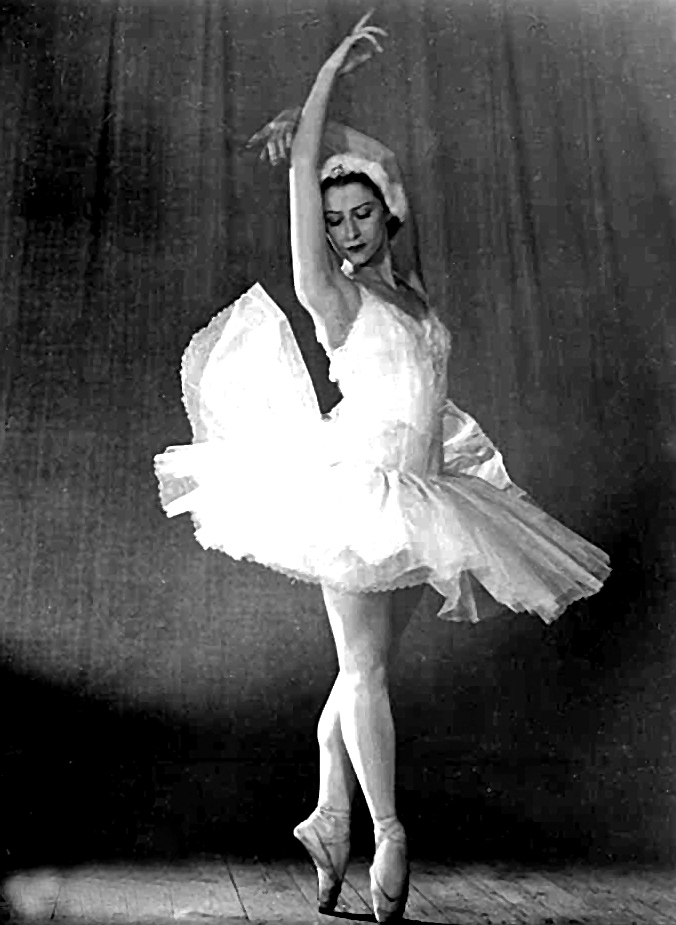
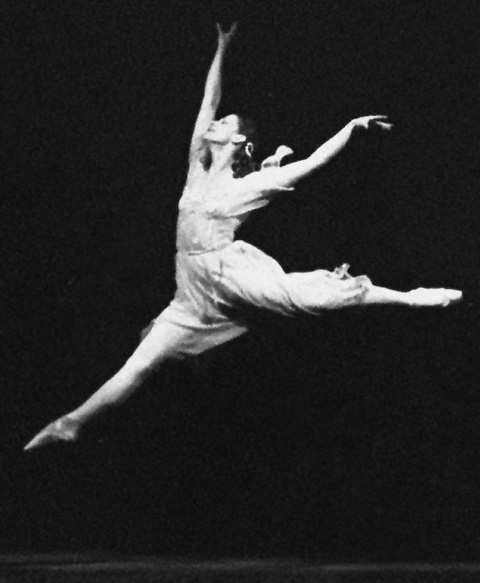
Plisetskaya developed an early passion for ballet and trained at one of Moscow's leading schools before joining the Bolshoi, where she rose to principal positions and created roles that showcased a combination of athleticism and theatricality. Her dancing was noted for sharply articulated footwork, high jumps, expressive port de bras and a stage charisma that made narrative roles especially memorable. Over a performing life that spanned many decades she balanced classical repertoire with contemporary works, proving adaptable to new choreographic ideas while maintaining classical line and musicality.
Collaborations, repertoire and personal life
She worked with choreographers and composers on new pieces and was closely associated with a number of signature works created for her. Her collaborations included inventive stage projects that combined music, modern choreography and a strong dramatic concept. Off stage she married the composer and pianist Rodion Shchedrin in 1958; he is often described as both a composer and a pianist. Their partnership influenced some of the music and projects she performed.
Later roles, directing and screen work
Beyond dancing, Plisetskaya taught, staged productions, directed companies and appeared in films and televised performances that extended her audience. She choreographed and reinterpreted classical works for contemporary stages, and she remained an artistic presence into later life, often called upon to advise and represent the art form in cultural forums. Her activities helped keep ballet in public discussion during changing political and artistic climates.
Legacy and distinctions
Plisetskaya's legacy rests on a mix of technical achievement, theatrical intelligence and resilience. She received numerous honors and state awards in recognition of her contributions to dance and to cultural life more broadly. Today she is remembered as a defining performer of Soviet-era ballet whose influence continues through recordings, productions she shaped and the dancers she inspired.
- Nationality and origin: Russian
- Profession: ballerina, choreographer, director
- Birthplace: Moscow
- Active during the Soviet Union period
Questions and answers
Q: Who was Maya Plisetskaya?
A: Maya Plisetskaya was a Russian ballerina, choreographer, director and actress.
Q: When was Maya Plisetskaya born?
A: Maya Plisetskaya was born on November 20, 1925.
Q: Where was Maya Plisetskaya born?
A: Maya Plisetskaya was born in Moscow, Soviet Union.
Q: Was Maya Plisetskaya interested in ballet from a young age?
A: Yes, Maya Plisetskaya gained an interest in ballet at a young age.
Q: Was Maya Plisetskaya active during the Soviet period?
A: Yes, Maya Plisetskaya was active during the Soviet period.
Q: Was Maya Plisetskaya considered one of the best ballerinas of all time?
A: Yes, Maya Plisetskaya has been called by some, such as Nikita Khrushchev, one of the best ballerinas of all time.
Q: Who was Maya Plisetskaya married to?
A: Maya Plisetskaya was married to composer and pianist Rodion Shchedrin from 1958 until her death.
Author
AlegsaOnline.com Maya Plisetskaya: Soviet ballerina, choreographer and cultural icon Leandro Alegsa
URL: https://en.alegsaonline.com/art/126529