
Maximilian Schell: Austrian-Swiss actor and Academy Award winner
Austrian-Swiss actor (1930–2014) celebrated for his Academy Award-winning performance in Judgment at Nuremberg (1961). He worked across film, television and stage as an actor, director and producer.
Maximilian Schell (8 December 1930 – 1 February 2014) was a prominent figure in postwar European and international cinema. He built a reputation as a versatile performer who moved freely between German- and English-language projects, and later broadened his career to include writing, directing and producing. His work earned both popular recognition and critical honors across several decades.
Image gallery
7 Images


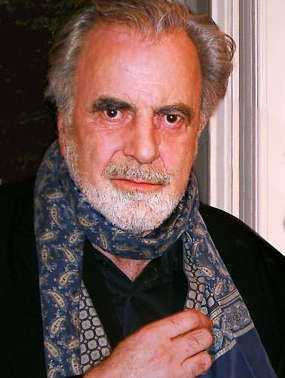
Overview
Schell is best known for the performance that brought him the Academy Award for Best Actor in 1961. That accolade followed his role in the courtroom drama Judgment at Nuremberg, a film that remains one of the most remembered screen depictions of the postwar trials. Beyond that high point, Schell sustained an international presence in film and television well into the 21st century.
Career highlights and notable roles
Over the course of his career, Schell appeared in mainstream Hollywood productions, independent European films and television miniseries. He was cast in historical dramas, thrillers and character pieces, often portraying complex, morally ambiguous figures. Popular titles associated with him include Deep Impact and the caper film The Brothers Bloom, and he also took part in television projects such as portrayals in biographical and historical dramas.
Selected film and television
- Judgment at Nuremberg — breakthrough, Academy Award-winning role (see film)
- The Man in the Glass Booth — stage and screen work that reinforced his range
- Deep Impact — one of several Hollywood appearances
- The Brothers Bloom — later-career supporting role
- Stalin and Abraham — television and miniseries roles
Style, contributions and recognition
Schell was praised for the intellectual seriousness he brought to parts and for a restrained intensity rather than melodramatic flourishes. His performances often emphasized psychological nuance and ethical conflict, which suited the historical dramas and adaptations that formed a substantial part of his oeuvre. Aside from his Academy Award win, he received nominations and other industry recognitions, and he contributed to filmmaking behind the camera as a director and producer.
Personal background and legacy
Born in 1930, Schell maintained a cross-border cultural identity that linked central Europe and the English-speaking world; sources describe him as both Austrian and Swiss in different contexts. His family included other actors, most notably his sister Maria Schell, who also had an international career. Maximilian Schell died in 2014, and he is remembered for a body of work that combined stage-trained discipline with a willingness to take on challenging historical material.
Questions and answers
Q: Who was Maximilian Schell?
A: Maximilian Schell was an Austrian-Swiss actor who also worked as a writer, director and producer for some movies.
Q: What was Maximilian Schell's most significant achievement as an actor?
A: Maximilian Schell won the Academy Award for Best Actor for his role in Judgment at Nuremberg in 1961.
Q: Was Maximilian Schell ever nominated for a Golden Globe Award?
A: Yes, Maximilian Schell was nominated for a Golden Globe Award for his role in Stalin.
Q: In what other movies did Maximilian Schell appear?
A: Maximilian Schell appeared in Abraham, Deep Impact, Coast to Coast, and The Brothers Bloom.
Q: Did Maximilian Schell have any siblings?
A: Yes, Maximilian Schell's sister was the actress Maria Schell.
Q: What was Maximilian Schell's birthdate and when did he pass away?
A: Maximilian Schell was born on December 8, 1930, and he passed away on February 1, 2014.
Q: What nationality was Maximilian Schell?
A: Maximilian Schell was of Austrian-Swiss nationality.
Author
AlegsaOnline.com Maximilian Schell: Austrian-Swiss actor and Academy Award winner Leandro Alegsa
URL: https://en.alegsaonline.com/art/126495