
Matthew Boulton: Industrialist, Manufacturer, and Partner of James Watt
Matthew Boulton (1728–1809) was a Birmingham manufacturer who modernized production at the Soho Manufactory, partnered with James Watt to commercialize steam engines, and reformed British coinage with the Soho Mint.
Overview
Matthew Boulton (3 September 1728 – 17 August 1809) was an English manufacturer and entrepreneur whose enterprises helped shape the early Industrial Revolution. Born in Birmingham, he combined technical interest, financial skill and showmanship to expand a small metalworking business into the influential Soho enterprise. He is best known for his commercial partnership with the Scottish engineer James Watt and for founding the Soho Mint, which produced large quantities of high-quality coinage.
Image gallery
10 Images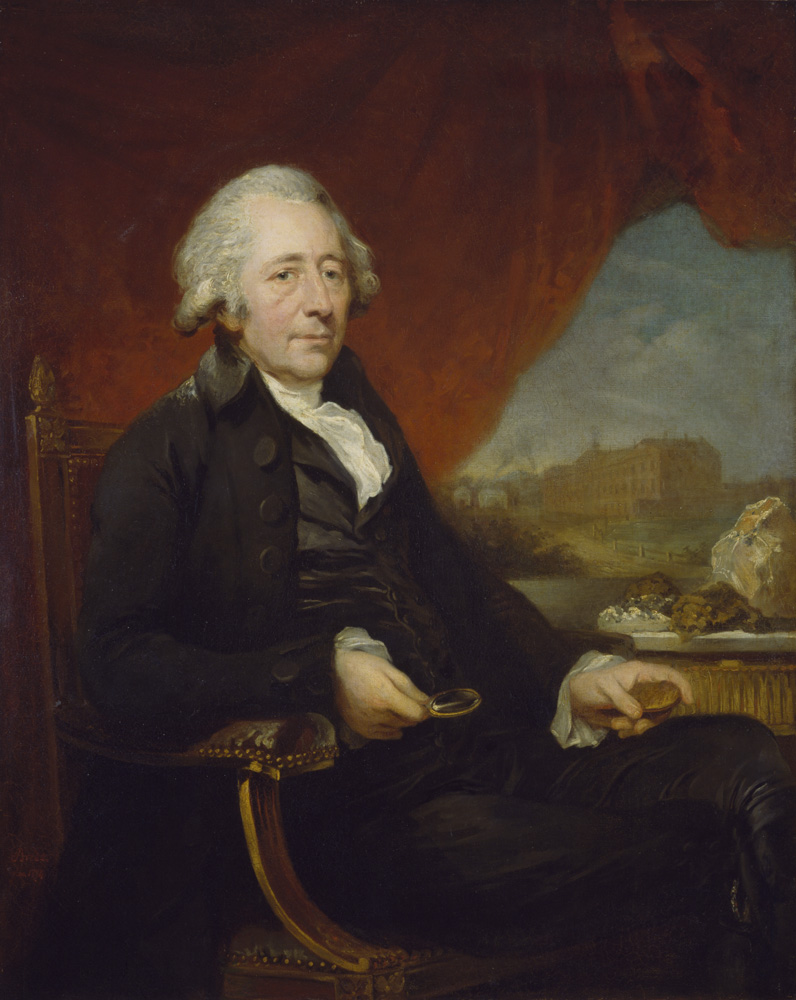



Soho Manufactory and industrial practice
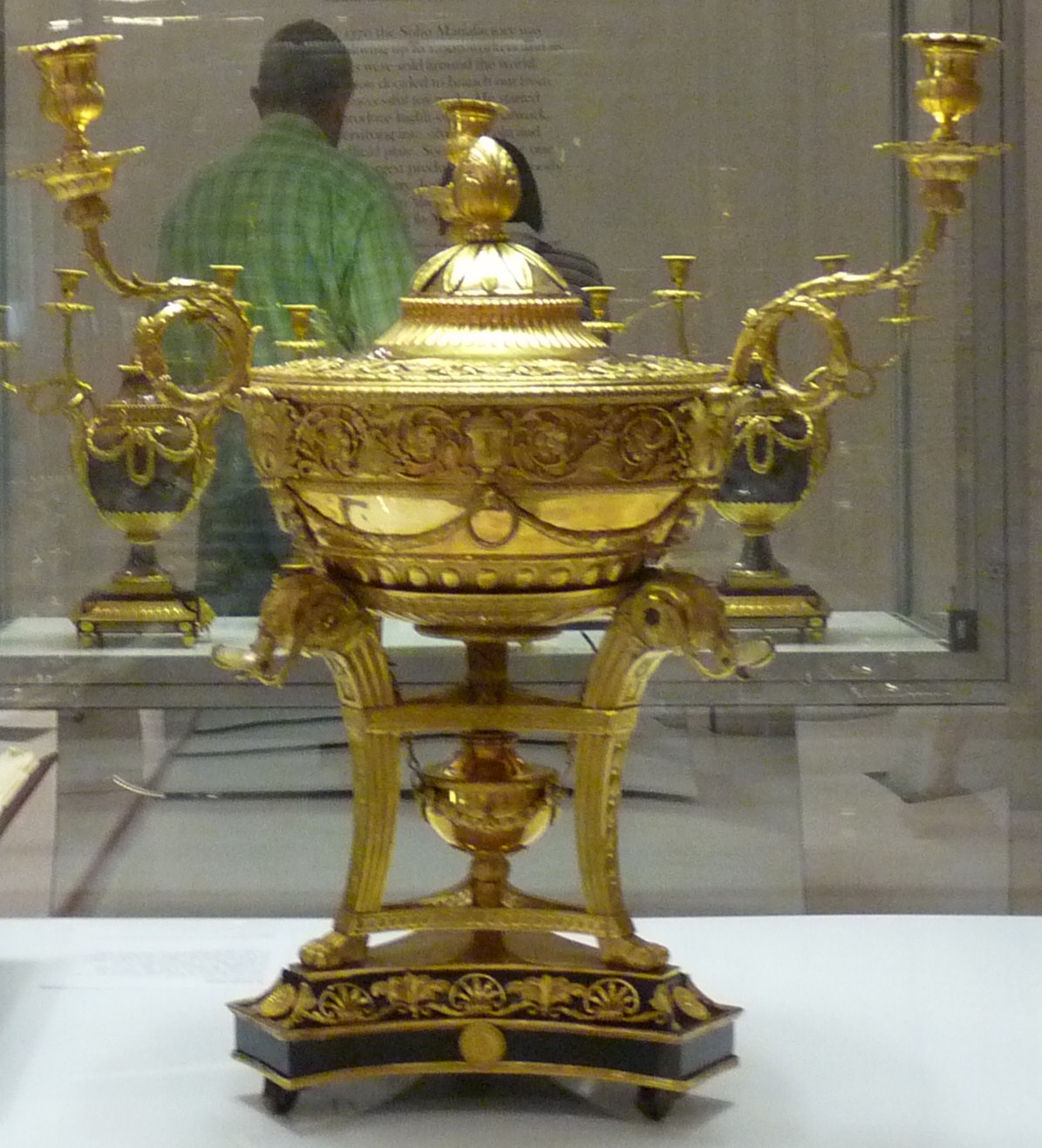
Boulton's principal factory, often referred to as the Soho Manufactory, became a model for organized, large-scale production. There he brought together metalworkers, die-sinkers, toolmakers and designers, pioneered division of labor and applied improved tooling and steam power to increase output and consistency. The manufactory produced items ranging from buckles and buttons to scientific instruments and luxury metal goods destined for both domestic markets and export.
Partnership with James Watt and steam engines
When Boulton became involved with James Watt he provided business acumen, capital and manufacturing capability to develop and sell an improved steam engine. After accepting a partner's stake in Watt's patent as settlement of a debt, Boulton successfully petitioned Parliament for an extension of the patent, enabling the firm to exploit Watt's design. Under the name Boulton & Watt, the company installed hundreds of engines first in mines and then in textile factories and mills, helping to accelerate mechanization of production across Britain and abroad.
Soho Mint and coinage reform
Boulton turned his attention to the quality of British coinage at a time when small change was often clipped or counterfeit. At the Soho Mint he adapted steam-driven presses and impressed dies to strike coins with clear detail and consistent weight. The mint produced the large copper pieces known as "cartwheels" and resumed large-scale copper coin production in 1797. These coins were deliberately difficult to counterfeit and the minting methods influenced coin production for decades; copper pennies of the general style continued in circulation until decimalisation.
Associations, ideas and influence
Boulton was a prominent member of the Birmingham-based Lunar Society, an informal circle of industrialists, natural philosophers and intellectuals who met monthly near the full moon. Through that group he exchanged ideas with figures such as Erasmus Darwin, Josiah Wedgwood and Joseph Priestley. The society discussed advances in chemistry, engineering, horticulture and manufacturing that fed into wider changes often grouped under the term Industrial Revolution.
Legacy and notable facts
- Boulton's business methods emphasized skilled labor, precise tooling and the practical application of scientific ideas.
- The partnership with Watt commercialized an engine that could be widely applied in mining, textiles and other industries, accelerating mechanisation of factories and mills.
- The Soho Mint demonstrated how industrial methods could improve the security and uniformity of national coinage.
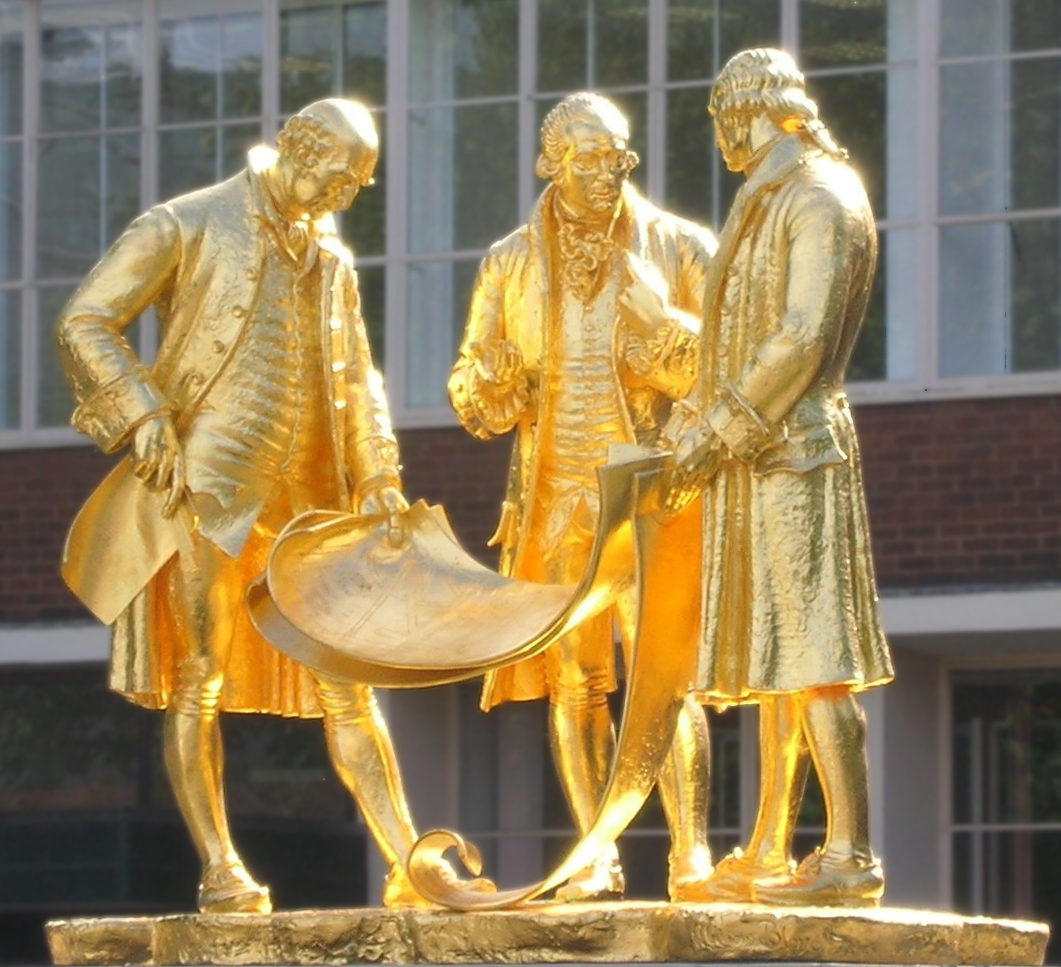
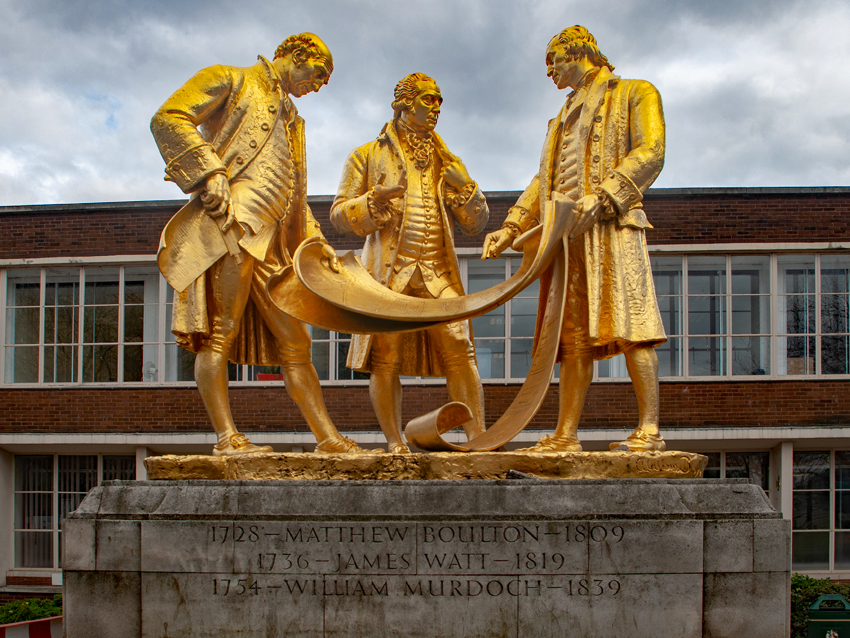
- Though Boulton retired from active management in 1800, he continued to direct the mint until his death in 1809; his contribution to industrial manufacturing is commemorated in modern honours, including a commemorative depiction with Watt on the Bank of England's note series featuring the pair.
Matthew Boulton combined entrepreneurial drive with a belief in the usefulness of applied science. His factories and mint helped to professionalize production techniques and his collaborations linked inventive engineering to wider markets. For readers seeking more detail on the firm, its engines and its historical context, consult contemporary accounts and studies that explore the technical, commercial and social dimensions of Boulton's work and the networks, such as the Lunar Society, that supported it. Further reading and digitized primary sources are available through specialist collections and historical archives (regional histories and institutional catalogues).
For introductions to the central figures and technologies associated with Boulton, see resources on James Watt, the output and installations of Boulton & Watt, and the broader effects on manufacturing and transport explored by historians of the early industrial age. Visitors interested in material culture will also find examples of Soho Mint products in numismatic collections and museum displays.
This article summarizes widely reported aspects of Matthew Boulton's life and work, including his manufactories, partnerships and influence on coinage and industry.
Questions and answers
Q: Who was Matthew Boulton?
A: Matthew Boulton was an English manufacturer and the business partner of Scottish engineer James Watt. He is known for installing hundreds of Boulton & Watt steam engines in the last quarter of the 18th century, as well as founding the Soho Mint and improving Britain's coinage.
Q: What did he do with James Watt?
A: With James Watt, Matthew Boulton installed hundreds of Boulton & Watt steam engines in Britain and abroad, which made possible the mechanisation of factories and mills.
Q: When was he born?
A: Matthew Boulton was born on 3 September 1728 in Birmingham, England.
Q: What organisation did he belong to?
A: Matthew Boulon belonged to a group called the Lunar Society, which included members such as James Watt, Erasmus Darwin, Josiah Wedgwood and Joseph Priestley who met each month near the full moon to develop concepts that would later lay the groundwork for the Industrial Revolution.
Q: What did he do at his Soho Manufactory?
A: At his Soho Manufactory near Birmingham, Matthew Boulton expanded his father's small metal products business considerably by applying modern techniques to minting coins and supplying up-to-date equipment to The Royal Mint.
Q: How long did Parliament extend Watt's patent for?
A: Parliament extended Watts' patent for an additional 17 years at Matthew Boultons' request. This enabled them to market their steam engine more widely.
Q:What is his image on now?
A:Matthew Boultons' image appears alongside James Watts' on The Bank of England's new Series F £50 note
Author
AlegsaOnline.com Matthew Boulton: Industrialist, Manufacturer, and Partner of James Watt Leandro Alegsa
URL: https://en.alegsaonline.com/art/126399