
Mathilde Kschessinska — Russian prima ballerina assoluta (1872–1971)
Mathilde Kschessinska was a Russian prima ballerina assoluta of Polish descent, noted for her virtuosity, ties to the Romanovs, and later work as a teacher and chronicler of Imperial ballet traditions in exile.
Overview
Mathilde Marie Feliksovna Kschessinskaya (1872–1971) was one of the leading figures of late Imperial Russian ballet. Born into a theatrical family of Polish origin, she rose through the Imperial Ballet School to become a prima ballerina assoluta at the Mariinsky (Imperial) Theatre in St. Petersburg. Her career spanned the last decades of the tsarist repertory, the disruptions of 1917, and many years abroad as a teacher and conservator of the pre‑revolutionary style. For concise biographical outlines and repertory notes see a general ballerina profile.
Image gallery
5 Images


Early life and training
Kschessinskaya was trained in the rigorous system of the Imperial Ballet School, which combined strict technique, expressive mime and attention to classical repertory. Her father, Feliks Krzesiński, and other family members were professionally involved in dance in St. Petersburg, providing an environment that encouraged early study and fast progress. Contemporary accounts record that she attracted attention at her graduation performance, an event often mentioned in reminiscences of the period about her graduation.
Rise to prominence
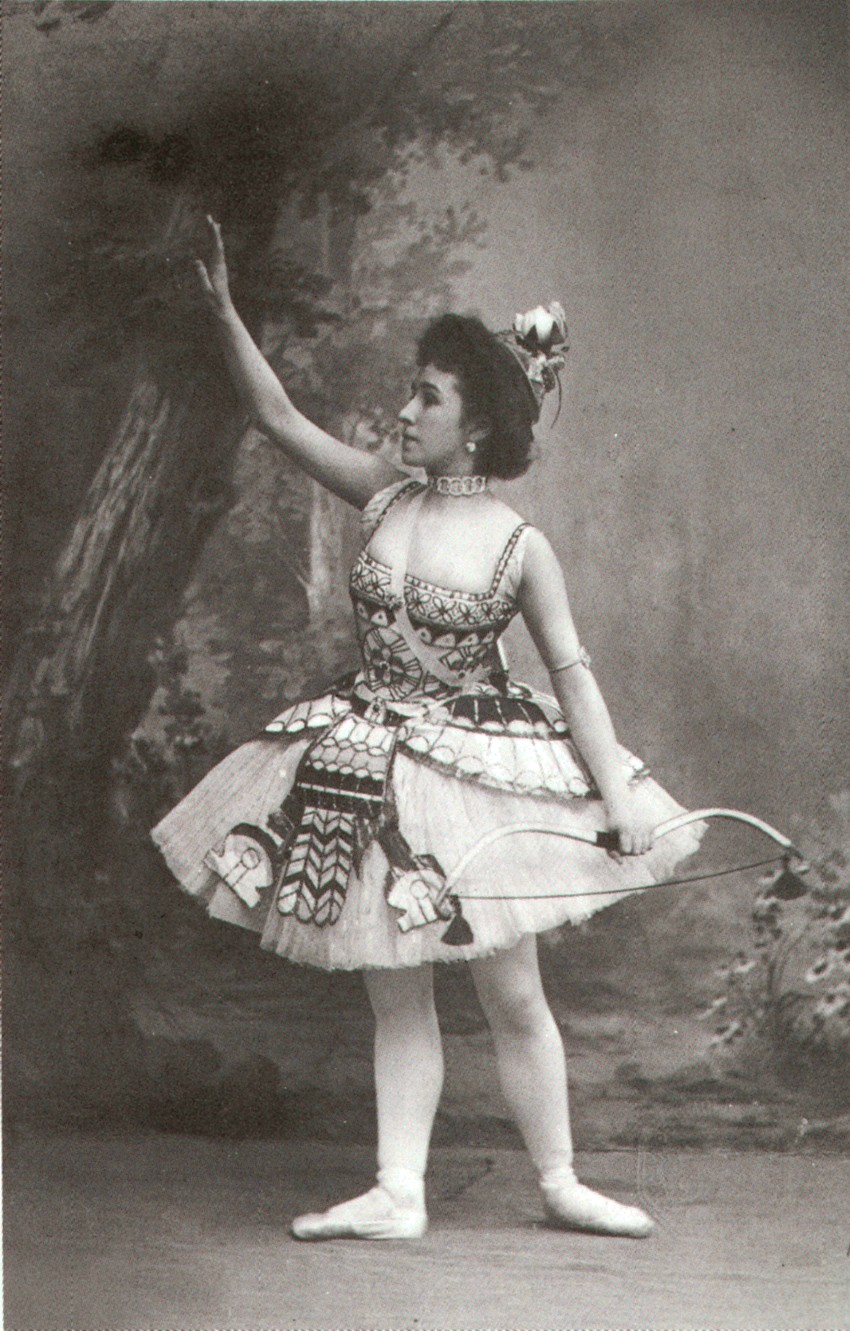
After joining the company attached to the Mariinsky Theatre, Kschessinskaya established herself through showy variations and dramatic roles that highlighted technical precision, sparkling batterie and a polished stage presence. She was promoted to the highest available rank at the Imperial Theatres, a status that reflected both artistic accomplishment and the patronage networks of the time. Critics and colleagues of the era commented on her control, musicality and ability to combine bravura technique with theatrical characterization.
Artistic style and repertoire
Her repertory included classic solo variations, pas de deux and character dances typical of the late‑19th and early‑20th century Imperial stage. Observers noted exact footwork, a refined port de bras and a stage manner that could suggest aristocratic poise or heightened drama. She was also remembered as a demanding teacher in later years, insisting on the discipline and clarity that had marked her own training.
Connections to the Romanovs
Kschessinskaya's public profile was affected by close social ties to members of the imperial family. She became closely associated with the future Emperor Nicholas II while he was still a grand duke; their relationship began in the early 1890s and lasted for several years, a matter treated repeatedly in biographies and memoirs of the period on accounts of the liaison. The association drew attention to her both in artistic circles and in society at large. Nicholas later married Princess Alix of Hesse‑Darmstadt, and the episode remains part of discussions of court life and culture during the reigns of Alexander III and his successor Nicholas II. More general studies of court circles provide broader context for these ties on the imperial court and for the era of Alexander III context of Alexander III's reign.
Later career, exile and title
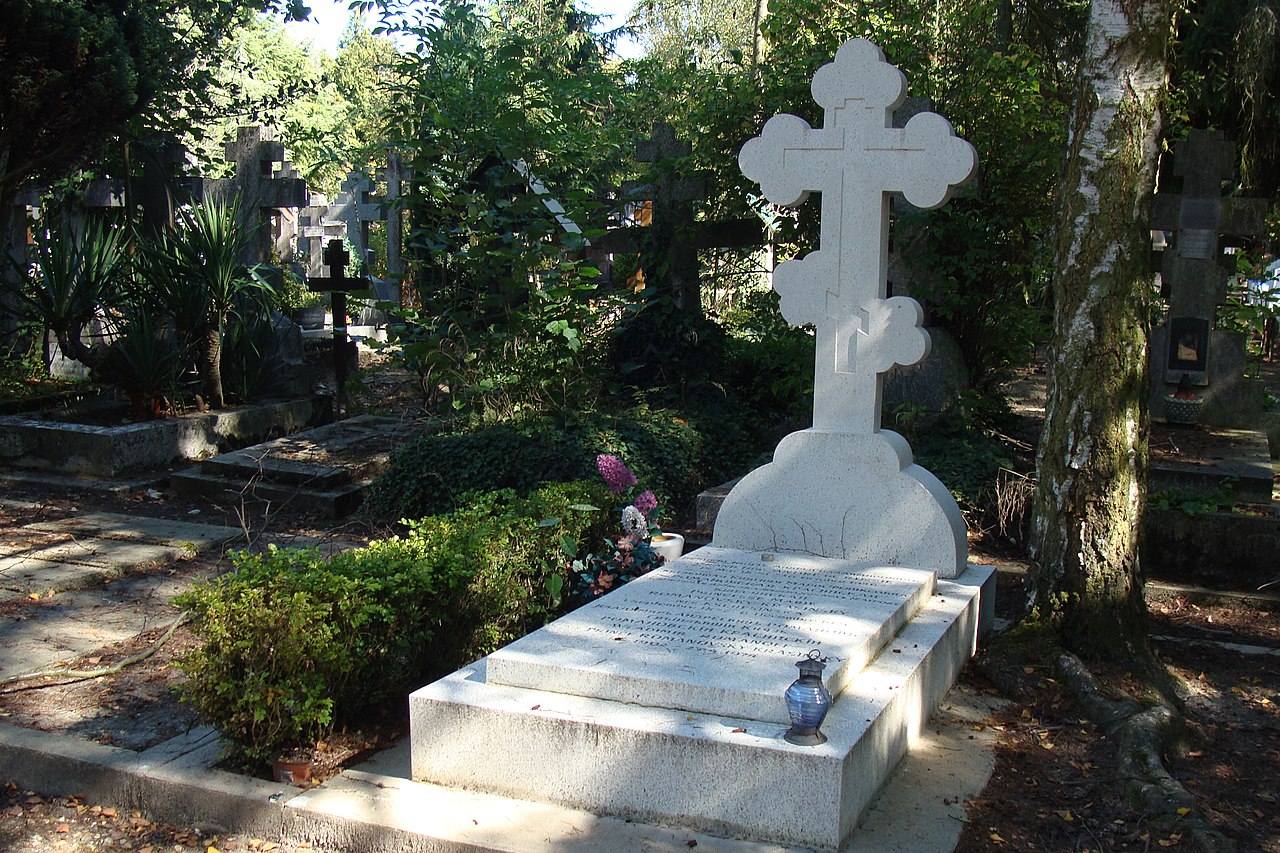
The revolutions and civil war that followed 1917 upended the Imperial theatres and led many artists to emigrate. Kschessinskaya left Russia and settled in Western Europe, becoming part of an émigré artistic community that tried to preserve the methods and repertory of the Imperial school. In 1921 she is recorded in some sources with the courtesy title Princess Romanova‑Krasinskaya, a reflection of the complex social rearrangements among émigré aristocrats and prominent cultural figures title note. She spent much of her later life in Paris, where she taught and maintained contacts with former colleagues.
Teaching, writings and legacy
In exile Kschessinskaya taught several generations of dancers, transmitting stylistic and technical elements of the Imperial system. She also participated in interviews and left autobiographical material that has been used by historians and dance scholars to reconstruct repertory practices and stage conventions of her time. Her influence extended through both direct teaching and through the memories preserved by students and chroniclers of the pre‑revolutionary theatre. Assessments of her career emphasize the combination of technical brilliance, theatrical intelligence and social visibility that made her a distinctive figure in the international story of ballet.
Significance
- Artistic rank: She achieved the highest rank within the Imperial company and was celebrated for both virtuosity and dramatic interpretation.
- Social impact: Her ties to members of the Romanov family made her life an object of public curiosity and historical interest.
- Educational role: As a teacher in exile she helped preserve the techniques and repertory of the Imperial tradition for later generations.
Together, these aspects make Mathilde Kschessinskaya an important figure for understanding the culture of the Imperial stage, the social entanglements of artists and patrons in late tsarist Russia, and the diffusion of Russian ballet technique after the Revolution. For further reading and archival references, researchers consult dedicated biographies, memoirs and studies of the Mariinsky and its artists in the transitional period around 1917.
Questions and answers
Q: Who was Mathilde Marie Feliksovna Kschessinskaya?
A: Mathilde Marie Feliksovna Kschessinskaya was a Russian ballerina from a family of Polish origin, who eventually became the highest-ranked ballerina, that of prima ballerina assoluta.
Q: What was Mathilde Marie Feliksovna Kschessinskaya's family background in ballet?
A: Mathilde's father Feliks Krzesiński and her brother both danced in St. Petersburg, indicating that she came from a family with a background in ballet.
Q: What was Mathilde Marie Feliksovna Kschessinskaya's rank in the world of ballet?
A: Mathilde Marie Feliksovna Kschessinskaya attained the highest rank in the world of ballet, that of prima ballerina assoluta.
Q: Who was Nicholas II of Russia to Mathilde Kschessinskaya?
A: Nicholas II of Russia was a lover to Mathilde Kschessinskaya.
Q: When did Mathilde Kschessinskaya and Nicholas II of Russia's affair begin?
A: Mathilde Kschessinskaya and Nicholas II of Russia's affair began in 1890, when Nicholas was a grand duke and she was just seventeen.
Q: When did Nicholas II of Russia marry Princess Alix of Hesse-Darmstadt?
A: Nicholas II of Russia married Princess Alix of Hesse-Darmstadt in 1894, shortly after the death of his father, Tsar Alexander III.
Q: What was Mathilde Marie Feliksovna Kschessinskaya's other title?
A: Mathilde Marie Feliksovna Kschessinskaya was also known as Her Serene Highness Princess Romanova-Krasinskaya from 1921.
Author
AlegsaOnline.com Mathilde Kschessinska — Russian prima ballerina assoluta (1872–1971) Leandro Alegsa
URL: https://en.alegsaonline.com/art/126386