
Mary Todd Lincoln, First Lady of the United States (1818–1882)
Mary Todd Lincoln (1818–1882) was Abraham Lincoln's wife and First Lady during the Civil War, remembered for her political engagement, fashion, intense grief after the assassination, and later struggles with mental health.
Mary Ann Todd Lincoln (December 13, 1818 – July 16, 1882) was the wife of the sixteenth U.S. President, Abraham Lincoln, and served as First Lady of the United States from 1861 to 1865. She played a visible role in public life during the American Civil War and remains a figure of historical interest for her influence, personal tragedies, and contested legacy.
Image gallery
10 Images


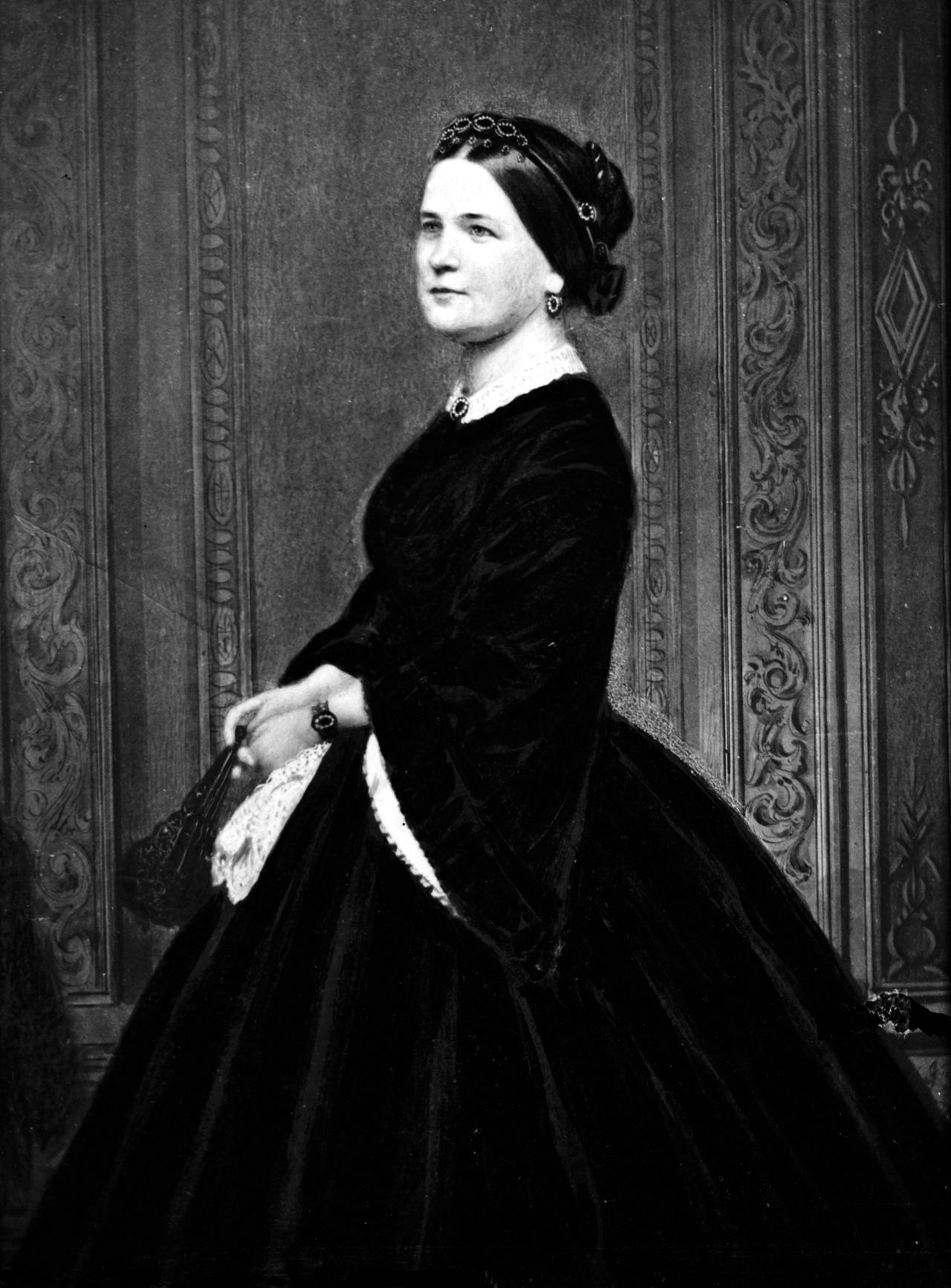


Early life and family
Born into a prominent Kentucky family, Mary Todd received a relatively extensive education for a woman of her era and moved in politically aware circles. Her family included both Union and Confederate sympathizers, a contrast that highlighted divisions across the nation and within her own kin during the 1860s. Her upbringing brought social polish and an understanding of political society that later shaped her role at Washington receptions and events.
Marriage, role, and public life
Mary married Abraham Lincoln in 1842 and they had four sons, though only one survived to old age. As First Lady she supervised White House social functions, advocated for improvements to the presidential residence, and used fashion and ceremony to project a dignified image for the presidency. Her tastes and expenses sometimes drew public criticism, especially in a wartime economy, and she confronted harsh press scrutiny and partisan attacks.
Civil War, loss, and later years
During the Civil War she supported her husband's efforts to preserve the Union and endured the strains of national crisis. The assassination of President Lincoln in 1865 profoundly affected her; she lived thereafter under the shadow of intense grief and public attention. In the years that followed she traveled to Europe, sought privacy, and struggled with recurring emotional distress amid financial and family difficulties.
Mental health, guardianship, and legacy
Later in life Mary Todd Lincoln experienced persistent mental and emotional problems which led, in 1875, to a legal proceeding in which her son had her declared legally incompetent and placed under guardianship. She challenged that ruling and eventually regained much of her autonomy. Historians now view her as a complex figure: politically engaged and socially influential, deeply affected by personal tragedy, and often mischaracterized by contemporary partisan commentary.
- Notable as First Lady during the Civil War and for her Southern roots within a Union administration.
- Remembered for her role in White House social life and for enduring intense personal loss.
- Subject of continued scholarly interest and portrayals in literature and film.
For more on her life and times see general biographies and collections of primary letters and documents related to the presidency and the Lincoln family.
Questions and answers
Q: Who was Mary Todd Lincoln?
A: Mary Todd Lincoln was the wife of the sixteenth President of the United States, Abraham Lincoln.
Q: When was Mary Todd Lincoln born?
A: Mary Todd Lincoln was born on December 13, 1818.
Q: When did Mary Todd Lincoln die?
A: Mary Todd Lincoln died on July 16, 1882.
Q: What was Mary Todd Lincoln's maiden name?
A: Mary Todd Lincoln's maiden name was Todd.
Q: How long was Mary Todd Lincoln the First Lady of the United States?
A: Mary Todd Lincoln was the First Lady of the United States from 1861 to 1865.
Q: What was the name of Mary Todd Lincoln's husband?
A: Mary Todd Lincoln's husband's name was Abraham Lincoln.
Q: What was the occupation of Mary Todd Lincoln's husband?
A: Mary Todd Lincoln's husband, Abraham Lincoln, was the sixteenth President of the United States.
Author
AlegsaOnline.com Mary Todd Lincoln, First Lady of the United States (1818–1882) Leandro Alegsa
URL: https://en.alegsaonline.com/art/126345