
Mary Robinson
Irish lawyer and politician; first woman President of Ireland (1990–1997) and later United Nations High Commissioner for Human Rights, noted for modernizing the presidency and human rights advocacy.
Overview
Mary Robinson (Irish: Máire Mhic Róibín, born 21 May 1944) is an Irish lawyer, former politician and public advocate best known for being the first woman to serve as President of Ireland. Before the presidency she worked as an academic and barrister and was a long-serving member of the upper house, the Seanad. Her election to the presidency in 1990 marked a turning point in Irish public life and helped broaden the office's focus toward social issues and international human rights.
Image gallery
10 Images




Early life and political rise
Robinson trained in law and combined practice with teaching and public service. She entered national politics in the late 1960s and remained active in legislative and civic affairs for two decades. During this period she developed a reputation for liberal reform, championing women's rights, legal modernisation and civil liberties. Her years in the upper parliamentary chamber provided legislative experience and public visibility that set the stage for a successful presidential bid.
Presidency (1990–1997)
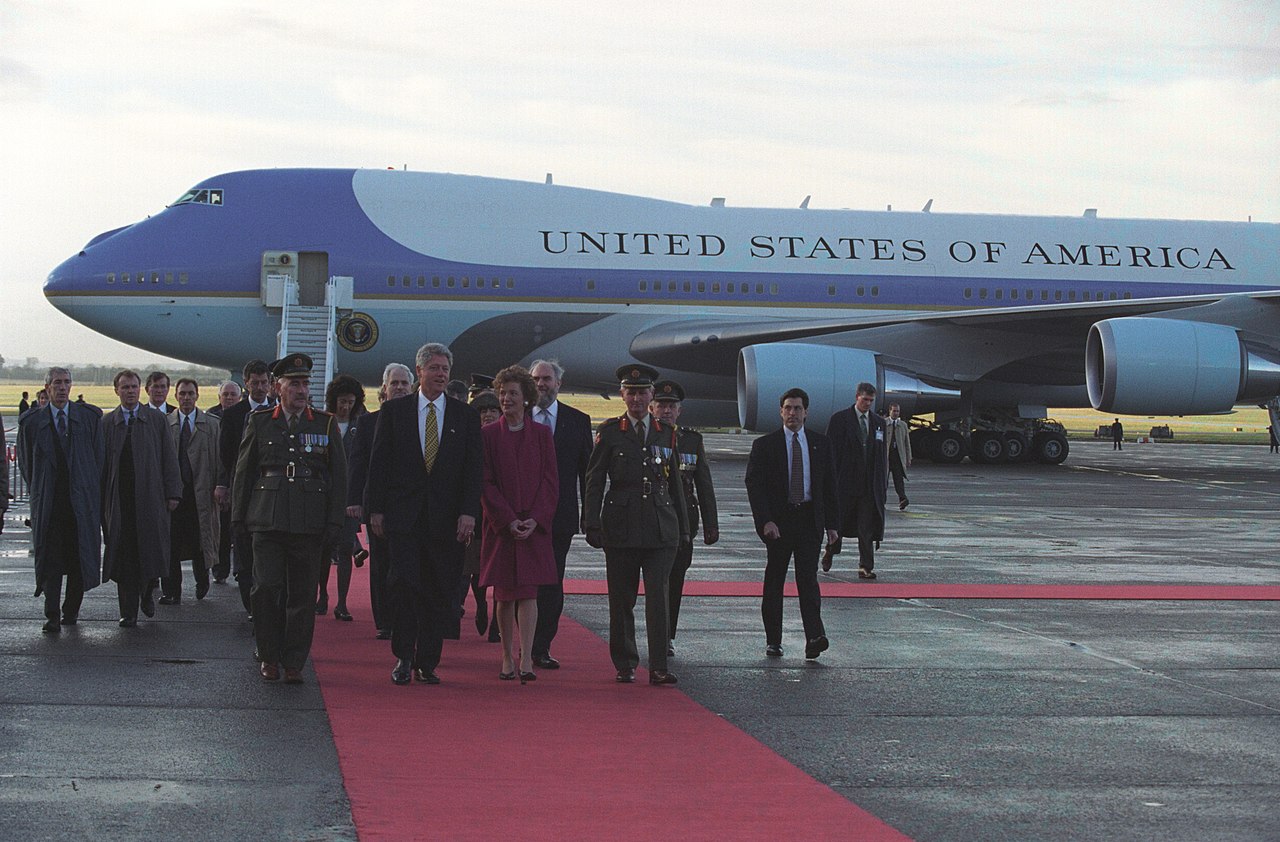
In the 1990 presidential contest Robinson ran as an independent and defeated several established party figures, including candidates affiliated with Fianna Fáil and Fine Gael. Her style in Áras an Uachtaráin (the presidential residence) emphasized accessibility, engagement with social issues and an outward-looking Ireland. She used the office to highlight inequality, human rights and Ireland's changing social landscape, and she is widely credited with modernising the tone and public expectations of the presidency.
International human rights career
Robinson left the presidency in 1997 to take a senior post with the United Nations. She served as the UN's principal human rights official, the High Commissioner for Human Rights, where she worked on strengthening international attention to abuses and on integrating human-rights norms into development and diplomacy. After her UN service she continued to work with non-governmental organisations and networks promoting humanitarian and development causes.
Roles, affiliations and advocacy
- Longtime public representative and law professional, with service in the Seanad.
- First female President of Ireland and a high-profile national figure in the 1990s (the presidency).
- United Nations human-rights chief and international advocate (UN, Office of the High Commissioner).
- Later associations include roles with international NGOs and jurist bodies; she has been linked with organisations such as Oxfam and the International Commission of Jurists, and she has supported human-rights documents including the Yogyakarta Principles.
Controversies and public responses
Like many public figures who operate on a global stage, Robinson's record includes disputed episodes that attracted media attention. One prominent controversy began in 2018 when she appeared in a Dubai photograph with a member of a ruling family and publicly stated that the person appeared to be “safe and well.” Subsequent reporting and investigations raised doubts about those assurances; in 2021 she publicly acknowledged that she and others had been misled about the circumstances and later described having been convinced by information that she now regarded as mistaken. The episode prompted debate about the responsibilities of public advocates when commenting on sensitive, overseas human-rights cases.
Legacy
Mary Robinson is remembered for opening the Irish presidency to a wider public role and for bringing a human-rights perspective to high office. Her shift from national politics to international human-rights work exemplifies the trajectory of a politician who moved from domestic reform to global advocacy. Assessments of her career note both significant achievements in raising awareness of rights and development issues and the complexities that arise when former national leaders take on diplomatic and testimonial roles in contentious international situations.
For more detail on specific institutions and events related to her career, see institutional references and archival material from relevant organisations: the United Nations, the High Commissioner’s office, the International Commission of Jurists, and materials related to the President of Ireland and the Seanad. Historical context for the Irish party system and her 1990 campaign can be found through contemporary accounts of Fianna Fáil and Fine Gael.
Questions and answers
Q: Who was the first female President of Ireland?
A: Mary Robinson was the first female President of Ireland, serving from 1990 to 1997.
Q: How did Mary Robinson become president?
A: Mary Robinson defeated Fianna Fáil's Brian Lenihan and Fine Gael's Austin Currie in the 1990 presidential election, the first time Fianna Fáil had lost a presidential election.
Q: What happened after her term as president ended?
A: After her term as president ended, she resigned four months ahead of schedule to begin a five-year term in the United Nations as United Nations High Commissioner for Refugees.
Q: What did she do in 2002?
A: In 2002 Robinson became Honorary President of Oxfam International.
Q: What is the Yogyakarta Principles?
A: The Yogyakarta Principles are an international set of principles relating to human rights that were adopted by the International Commission on Jurists in 2006. Mary Robinson signed them when they were adopted.
Q: What was Mary Robinson involved with in 2018?
A: In 2018, Mary Robinson became embroiled in controversy surrounding "The Missing Princess" (Latifa), who is imprisoned daughter of Sheikh Maktoum, ruler of Dubai. She attended a lunch hosted by Latifa's stepmother, Princess Haya and appeared in staged photographs with Princess Latifa claiming that Latifa was being cared for by her loving family.
Q: What did she say about this situation more recently?
A: In February 2021, Mary Robinson retracted her former statement about this situation during a BBC Panorama broadcast claiming that herself and Haya had both been misled and had been spun convincing and elaborate lies about Princess Latifa's alleged medical 'bipolar' history and condition.
Author
AlegsaOnline.com Mary Robinson Leandro Alegsa
URL: https://en.alegsaonline.com/art/126339