
Mary Brewster (c.1569–1627): Mayflower passenger and early Plymouth settler
Mary Brewster was a Mayflower passenger who traveled from England to the New World, lived in Leiden, and helped establish Plymouth Colony; little is known of her early life but she is remembered among the first Pilgrim settlers.
Overview
Mary Brewster was one of the passengers on the Mayflower in 1620 who left England as part of a small congregation seeking religious freedom in the New World. Precise details of her birth—surname, place and exact year—are not firmly established, but she is commonly placed as born around 1569. She married William Brewster around 1592 and accompanied him through a period of migration and resettlement that culminated in the establishment of an early English colony in North America.
Image gallery
1 Image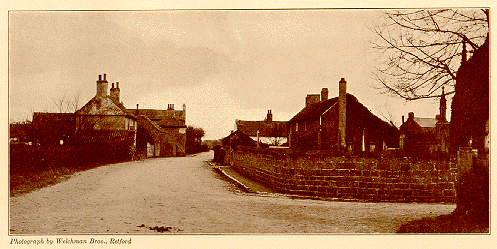
Background and family
Mary married William Brewster, a leader among the Separatist congregation that later settled in Leiden before crossing the Atlantic. Contemporary records indicate the couple had six children, and William's public role as an elder and advisor in the emigrant community shaped much of their later life. Because records from the late 16th century are incomplete, modern accounts treat many personal details about Mary cautiously and rely on passenger lists, wills and colonial records for information.
Life before and during the voyage
Before embarking for North America, the Brewsters lived for several years in the Netherlands, where a number of English Separatists sought refuge. In 1620 Mary joined the ocean crossing aboard the Mayflower. She survived the colony's first brutal winter of 1620–1621, a period in which roughly half the original settlers perished. By the autumn of 1621 she was among the relatively small group of women who attended the harvest celebration often remembered as the "first Thanksgiving" (first Thanksgiving) alongside Native American allies and fellow colonists.
Role in Plymouth Colony
In the new settlement at Plymouth Colony, Mary Brewster lived as part of a frontier household where daily life required adaptability and shared labor. While direct written accounts of her personal activities are scarce, women in the colony typically managed domestic tasks, cared for children, prepared food, and supported communal efforts to secure shelter and supplies. Her husband’s leadership status would have placed the Brewster household at the center of community affairs.
Notable facts
- Mary is remembered primarily through her association with the Mayflower voyage and as the wife of the prominent elder William Brewster.
- She experienced migration from England to Leiden and then across the Atlantic to the New World, a path shared by several Separatist families.
- Mary was among the survivors who attended the colony’s 1621 harvest celebration often cited as the first Thanksgiving.
- Her death is recorded in 1627 in the records of Plymouth Colony, though few personal documents authored by her have survived.
Legacy
Mary Brewster’s historical significance rests less on documented personal writings and more on her place within the narrative of the early Pilgrim community. As a migrant woman who endured the Atlantic crossing and the hardships of the colony’s founding years, she represents the ordinary but essential lives that shaped early English settlement in North America. Genealogists and local historians continue to note her as part of the Brewster family story and the wider story of the Plymouth settlement.
Questions and answers
Q: Who was Mary Brewster?
A: Mary Brewster was a passenger on the Mayflower when it sailed from England to the New World.
Q: When was Mary Brewster born?
A: The exact birthdate of Mary Brewster is not known with certainty, but she was probably born around 1569 in England.
Q: Who did Mary Brewster marry and how many children did she have?
A: Mary Brewster married William Brewster about 1592 and bore him six children.
Q: Where did Mary Brewster live before emigrating to North America with her family?
A: Mary Brewster lived in The Netherlands for several years before emigrating to North America with her family.
Q: Did Mary Brewster survive her first harsh winter in the New World?
A: Yes, Mary Brewster survived her first harsh winter in the New World.
Q: Was Mary Brewster one of the women who observed the first Thanksgiving?
A: Yes, Mary Brewster was one of the four women still alive in 1621 to observe the first Thanksgiving.
Q: Where and when did Mary Brewster die?
A: Mary Brewster died in Plymouth Colony in 1627.
Author
AlegsaOnline.com Mary Brewster (c.1569–1627): Mayflower passenger and early Plymouth settler Leandro Alegsa
URL: https://en.alegsaonline.com/art/126304