
Martin Carthy: English Folk Singer, Guitarist and Interpreter of Traditional Song
Martin Carthy, MBE, is a leading figure of the British folk revival, noted for inventive guitar tunings (notably DADGAD), authoritative arrangements of traditional English songs and wide influence.
Martin Carthy is an English folk singer and guitarist who played a central role in the British folk revival from the 1960s onward. Celebrated for clear, expressive singing and a distinctive approach to the acoustic guitar, Carthy brought traditional ballads and regional tunes into contemporary concert life. For an overview of his career and recordings see Martin Carthy resources.
Image gallery
3 Images

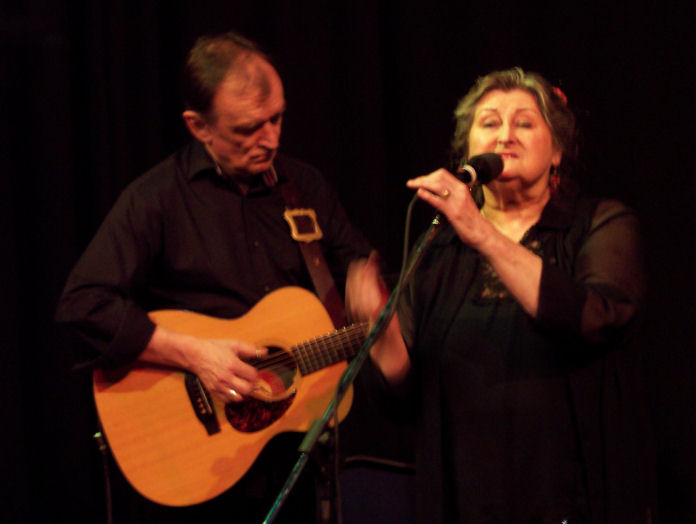
Early career and background
Carthy emerged in the folk clubs and university scenes that renewed interest in British traditional music in the postwar decades. Rather than creating pop-style songs, he specialised in collecting, researching and arranging material from oral tradition—ballads, sea songs, laments and dance numbers—presenting them with an emphasis on narrative and vocal clarity. Biographical and contextual entries are collected at biography entries.
Musical style and technique
Carthy is widely associated with alternate guitar tunings and inventive accompaniment. He helped popularise the DADGAD tuning in British folk practice and developed rhythmic and modal approaches that give long-established songs new textures without altering their essential character. Technical discussions of his methods and tunings can be found at technical notes.
Notable songs and influence
Several of Carthy's arrangements have had impact beyond the folk scene. His version of "Scarborough Fair" is famously linked to Paul Simon's early exposure to the tune and to the Simon & Garfunkel recording; this connection is discussed in many sources, for example further reading. Musicians such as Richard Thompson and others in the folk-rock generation have cited Carthy's singing and arrangements as formative.
Collaborations and ensembles
Across a long career Carthy has worked with prominent players and ensembles in the folk world. He has appeared in duo and ensemble formats, often combining scholarly interest in song variants with collaborative performance. Recordings and selected discography entries are listed at discography.
Contributions and recognition
Carthy's contribution lies in cultural stewardship: researching variant texts, reviving neglected songs, and demonstrating how traditional material can be arranged for modern audiences. He has received formal honours for services to folk music, including an MBE, and has been recognised by the folk community for his influence and lifetime achievement. Critical perspectives and essays are available at analysis.
Legacy and resources
As a performer, researcher and teacher, Martin Carthy remains a key reference for singers, instrumentalists and scholars of English traditional music. New listeners are encouraged to explore recorded collections, interviews and annotated album notes to understand his approach. Helpful starting points include the resources and readings linked above, which offer discographies, technical notes, biographical summaries and critical essays.
Further reading and listening
- Introduction to selected albums and recommended tracks to hear Carthy’s range as a singer and accompanist.
- Interviews and liner notes that explain his song-collecting methods and arrangement choices.
- Indexes and oral-history projects that document the traditional texts he championed.
For comprehensive listings and curated material see Martin Carthy resources, technical discussion at technical notes, contextual essays at further reading, detailed biographies at biography entries, discography compilations at discography and scholarly analysis at analysis.
Questions and answers
Q: Who is Martin Carthy?
A: Martin Carthy is an English folk singer and guitarist who played a significant role in the renewed interest in British folk music in the 1960s.
Q: What did Martin Carthy inspire?
A: Martin Carthy has inspired other musicians such as Bob Dylan, Paul Simon, and Richard Thompson with his music.
Q: What is Martin Carthy famous for?
A: Martin Carthy is famous for being one of the most important people in English folk music.
Q: What is Martin Carthy's full name?
A: Martin Carthy's full name is Martin Carthy MBE.
Q: What is Martin Carthy's contribution to British folk music?
A: Martin Carthy's contribution to British folk music is seen as significant because he was one of the first performers in the renewed interest in British folk music in the 1960s.
Q: Who else is associated with English folk music?
A: Bob Dylan, Paul Simon, and Richard Thompson are also associated with English folk music, and they were inspired by Martin Carthy's music.
Q: What distinction has Martin Carthy received?
A: Martin Carthy has received an MBE, which stands for Member of the Most Excellent Order of the British Empire.
Author
AlegsaOnline.com Martin Carthy: English Folk Singer, Guitarist and Interpreter of Traditional Song Leandro Alegsa
URL: https://en.alegsaonline.com/art/126235