
Martha Washington: Life, role as presidential hostess, and legacy
Martha Dandridge Custis Washington (1731–1802), wife of George Washington, established precedents for the role of presidential hostess and managed the Mount Vernon estate; she is often regarded as the nation’s first First Lady.
Martha Dandridge Custis Washington (June 2, 1731 – May 2, 1802) was the wife of George Washington, the first President of the United States. Born into a Virginia planter family as Martha Dandridge, she became a wealthy widow before marrying Washington and is widely regarded, retrospectively, as the nation’s first First Lady. Her life combined household management, public hospitality, and careful protection of family interests.
Image gallery
10 Images
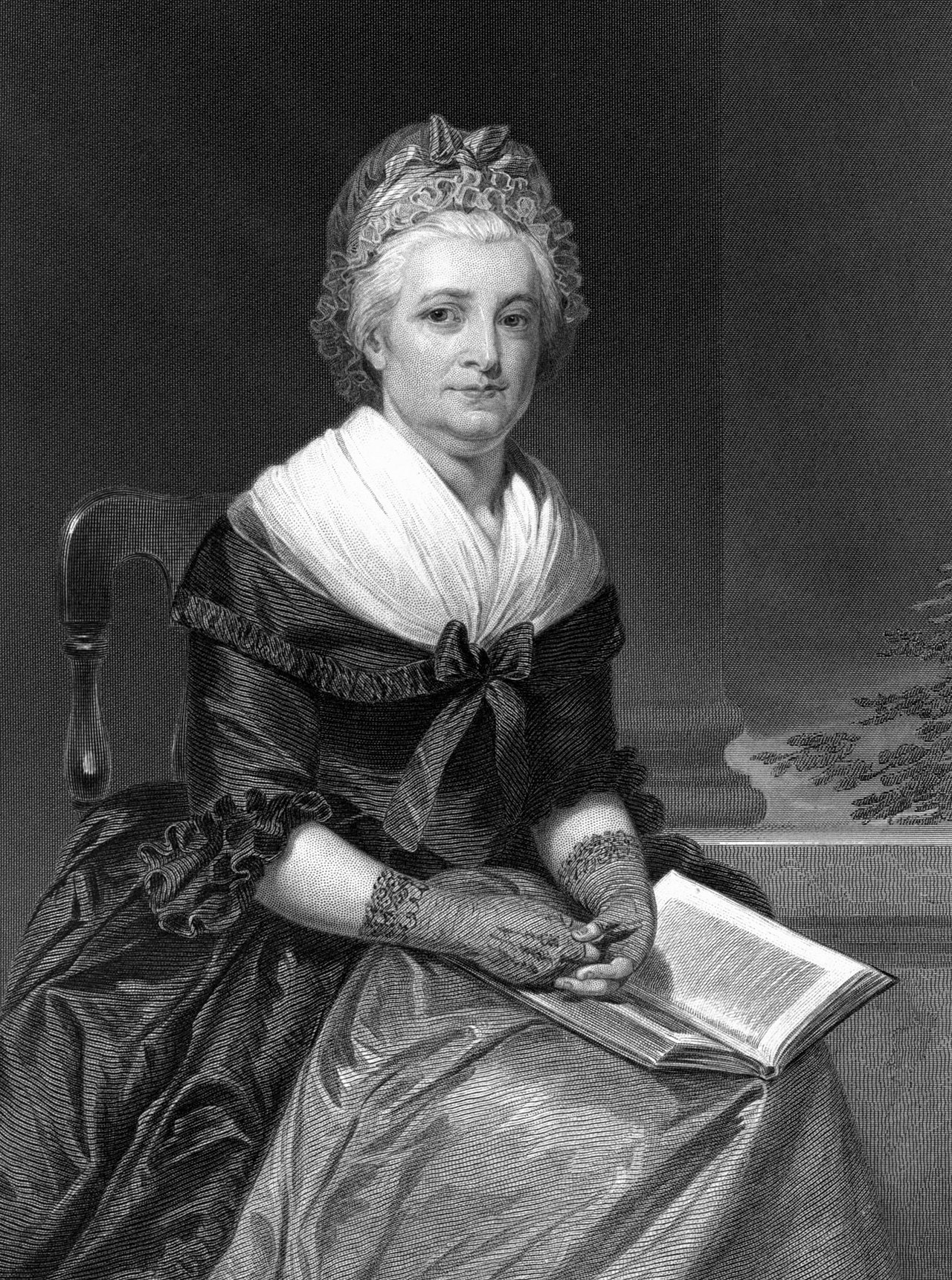


Early life and family
Raised on plantations in colonial Virginia, Martha married Daniel Parke Custis as a young woman and bore several children; two survived to adulthood. When Custis died she inherited a large estate and became one of the colony’s wealthier widows. In 1759 she married George Washington, bringing considerable property and social standing to the union. The couple did not have children together, but they raised members of the Custis family and managed the Mount Vernon estate as a household and agricultural enterprise.
Role during the Revolution
During the American Revolution Martha Washington supported the Continental Army through fund-raising, hosting officers, and visiting encampments on occasion. She maintained Mount Vernon and the family household while her husband served as commander-in-chief, and she played a visible role in sustaining morale among officers and their families. Contemporary observers credited her with dignity and composure in difficult times.
Presidential hostess and public image
As the president’s wife during Washington’s administrations, Martha established many social customs for the new federal capital. She presided over formal receptions, dinners, and levees that balanced public visibility with the era’s expectations of female propriety. Though the term "First Lady" was adopted later, her stewardship of official hospitality set precedents followed by successors.
Later life and legacy
After George Washington’s retirement and death, Martha returned to Mount Vernon, where she continued to oversee the estate until her own death in 1802. Her legacy is preserved in portraits, biographies, and the customs of the presidential household. Historians note both her influential public role and the complexities of plantation life and slavery that shaped the Washington household and its fortunes.
- Birth name: Martha Dandridge; dates: 1731–1802.
- Widow of Daniel Parke Custis before marrying George Washington.
- Credited with setting early precedents for the presidential hostess role.
Questions and answers
Q: Who was Martha Washington?
A: Martha Washington was the wife of George Washington, the first President of the United States.
Q: What is Martha Washington's full name?
A: Martha Washington's full name is Martha Dandridge Custis Washington.
Q: When was Martha Washington born and when did she die?
A: Martha Washington was born on June 2, 1731, and she died on May 2, 1802.
Q: What is Martha Washington known for?
A: Martha Washington is known for being the wife of George Washington and the first First Lady of the United States.
Q: When was the term "First Lady" first used?
A: The term "First Lady" was not used until decades after Martha Washington's death.
Q: What is the significance of Martha Washington being considered the first First Lady?
A: Martha Washington being considered the first First Lady shows her importance in American history and the role of the President's spouse in public life.
Q: Did Martha Washington hold a political position in the United States government?
A: No, Martha Washington did not hold a political position in the United States government, but she played an important symbolic role as the spouse of the President.
Author
AlegsaOnline.com Martha Washington: Life, role as presidential hostess, and legacy Leandro Alegsa
URL: https://en.alegsaonline.com/art/126218