
Maria Theresa of Austria: Habsburg Sovereign and Reformer (1717–1780)
Maria Theresa (1717–1780), Archduchess of Austria and ruler of the Habsburg domains, implemented wide-ranging administrative, military and educational reforms while presiding over Europe’s dynastic conflicts.
Maria Theresa (13 May 1717 – 29 November 1780) was the sovereign of the Habsburg hereditary lands and the driving political figure of her era. She inherited the Habsburg dominions after the death of her father, Charles VI, and ruled from 1740 until 1780. Her reign combined efforts at state-building and fiscal, military and educational reform with a cautious conservatism in religion and social policy. She held multiple titles, including ruler of the Holy Roman Empire realms often referenced as the Holy Roman territories and the formal style sometimes rendered as King of Germany in contemporary documents.
Image gallery
10 Images


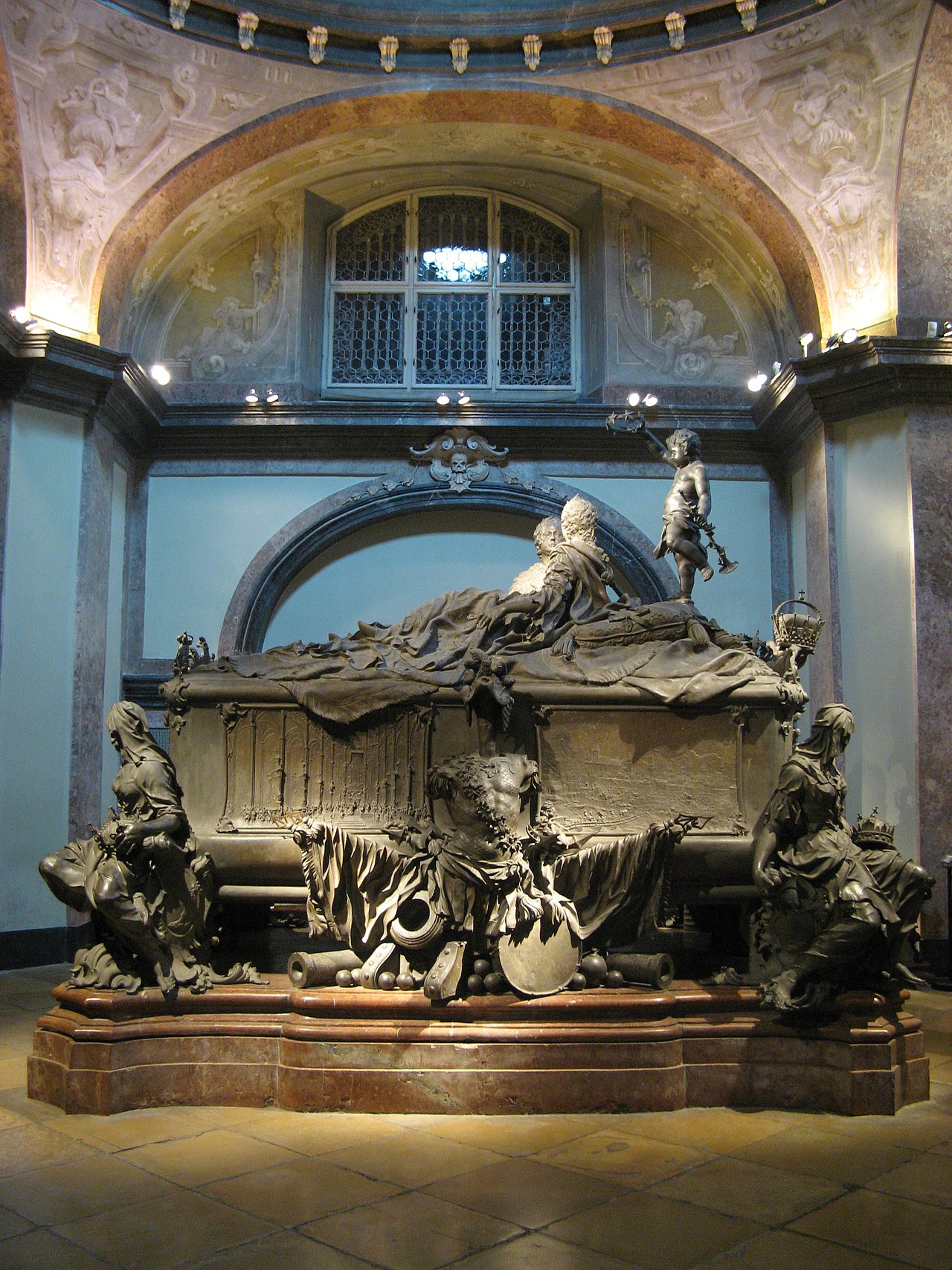
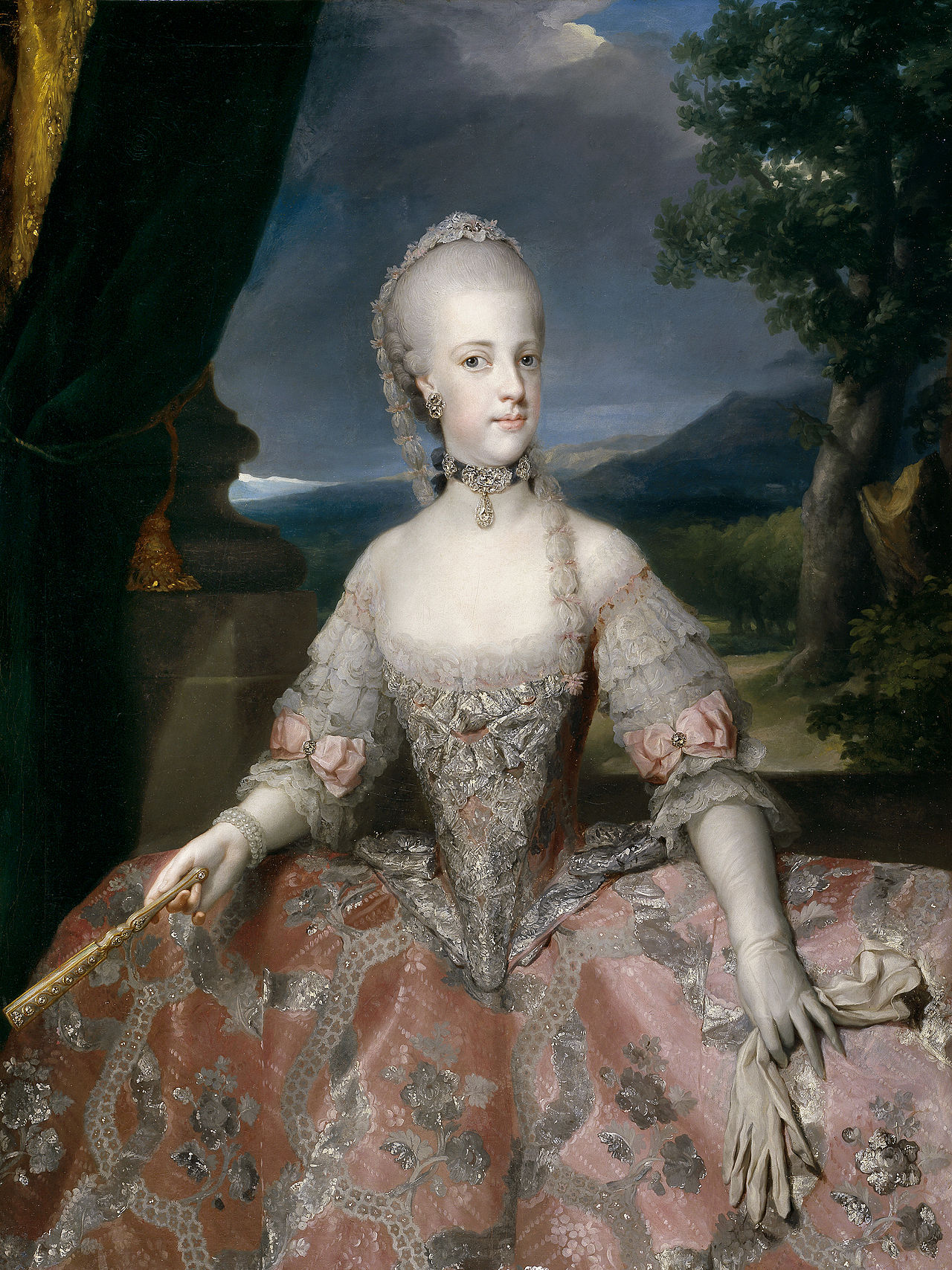
Early life and accession
Born into the House of Habsburg, Maria Theresa was the eldest surviving child of Emperor Charles VI. Because he had no male heirs, he secured the Pragmatic Sanction to allow a daughter to succeed, but her accession in 1740 immediately provoked disputes among European powers. Her accession was contested, leading to the long and costly War of the Austrian Succession. During these early years she defended her hereditary claims to territories such as Hungary, where she reigned as Queen of Hungary, and Bohemia, where she held the crown of Bohemia.
Reforms and government
Maria Theresa sought to modernize and centralize administration across her realms while preserving monarchical authority. She reorganized the central bureaucracy, improved fiscal systems to raise state revenues, and strengthened the armed forces in response to repeated military threats. Her legal measures included curbing certain judicial abuses and gradually limiting practices such as arbitrary torture. She worked to improve the condition of the rural population with reforms that eased some burdens on peasants, though she did not abolish serfdom outright.
- Administrative centralization and new ministries to professionalize governance.
- Fiscal reform to stabilize the treasury and fund the military.
- Education: expansion of primary schooling and encouragement of technical training.
- Judicial changes to standardize legal procedures and reduce arbitrary practices.
Foreign policy and military conflicts
Her reign was shaped by warfare and diplomacy. The War of the Austrian Succession (1740–1748) and later the Seven Years' War (1756–1763) tested Habsburg power. One of the most consequential losses was the province of Silesia to Prussia under Frederick II, a setback that influenced Habsburg strategic priorities for decades. To manage external threats, Maria Theresa invested in army reforms and created diplomatic networks through marriage alliances for her many children.
Cultural patronage, court life and legacy
Maria Theresa presided over a court that reshaped Vienna as a cultural and administrative capital. She remodeled the imperial palaces, most notably transforming the summer and court residences near Vienna, including work on the palace commonly compared in style to Versailles and maintained improvements to the Viennese palaces. Her patronage supported music, architecture and court ceremonies; Vienna’s growing reputation as a musical center owed something to the climate of patronage during and after her reign.
She was a devout Catholic who sought to regulate church influence while preserving traditional religious life. Social policy under Maria Theresa included measures intended to improve peasant welfare, and she reached into areas of public health and education to strengthen the state’s capacity. Historians commonly view her as a ruler who balanced enlightened administrative reforms with conservative social aims, and who left a durable bureaucratic and dynastic legacy; her son and co-regent, Joseph II, continued and radicalized many policies after her death.
Notable facts
- She reigned for four decades, one of the longest of any Habsburg ruler.
- Her large family produced influential dynastic marriages; her daughter Marie Antoinette became Queen of France.
- She implemented reforms aimed at improving conditions for the peasantry while maintaining feudal obligations in many regions; some of her measures are often summarized as attempts to strengthen state authority and social stability.
For further reading on the institutions she reshaped and the political context of her reign consult primary and secondary resources addressing the Habsburg state, the Archduchy of Austria, the Habsburg relationship with the peasantry, and the dynastic diplomacy that linked her courts to other European houses. Additional summaries and specialized studies can be found through catalogs of European history and dedicated biographies at historical repositories and libraries referenced by modern scholars (Bohemian affairs) and by general surveys of Central European development (German lands).
Questions and answers
Q: Who was Maria Theresa of Austria?
A: Maria Theresa of Austria was the only female head of the Habsburg Dynasty. She was the de facto Empress Regnant of the Holy Roman Empire, Queen of Germany, queen of Hungary and Bohemia, and archduchess of Austria.
Q: What did Maria Theresa do during her rule?
A: Maria Theresa changed the royal palace outside Vienna to look much like Versailles. Vienna became an important center for the arts, especially music. She added support to her absolute power by tightening her hold on the government and improved conditions for the peasants.
Q: What titles did Maria Theresa hold?
A: Maria Theresa held many titles, including Empress Regnant of the Holy Roman Empire, Queen of Germany, queen of Hungary and Bohemia, and archduchess of Austria.
Q: What is Maria Theresa known for in history?
A: Maria Theresa is generally known to history as the Empress Maria Theresa.
Q: What did Maria Theresa change about the royal palace outside Vienna?
A: Maria Theresa changed the royal palace outside Vienna to look much like Versailles.
Q: What did Maria Theresa do to support her absolute power?
A: Maria Theresa added support to her absolute power by tightening her hold on the government.
Q: What did Maria Theresa do to improve conditions for the peasants?
A: Maria Theresa improved conditions for the peasants.
Author
AlegsaOnline.com Maria Theresa of Austria: Habsburg Sovereign and Reformer (1717–1780) Leandro Alegsa
URL: https://en.alegsaonline.com/art/125997