
Margherita of Savoy: Queen Consort, Cultural Patron, and Namesake
Margherita of Savoy (1851–1926) was queen consort of Italy (1878–1900), a public figure known for charity and the arts, and the namesake of the Pizza Margherita and many Italian institutions.
Overview
Margherita of Savoy (born 20 November 1851 in Turin, died 4 January 1926 in Bordighera) served as queen consort of the Kingdom of Italy during the reign of her husband, Humbert I (also styled Umberto I), from 1878 until 1900. She was a prominent public figure who combined ceremonial duties with active patronage of arts, charitable causes and national symbolism.
Image gallery
10 Images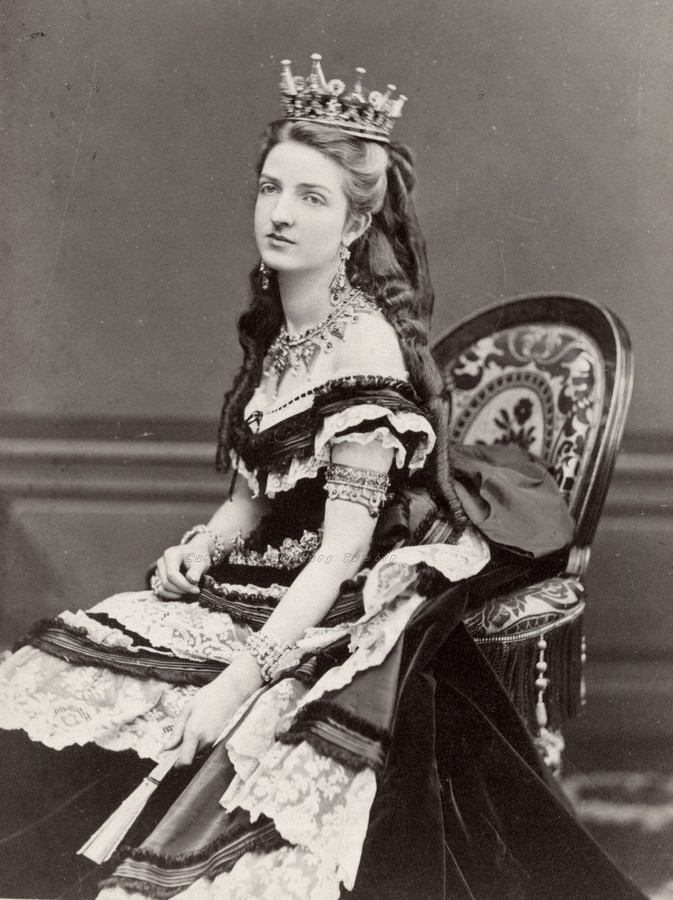


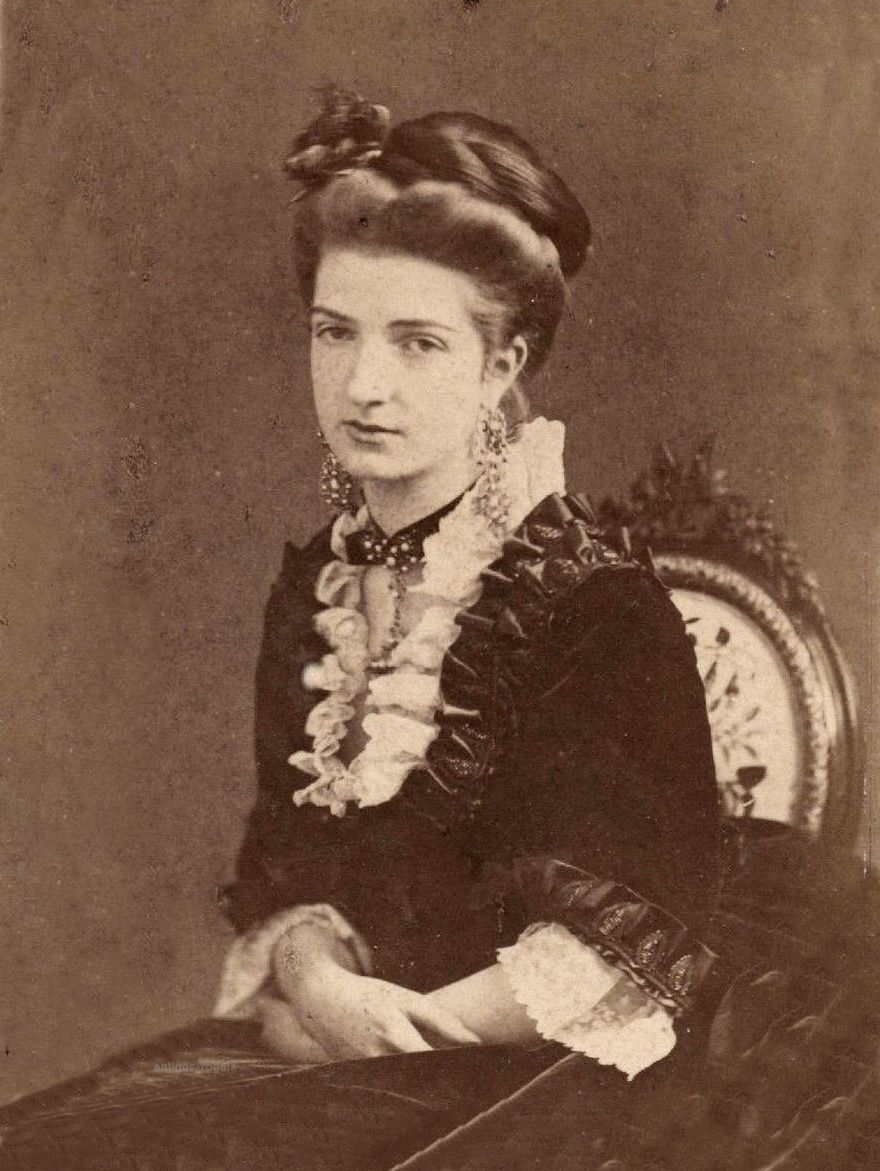


Early life and family
Born into the House of Savoy, Margherita grew up in the newly unified Italian state during a period of rapid political and cultural change. She married the heir to the throne and became queen when her husband succeeded his father. The couple's only surviving son later ascended to the throne as King Vittorio Emanuele III.
Role as queen and public work
As queen consort, Margherita took part in official ceremonies, supported public institutions and cultivated a visible image meant to embody national unity. She championed charitable initiatives, lent patronage to hospitals and educational projects, and hosted salons and public receptions that attracted artists, writers and political figures. While her position was primarily ceremonial under Italy's constitutional monarchy, she exercised soft influence by promoting philanthropy and cultural life.
Cultural legacy and popular associations
Margherita is remembered as a cultural patron. In popular tradition a Neapolitan baker presented a tomato–mozzarella–basil pizza in her honor—now known worldwide as Pizza Margherita—whose colors recalled the Italian flag. Beyond that culinary anecdote, her name was attached to schools, charities and places in Italy, reflecting her lasting symbolic presence in public life.
Later life and notable facts
Her husband's assassination in 1900 by an anarchist marked a turning point: after his death she withdrew from many public roles but remained a respected figure and guardian of the royal family's image. She died in 1926 in Bordighera. Historians note her combination of ceremonial duty and cultural patronage as characteristic of European queen consorts of her era.
Summary
- Lifetime: 1851–1926.
- Role: Queen consort of Italy, 1878–1900.
- Legacy: Patronage of the arts and charities; popular association with Pizza Margherita and several institutions named after her.
Questions and answers
Q: Who was Margherita of Savoy?
A: Margherita of Savoy, also known as Margaret of Savoy, was an Italian queen of the Kingdom of Italy during her husband Humbert I's reign from 1878 to 1900.
Q: When and where was she born?
A: She was born on November 20, 1851 in Turin, Italy.
Q: When did she die and where?
A: Margherita of Savoy died on January 4, 1926 in Bordighera, Italy.
Q: What was her role in the Kingdom of Italy?
A: She was the queen of the Kingdom of Italy during the reign of her husband, Humbert I.
Q: For how long was her husband the king?
A: Her husband, Humbert I, was the king of Italy from 1878 to 1900.
Q: Did she hold any official position or role aside from being a queen?
A: There is no information indicating any official position or role held by Margherita of Savoy aside from being a queen.
Q: How is she commonly known other than Margherita of Savoy?
A: She is commonly known as Margaret of Savoy.
Author
AlegsaOnline.com Margherita of Savoy: Queen Consort, Cultural Patron, and Namesake Leandro Alegsa
URL: https://en.alegsaonline.com/art/125935