
Marc de Beauvau, Prince of Craon (1679–1754)
French-Lorraine nobleman Marc de Beauvau, Prince of Craon, was an 18th-century courtier and statesman who held imperial and Spanish honors and served as viceroy in the Grand Duchy of Tuscany.
Overview
Marc de Beauvau (François Vincent Marc; 29 April 1679 – 10 March 1754) was a leading noble of the House of Beauvau, active in the courts of Lorraine and wider European polities during the first half of the 18th century. He is most often remembered by the princely title Prince of Craon and by honors that linked him to the Holy Roman Empire and to Spain. Contemporary accounts describe him as a courtier, regional statesman and representative of ducal authority abroad.
Image gallery
2 Images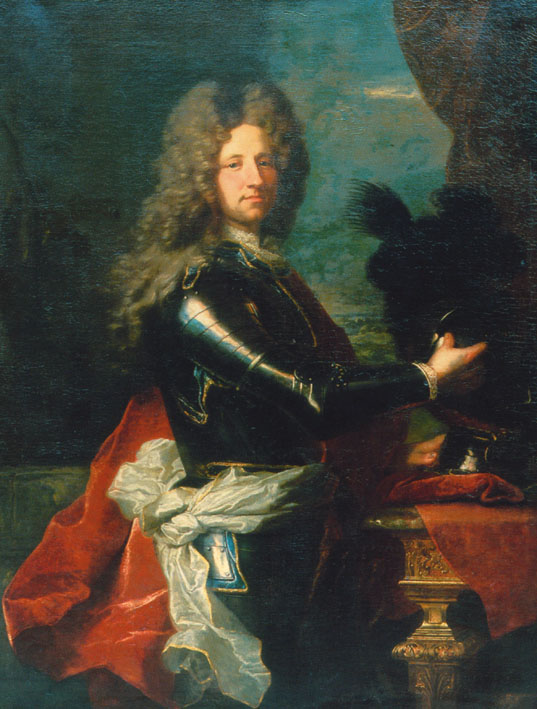

Family background and title
The Beauvau family was an old noble house rooted in the Duchy of Lorraine. Marc de Beauvau inherited the family’s local influence and was elevated to princely status within the structures of the Empire. His style as a Prince of the Holy Roman Empire is an example of how regional dynasties acquired imperial recognition; he was commonly called the Prince of Craon. He also received Spanish distinction as a Grandee of Spain, reflecting cross‑court patronage and recognition.
Offices and public role
Marc de Beauvau acted as a viceroy in the administration of the Grand Duchy of Tuscany, serving as a ducal representative and chief local administrator when sovereigns were absent or when foreign arrangements required a viceroyal government. In this capacity he would have overseen civil administration, represented ducal interests in ceremonial and diplomatic matters, and coordinated with local elites and ministers. His career illustrates the interconnected careers of nobles who operated between French, Imperial and Italian spheres.
Court connections and reputation
He and his wife were closely associated with the ducal household in Lorraine; sources indicate a particularly intimate relationship with the Duke and Duchess of Lorraine and suggest that his wife enjoyed personal favor at court. Such ties strengthened Beauvau’s position at home and abroad and amplified the family’s social influence.
Titles and legacy
- Prince of Craon and Prince of the Holy Roman Empire (Holy Roman Empire).
- Viceroy of the Grand Duchy of Tuscany (Grand Duchy of Tuscany).
- Holder of Spanish grandeeship (Grandee of Spain).
Marc de Beauvau’s life exemplifies how provincial aristocrats of the early 18th century amassed multiple honors and roles across competing sovereignties. For further reading on the Beauvau family and the court society of Lorraine, see studies of ducal Lorraine and European noble networks linked to the Duke and Duchess of Lorraine.
Questions and answers
Q: Who was Marc de Beauvau?
A: Marc de Beauvau was a member of the powerful French House of Beauvau, a Prince of the Holy Roman Empire, and known as the Prince of Craon.
Q: What was one of Marc de Beauvau's important positions?
A: Marc de Beauvau acted as Viceroy of the Grand Duchy of Tuscany.
Q: Was Marc de Beauvau also the Prince of Beauvau?
A: Yes, Marc de Beauvau was the Prince of Beauvau but was better known as the Prince of Craon.
Q: Did Marc de Beauvau have any connections with the Duke and Duchess of Lorraine?
A: Yes, Marc de Beauvau and his wife were close friends with the then Duke and Duchess of Lorraine, and his wife later became the mistress of the duke.
Q: What other title was Marc de Beauvau given?
A: Marc de Beauvau was made a "Grandee of Spain".
Q: When was Marc de Beauvau born and when did he pass away?
A: Marc de Beauvau was born on 29 April 1679 and passed away on 10 March 1754.
Q: What was Marc de Beauvau's full name?
A: Marc de Beauvau's full name was François Vincent Marc.
Author
AlegsaOnline.com Marc de Beauvau, Prince of Craon (1679–1754) Leandro Alegsa
URL: https://en.alegsaonline.com/art/125887