
Marc-Antoine Charpentier: French Baroque Composer and Sacred-Music Master
Concise encyclopedia article on Marc-Antoine Charpentier (1643–1704), his life, training, principal works (including the Te Deum), musical style, genres, manuscripts and modern reception.
Overview
Marc-Antoine Charpentier (1643–24 February 1704) was a French composer of the Baroque era, born near Paris. He is best known today for his vibrant Te Deum, whose opening fanfare-like prelude has become widely familiar through broadcast usage by the European Broadcasting Union and at ceremonies such as the Vienna New Year's Concert and the Eurovision Song Contest. That prelude is also frequently played as a voluntary in liturgical and festive contexts, including weddings.
Image gallery
2 Images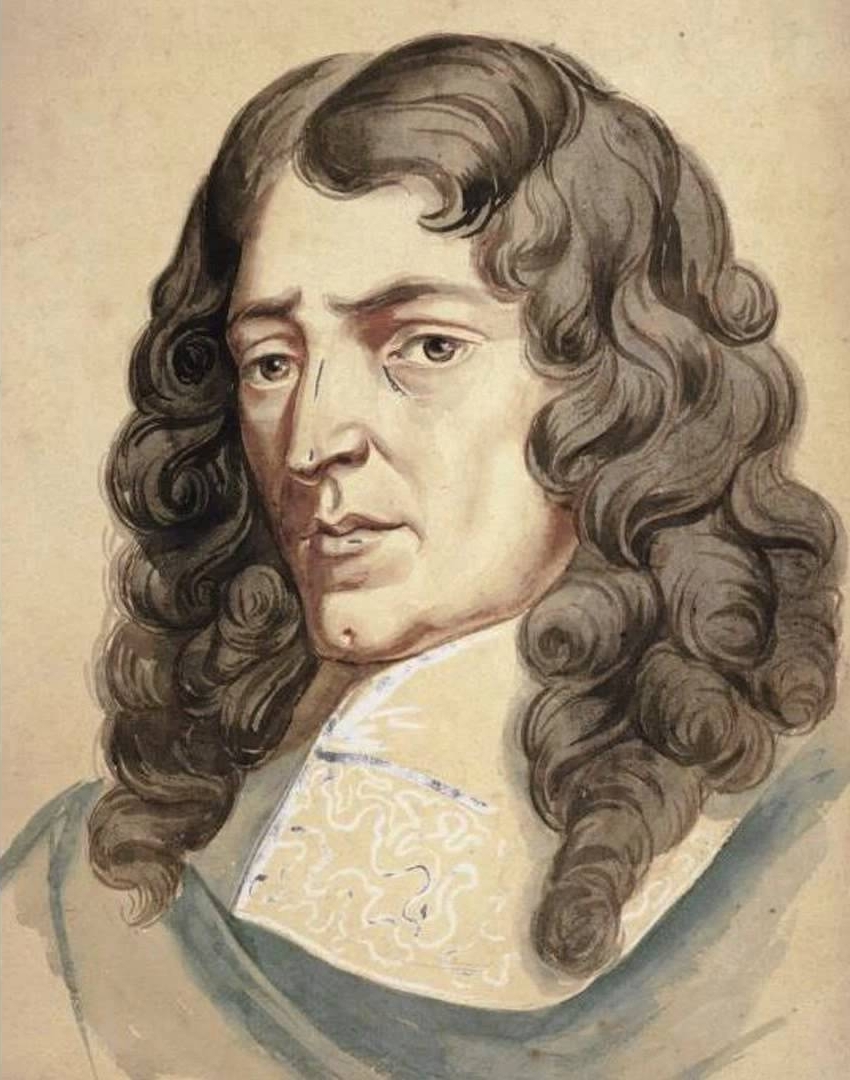
Life and training
Charpentier spent part of his formative years in Italy, where he absorbed contemporary Roman styles and contrapuntal practice that informed his later work in France. He is often associated with the circle of Italian vocal composition and with teachers who emphasized expressive vocal lines and careful text setting. On returning to Paris he worked mainly for private patrons, religious communities and institutions rather than enjoying sustained royal favor; later he served as maître de musique at the Sainte-Chapelle in Paris, where he spent his final years.
Career and professional context
The musical life of 17th-century France was shaped by court tastes and powerful figures who controlled public opera and theatrical music. Charpentier found rich opportunities outside those official channels, producing a steady body of sacred music for churches and chapels as well as chamber cantatas and incidental music for private theatre. His position allowed him to write both large-scale liturgical works and more intimate vocal pieces for devotional or salon performance.
Music, genres and notable works
Charpentier's output covers a wide range of Baroque genres: grands motets and petits motets for choir and soloists, masses and other liturgical settings, Leçons de ténèbres for Holy Week, Latin and French cantatas, oratorios and music for the theatre. He combined French attention to text and clarity with Italianate expressiveness and contrapuntal skill. Among his most frequently performed pieces today are the various motets and the beloved Te Deum, but his catalog also includes many settings intended for specific liturgical functions or private devotion.
- Sacred vocal music: grands motets and settings for the daily offices and feast days.
- Devotional works: Leçons de ténèbres and smaller motets for chapel use.
- Secular and theatrical music: cantatas, incidental music and pieces for private theatrical companies.
- Instrumental writing: continuo-based accompaniments and chamber ensembles supporting vocal lines.
Style and performance practice
Charpentier is noted for his expressive word-setting, balanced use of soloists and chorus, and imaginative harmony. He made effective use of continuo and small instrumental groups, shaping textures to suit dramatic or liturgical needs. Performers and conductors in the early-music movement have emphasized historically informed approaches to tempo, articulation and ornamentation when interpreting his works, drawing on period instruments and evidence from surviving manuscripts.
Manuscripts, cataloguing and study
A substantial portion of Charpentier's oeuvre survives in manuscript form in major French libraries and private collections, and these sources have been essential for modern editions and scholarship. Researchers consult archival catalogs and specialized studies to identify autograph sources and later copies; ongoing editorial work aims to clarify chronology and provenance for many pieces (composer studies and archival research).
Legacy and modern reception
Although overshadowed in his own time by institutional favoritism toward some court composers, Charpentier's music was rediscovered in the 20th century and has enjoyed a steady revival. Recordings and performances by period ensembles and choirs have brought his motets, cantatas and sacred dramas to modern audiences. Musicologists treat his work as a key example of how French and Italian styles converged in the Baroque period, and his surviving scores continue to inform both performance practice and academic study of the Baroque era.
Further notes
For listeners, the instantly recognizable prelude to the Te Deum remains a useful entry point to Charpentier's sound world, while performers often explore his lesser-known liturgical and chamber works. Information about sources, modern editions and recordings can be found through library catalogs and specialist editions and repositories dedicated to French sacred music and early-music research (archives and catalogues).
Questions and answers
Q: Who was Marc-Antoine Charpentier?
A: Marc-Antoine Charpentier was a French composer who lived during the Baroque period.
Q: What is Charpentier's most famous music?
A: Charpentier's most famous music is his Te Deum.
Q: What is the signature tune for the European Broadcasting Union?
A: The signature tune for the European Broadcasting Union is the prelude of Charpentier's Te Deum.
Q: What programmes is the prelude of Charpentier's Te Deum used for?
A: The prelude of Charpentier's Te Deum is used to introduce programmes such as the Vienna New Year's Concert and the Eurovision Song Contest.
Q: What is the prelude of Charpentier's Te Deum often used for?
A: The prelude of Charpentier's Te Deum is often used as a voluntary for weddings.
Q: When and where was Charpentier born?
A: Charpentier was born near Paris in 1643.
Q: When did Charpentier die and where was he at the time?
A: Charpentier died on 24 February 1704 in Sainte-Chapelle, Paris.
Author
AlegsaOnline.com Marc-Antoine Charpentier: French Baroque Composer and Sacred-Music Master Leandro Alegsa
URL: https://en.alegsaonline.com/art/125813