
Manuel de Falla
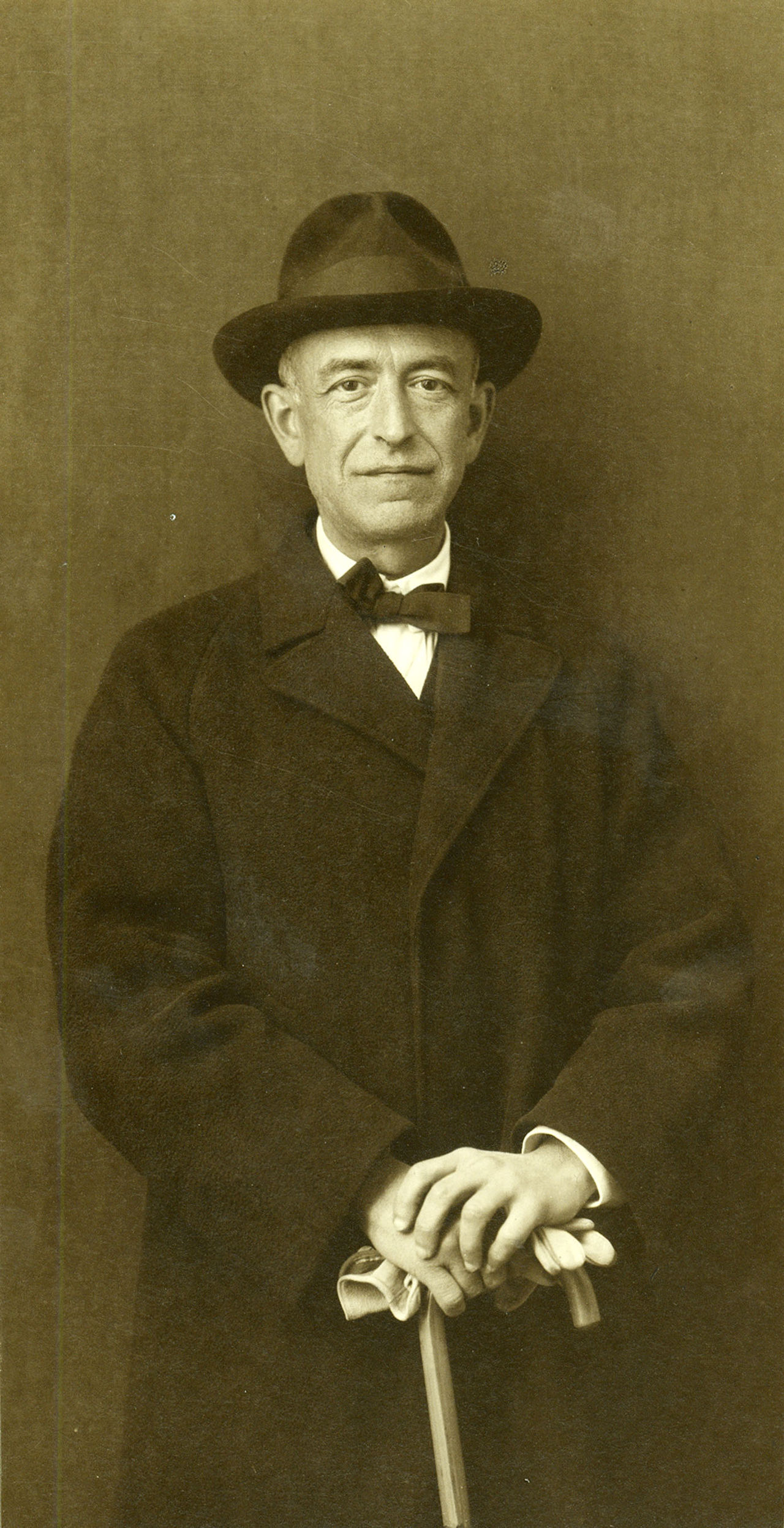
Spanish composer Manuel de Falla (1876–1946) was a leading figure in the revival of Spanish concert music; his ballets, songs, and orchestral works fuse Andalusian folk elements with refined orchestration.
Manuel de Falla (born 23 November 1876 in Cádiz; died 14 November 1946 in Alta Gracia) is regarded as one of Spain’s most important composers of the early 20th century. Working in a period when many European nations were asserting musical identities, Falla helped renew interest in Spanish musical traditions and brought Andalusian and flamenco-derived elements into art music.
Image gallery
6 Images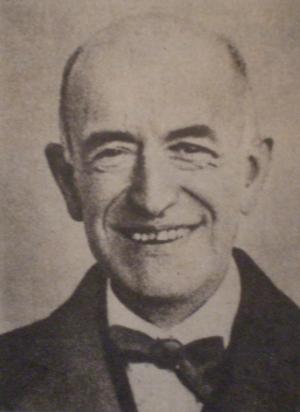



Biography and career highlights
Falla studied in Spain and spent formative years in Madrid and Paris, where he encountered contemporary French and Russian currents in music. After returning to Spain he settled for a long period in Granada, absorbing Andalusian folk idioms. Political turmoil in Spain and the Civil War led him to leave for Argentina late in life, where he spent his final years.
Musical style and characteristics
Falla’s music is noted for its clarity, strong sense of rhythm, and evocative orchestration that often evokes the atmosphere of southern Spain. He favored modal melodies, characteristic dance rhythms from flamenco and popular music, and a compact approach to form. His vocal writing pays close attention to the natural inflection of the Spanish language.
Major works
- El amor brujo – a dance-pantomime combining vocal and instrumental episodes with folkloric color.
- El sombrero de tres picos (The Three-Cornered Hat) – a ballet created for the Ballets Russes that brings rustic Spanish life to the stage.
- Noches en los jardines de España (Nights in the Gardens of Spain) – a series of impressionistic orchestral pieces for piano and orchestra evoking gardens and night scenes.
- Siete canciones populares españolas – arrangements of folk songs for voice and piano that remain staples of the repertoire.
- Other works include the opera La vida breve, chamber pieces and orchestral miniatures.
Legacy and influence
Although his output is relatively small compared with some contemporaries, Falla’s music exerted lasting influence on Spanish musical life. Along with Albéniz and Granados, he is credited with helping to revive Spanish concert composition and to integrate vernacular music into art-music contexts. His works continue to be performed regularly and studied for their distinctive fusion of folk sources with concert techniques.
Notable aspects often highlighted by scholars and performers include his meticulous craftsmanship, the expressive use of rhythm derived from flamenco, and an ability to create vivid stage atmospheres. Falla remains a central figure for understanding 20th‑century Spanish music and its international reception.
Questions and answers
Q: Who was Manuel de Falla?
A: Manuel de Falla was a Spanish composer born in Cádiz, Spain, on November 23, 1876.
Q: When did Manuel de Falla die?
A: Manuel de Falla died on November 14, 1946, in Alta Gracia, Argentina.
Q: Why is Manuel de Falla important?
A: Manuel de Falla is important because, along with Albéniz and Granados, he helped to make Spanish music important again after three centuries during which there had been no important Spanish composers.
Q: What is the correct pronunciation of Manuel de Falla's name?
A: The correct pronunciation of Manuel de Falla's name is "FA-ya."
Q: Who were the other two composers that helped to make Spanish music important again?
A: The other two composers that helped to make Spanish music important again were Albéniz and Granados.
Q: When were there no important Spanish composers?
A: There were no important Spanish composers for three centuries.
Q: In which country did Manuel de Falla die?
A: Manuel de Falla died in Alta Gracia, Argentina.
Related articles
Author
AlegsaOnline.com Manuel de Falla Leandro Alegsa
URL: https://en.alegsaonline.com/art/125788