
Malala Yousafzai: Pakistani education activist and Nobel laureate
Pakistani advocate for girls' education and youngest Nobel Peace Prize laureate. Survived a 2012 assassination attempt, co‑founded the Malala Fund, authored a memoir and continues global campaigning for schooling rights.
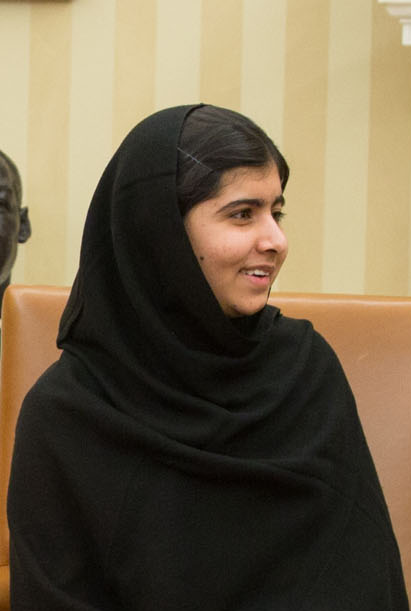
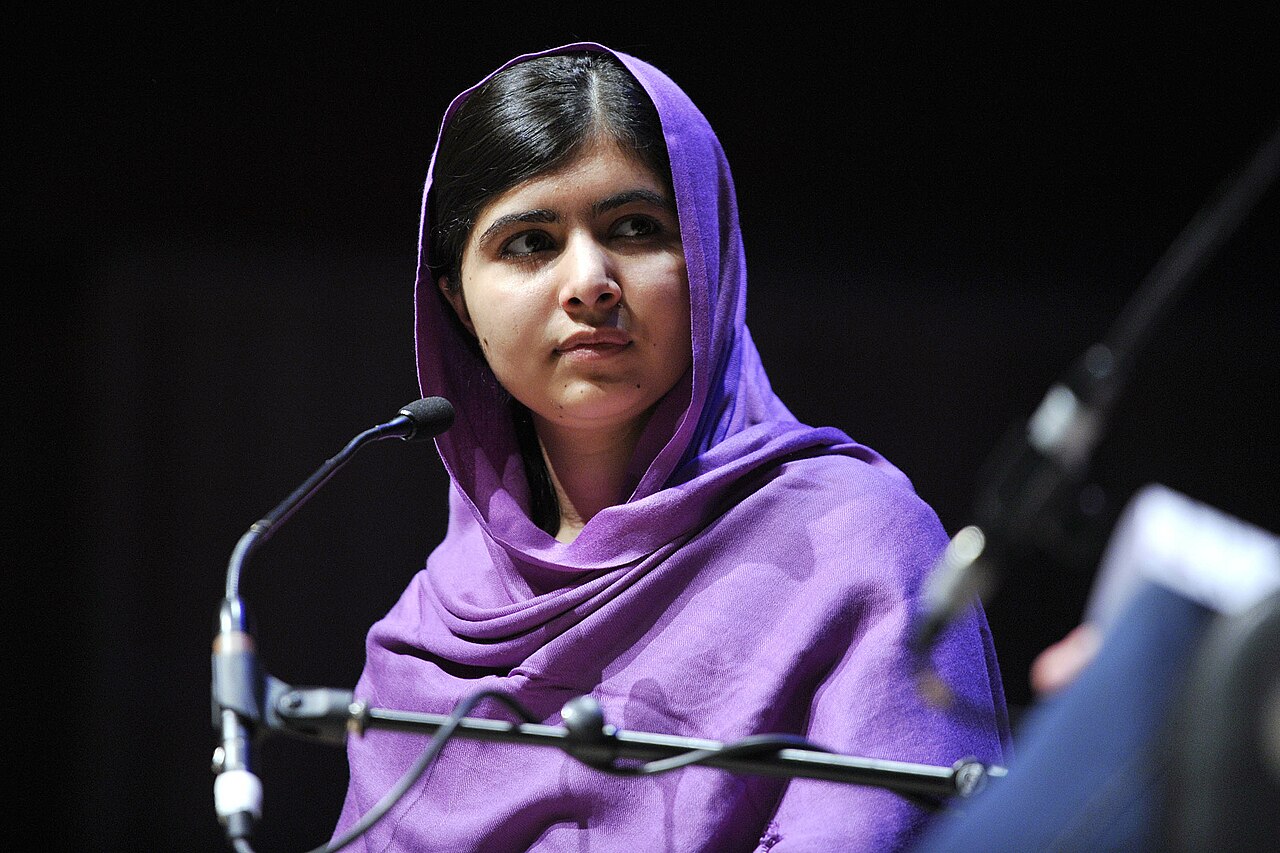
Malala Yousafzai (born 12 July 1997) is a Pakistani activist known for promoting girls' right to education. She first gained attention as a teenager for speaking out about barriers to schooling in the Swat Valley and for writing about life under militant influence. Her advocacy has made her a prominent figure in global debates about education, children's rights, and women’s empowerment.
Image gallery
10 Images




Early life and influences
Born in the Swat District of Khyber Pakhtunkhwa, Pakistan, Malala grew up in a family engaged with education and local affairs. Her father worked as an educator and ran a school, and he has been described as an important influence on her public work. From a young age she combined school attendance with public speaking and media engagement, which set the stage for wider recognition.
Activism and the 2012 attack
Malala's public profile expanded when she contributed to a BBC Urdu blog describing life under Taliban restrictions and later spoke openly about the need for girls' schooling. In October 2012 she survived an assassination attempt that targeted her while she was travelling home from school. The shooting, widely reported at the time as an attack, resulted in serious injuries and led to medical treatment abroad and a long recovery process.
Recovery, writing and continuing work
After recovering, Malala continued her public advocacy and co‑authored a memoir that attracted international attention. She co‑founded the Malala Fund, an organization that supports education programs and advocates for policy measures aimed at increasing girls' access to quality schooling worldwide. She also pursued higher education, completing studies at a university in the United Kingdom.
Awards, recognition and notable facts
- In 2014 she became the youngest recipient of the Nobel Peace Prize, recognized for her struggle for children's and young people's rights.
- Her work spans public speaking, writing, nonprofit advocacy and partnerships with international education initiatives.
- She remains a symbolic figure for youth-led activism and for campaigns that seek to make education more inclusive.
While opinions about public figures can vary, Malala's influence on global conversations about education and her survival of a high-profile violent attack contributed to sustained international support for girls' schooling. Her story is often cited in discussions of resilience, the role of young people in social change, and the challenges facing education in conflict-affected regions.
Questions and answers
Q: Who is Malala Yousafzai?
A: Malala Yousafzai is a Pakistani student and education activist.
Q: What is she known for?
A: She is known for her activism for girls' and women's rights, especially for her campaign to allow girls to go to school.
Q: When did she become a victim of a gunshot attack?
A: She became a victim of a gunshot attack in October 2012.
Q: What is Malala Yousafzai's greatest achievement?
A: Malala Yousafzai's greatest achievement is becoming the youngest person to have won the Nobel Peace Prize.
Q: When was Malala Yousafzai awarded the Nobel Peace Prize?
A: Malala Yousafzai was awarded the Nobel Peace Prize in October 2014.
Q: How old was Malala Yousafzai when she won the Nobel Peace Prize?
A: Malala Yousafzai was just 17 years old when she won the Nobel Peace Prize.
Q: When was Malala Yousafzai nominated for the Nobel Peace Prize?
A: Malala Yousafzai was nominated for the Nobel Peace Prize the year before she won it, in 2013.
Related articles
Author
AlegsaOnline.com Malala Yousafzai: Pakistani education activist and Nobel laureate Leandro Alegsa
URL: https://en.alegsaonline.com/art/125722