
Major Lance: Chicago soul singer and Northern Soul figure
Overview of Major Lance, a Chicago soul singer known for 1960s hits, his association with Okeh Records and Northern soul in Britain, with background, style, career highlights and legacy.
Overview
Major Lance (born April 4; sources report 1939, 1941 or 1942 – September 3, 1994) was an American soul singer who rose to prominence in the 1960s. His given name was literally "Major," not a stage name or nickname, a detail often noted in accounts of his life. Source Lance became identified with the buoyant, dance-oriented branch of Chicago soul and recorded several charting singles for Okeh Records. He is best remembered for uptempo tracks that became favorites in American R&B circles and later found a devoted following on the British Northern soul scene.
Image gallery
2 Images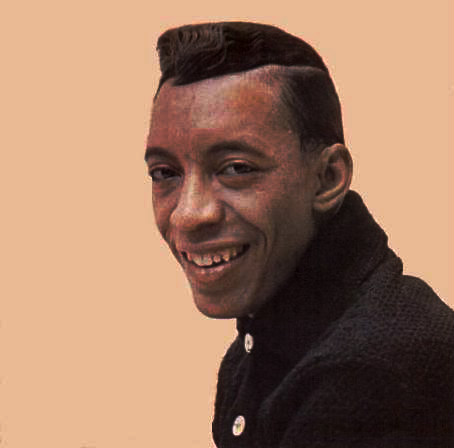
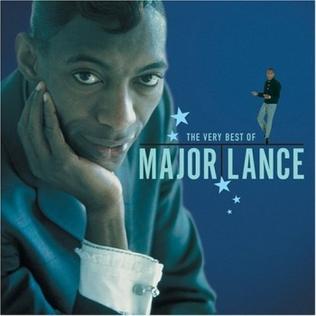
Early life and background
Born in Winterville, Mississippi, Lance moved with his family to Chicago as a child. Source In Chicago he forged a friendship with Otis Leavill Cobb; both young men took boxing lessons and worked jobs at a neighborhood drugstore while pursuing music. These working-class beginnings and the vibrant local club scene helped shape Lance's musical direction and stagecraft.
Music, recordings and style
Major Lance recorded for Okeh Records and became one of the label's most commercially successful artists during the mid-1960s. He is associated with a bright, rhythmic style of Chicago soul characterized by clear lead vocals, punchy horn arrangements and danceable grooves. Some of his best-known singles include "Monkey Time" and the pop-soul hit "Um, Um, Um, Um, Um, Um," which received extensive radio play in the United States. Source
Much of Lance's repertoire benefited from collaboration with other Chicago figures: songwriters and producers such as Curtis Mayfield and Carl Davis contributed material and production that suited his voice and the era's tastes. These partnerships helped craft records that combined melodic hooks with the rhythmic drive favored in clubs.
Career development and international reception
After his peak chart success in the U.S., Major Lance's music found renewed appreciation in Britain. During the 1970s he lived for a time in the UK, where collectors and club-goers associated with the Northern soul movement embraced his up-tempo sides and made him an enduring figure on that circuit. Source His reputation in England and across Britain grew as DJs and dancers sought rare, dancefloor-ready American soul records. Source
Later years, personal life and death
Lance continued to perform into the 1980s and early 1990s at clubs and festivals, particularly where Northern soul audiences remained active. His life included struggles sometimes associated with touring musicians of the period; accounts note he had a few arrests over the years, though these incidents did not define his career. He died on September 3, 1994, reportedly of a heart attack; contemporary reports gave his age as about 55. He was buried in Homewood, Illinois. Source
Legacy and significance
- Representative of the Chicago soul sound: Lance's records exemplify the danceable side of 1960s R&B that bridged pop and black urban music.
- Northern soul icon: British collectors and dancers helped sustain interest in his work long after its first release.
- Collaborative networks: his association with prominent songwriters and producers of the Chicago scene strengthened the quality and reach of his recordings.
Today Major Lance is remembered both for specific hit singles and for his wider role in the transatlantic life of soul music: songs that were popular in American R&B contexts also became prized artifacts in British clubs, helping to keep his music in circulation decades after its initial release. For a concise introduction to his life and discography consult specialist sources and discographies that focus on 1960s Chicago soul and Northern soul collectors' lists. More sources and references are available.
Questions and answers
Q: Who was Major Lance?
A: Major Lance was a solo singer from Winterville, Mississippi, who became most famous for his music hits "Monkey Time" and "Um, Um, Um, Um, Um, Um".
Q: Was "Major" his stage name or nickname?
A: No, "Major" was his given name; it was not a nickname or stage name.
Q: Did Lance have a criminal record?
A: Yes, Lance was arrested a couple of times in his life.
Q: What were Lance's earliest records like?
A: Lance's earliest records were not successful.
Q: Where did Lance live in the 1970s?
A: Lance lived in Britain throughout the 1970s, where he became an iconic figure among followers of Northern soul.
Q: When did Lance die and how old was he?
A: Lance died in 1994 at the age of 55 from a certain heart attack.
Q: Where is Lance buried?
A: Lance is buried in Homewood, Illinois.
Related articles
Author
AlegsaOnline.com Major Lance: Chicago soul singer and Northern Soul figure Leandro Alegsa
URL: https://en.alegsaonline.com/art/125714