
Maharishi Mahesh Yogi: founder and popularizer of Transcendental Meditation
Indian spiritual leader who promoted Transcendental Meditation worldwide, taught many public figures, founded institutions and inspired debates about meditation, science and social policy.
Overview
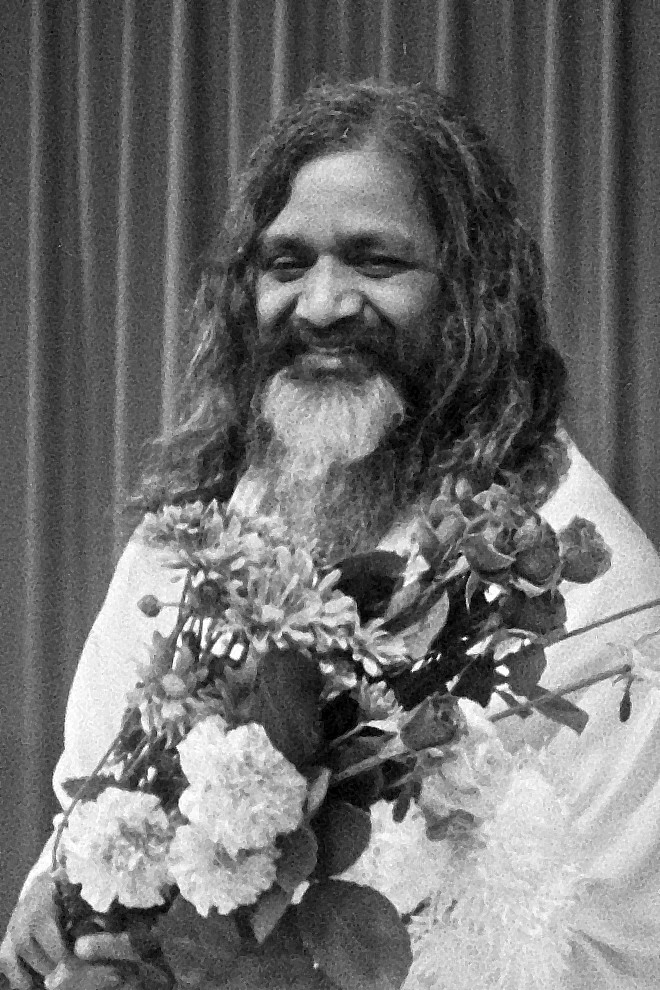
Maharishi Mahesh Yogi (12 January 1918 – 5 February 2008) was an Indian guru and widely known spiritual teacher who introduced and organized a practical form of mantra meditation for large audiences. He became internationally prominent in the mid-20th century by promoting what he called Transcendental Meditation, a technique presented as a tool for stress reduction, creativity and inner calm.
Image gallery
10 Images




Teachings and practice
Maharishi taught a simple, mantra-based technique intended to be practiced sitting comfortably with eyes closed. Instruction was offered through certified teachers and standardized courses. His presentations emphasized that regular practice could produce subjective relaxation and allegedly measurable social benefits when practiced by many people together. Many followers used the honorific title "Maharishi," meaning "great seer," for their teacher.
History and institutions
He began teaching in India and then traveled widely, establishing a global network of meditation centers, teacher training programs and educational institutions. He founded a university in the United States (known variously as Maharishi International University or Maharishi University of Management) and organizations devoted to research, education and Ayurvedic approaches. Supporters say these institutions helped to institutionalize meditation training; critics questioned some administrative and financial practices.
Influence and notable associations
Maharishi attracted attention in popular culture when well-known musicians and public figures studied with him. His contacts included rock musicians and celebrities and specific groups such as The Beatles and The Beach Boys, events that widened public curiosity about Eastern meditation in the West. He also inspired political initiatives, most prominently movements that sought to apply meditation to social problems and to promote policies he called aligned with natural law.
Claims, research and controversies
Supporters have pointed to studies and anecdotal reports suggesting benefits for individual well-being and to the so-called "Maharishi Effect," a contested claim that group meditation can reduce crime or social stress. Scientists and journalists have debated the quality of such studies. Over decades his movement faced both praise for spreading meditation and criticism from former members, scholars and the press regarding organization, leadership style and unverified claims.
Legacy
Maharishi Mahesh Yogi left a global movement that continues to teach Transcendental Meditation through local centers, schools and universities. His life stimulated ongoing conversations about how meditation is taught, how spiritual practices intersect with science and public policy, and how modern movements adapt traditional techniques for mass learning. He spent his later years largely outside India and died in early 2008.
- Core practice: mantra-based meditation taught in a standardized course.
- Institutions: meditation centers, a university, research groups.
- Notable facts: influence on popular culture; debated social claims.
For more on the practice and history of Transcendental Meditation see introductory resources and independent research summaries: about gurus, spirituality, or specific accounts of its cultural impact and scientific study (TM).
Questions and answers
Q: Who was Maharishi Mahesh Yogi?
A: Maharishi Mahesh Yogi was an Indian guru who was a teacher of spirituality.
Q: What is the main contribution of Maharishi Mahesh Yogi?
A: Maharishi Mahesh Yogi is most famous for his development of Transcendental Meditation.
Q: What are some of the rock bands Maharishi Mahesh Yogi was associated with?
A: Maharishi Mahesh Yogi was associated with the rock bands The Beatles and The Beach Boys.
Q: When was Maharishi Mahesh Yogi born?
A: Maharishi Mahesh Yogi was born on January 12, 1918.
Q: When did Maharishi Mahesh Yogi pass away?
A: Maharishi Mahesh Yogi passed away on February 5, 2008.
Q: Why was Maharishi Mahesh Yogi famous?
A: Maharishi Mahesh Yogi was famous for his teachings on spirituality and his development of Transcendental Meditation, as well as for his association with popular rock bands.
Q: What is Transcendental Meditation?
A: Transcendental Meditation is a form of meditation developed by Maharishi Mahesh Yogi that involves the use of a mantra (a word or sound) to help the meditator achieve a state of deep relaxation and inner peace.
Related articles
Author
AlegsaOnline.com Maharishi Mahesh Yogi: founder and popularizer of Transcendental Meditation Leandro Alegsa
URL: https://en.alegsaonline.com/art/125687