
Maclyn McCarty: bacterial genetics and the discovery of DNA as hereditary material
Maclyn McCarty (1911–2005) was an American geneticist who, with Avery and MacLeod, showed that DNA rather than protein is the chemical basis of heredity and helped found molecular biology.
Maclyn McCarty (June 9, 1911 – January 2, 2005) was an American geneticist and biomedical researcher best known for his role in demonstrating that DNA, not protein, is the chemical basis of the gene. His work combined classical bacteriology with careful biochemical purification, and it provided experimental evidence that redirected research in heredity toward nucleic acids.
Image gallery
1 Image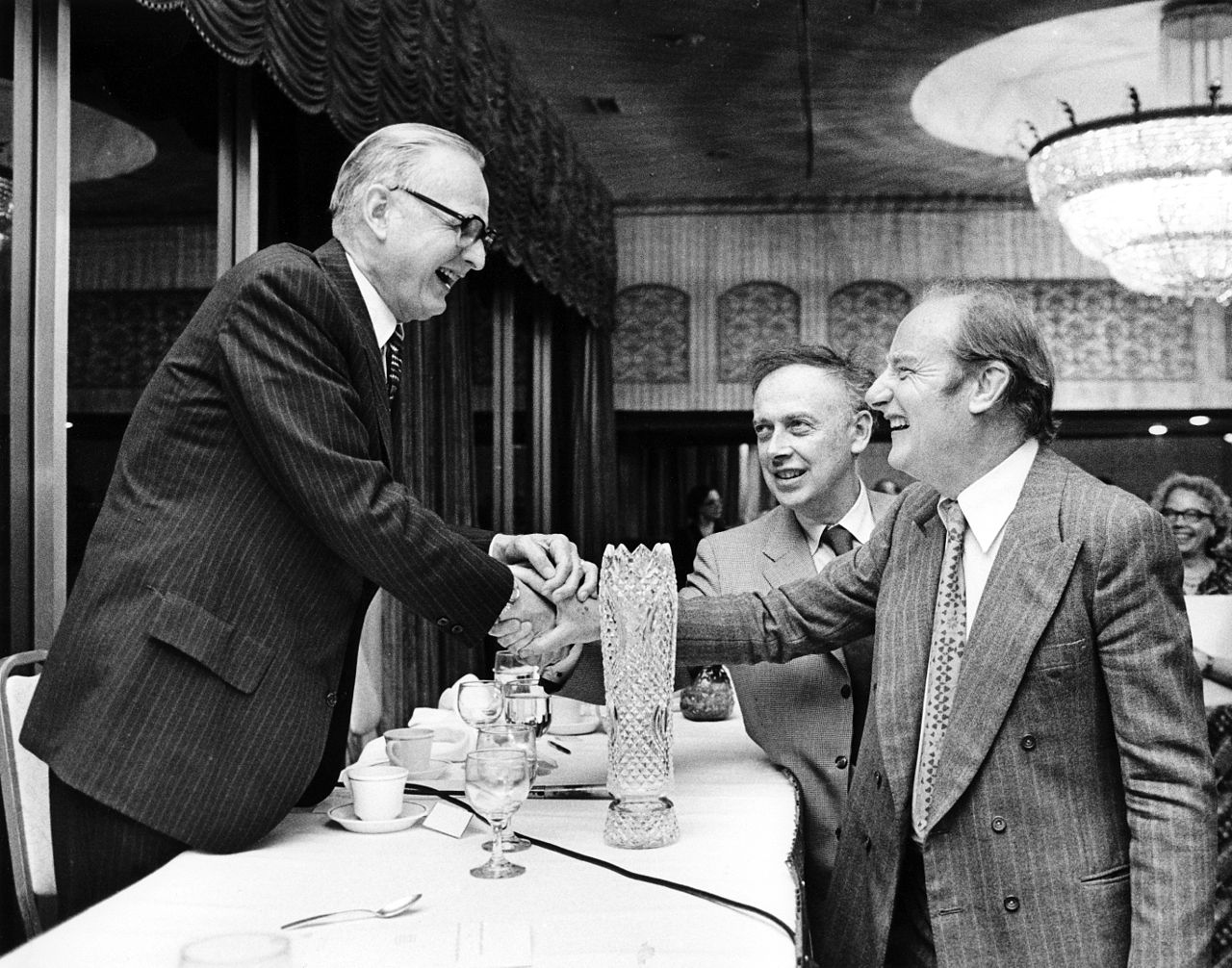
Avery–MacLeod–McCarty experiment
In a landmark 1944 paper McCarty, with Oswald Avery and Colin MacLeod, published results from experiments on Streptococcus pneumoniae showing that a substance capable of transforming nonvirulent bacteria into virulent strains copurified with what chemists recognized as DNA. By treating bacterial extracts with enzymes that specifically destroyed proteins, RNA or DNA, they showed that only removal of DNA abolished transforming activity. This enzymatic and biochemical approach produced a persuasive argument that the transforming principle was DNA.
Methods and scientific impact
McCarty contributed expertise in isolating macromolecules and in demonstrating that the transforming activity resisted proteases and colocalized with DNA-containing fractions. The work bridged studies of bacteria and the problems of heredity, influencing the growth of modern genetics and biochemistry. It helped to inaugurate the field often called molecular biology and set the stage for subsequent confirmations such as the Hershey–Chase experiment and the elucidation of DNA structure.
Career and later research
McCarty spent much of his career at Rockefeller University, where he continued laboratory studies of pathogenic streptococci and of the molecular basis of bacterial virulence. His later research explored how bacterial components interact with the immune system and how biochemical characterization of pathogens can inform medical understanding of infectious disease. He remained an active voice in scientific retrospectives on the origins and early development of molecular biology.
Reception, controversy and acceptance
At the time the idea that DNA carried genetic information was controversial because proteins were thought more chemically complex and better suited to carry coded information. The Avery–MacLeod–McCarty results were initially met with skepticism by some, but high-quality biochemical evidence, replication by other groups, and later complementary experiments gradually persuaded the scientific community. The episode is often cited as an example of careful experimental design shifting scientific consensus.
Honors and legacy
McCarty was the youngest and longest-surviving member of the Avery–MacLeod–McCarty team. He received several honors later in life, including the Wolf Prize in Medicine in 1990, and his work is routinely discussed in histories of 20th-century biology as a turning point toward nucleic-acid-centered genetics. McCarty died on January 2, 2005, from congestive heart failure, leaving a legacy of rigorous biochemical demonstration that shaped modern molecular genetics.
- Biographical profiles and obituaries recall his collaborative role and methodological skill.
- Primary sources and analyses of the DNA transformation experiments remain important teaching examples.
- Historical discussions often contrast early protein-centric theories with nucleic-acid-based explanations.
- Overviews of bacterial genetics and bacteria-based approaches to heredity place the work in broader context (heredity, genetics).
- Reviews of techniques and the rise of biochemistry and molecular biology discuss methodological advances associated with this period.
For readers seeking deeper historical context, consult historical reviews, collections of primary papers, institutional archives and memorial notices that summarize McCarty's contributions and the subsequent trajectory of molecular genetics. Additional material and retrospective commentary are available through institutional and scholarly resources referenced here: gene studies, heredity overview, and archival remembrances noted at genetics history and biochemistry techniques.
Questions and answers
Q: Who was Maclyn McCarty?
A: Maclyn McCarty was an American geneticist known for proving that DNA was the chemical basis of the gene.
Q: What was McCarty's area of study?
A: McCarty devoted his life to studying infectious disease organisms and conducted important studies of bacteria, which led the way to studying genetics and biochemistry.
Q: What is the Avery-MacLeod-McCarty experiment?
A: The Avery-MacLeod-McCarty experiment was a landmark study that demonstrated DNA, not protein, was the chemical basis of the gene.
Q: What is molecular biology, and how did McCarty contribute to its development?
A: Molecular biology is the study of biological activity at the molecular level. McCarty's studies of bacteria and his work on the Avery-MacLeod-McCarty experiment helped lay the foundation for molecular biology.
Q: What was McCarty's most significant contribution to the field of genetics?
A: McCarty's most significant contribution was his role in proving that DNA, not protein, was the chemical basis of the gene.
Q: What is the Wolf Prize in Medicine, and when did McCarty win it?
A: The Wolf Prize in Medicine is an international award recognizing achievements in medicine. McCarty won the prize in 1990.
Q: How did Maclyn McCarty die?
A: Maclyn McCarty died on January 2, 2005, from congestive heart failure.
Related articles
Author
AlegsaOnline.com Maclyn McCarty: bacterial genetics and the discovery of DNA as hereditary material Leandro Alegsa
URL: https://en.alegsaonline.com/art/125638