
Bobby Robson: English player, manager and footballing statesman
English footballer and manager Sir Bobby Robson (1933–2009) played nearly 600 games, earned 20 England caps, and built a distinguished managerial career including Ipswich, England (1982–1990) and Newcastle United.
Sir Robert William "Bobby" Robson (18 February 1933 – 31 July 2009) was an English professional football player and manager whose influence on the game extended from the post‑war era into the 21st century. A winger and forward in his playing days, Robson made almost 600 senior appearances, scored more than 100 goals and represented his country, appearing 20 times and scoring four goals for the England national team. Later he became one of the best‑known English managers of his generation.
Image gallery
4 Images


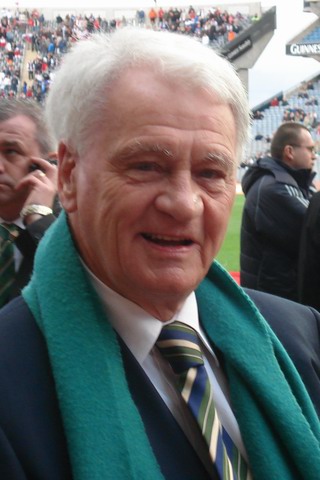
Playing career and early life
Robson began his career as an attacking player and earned a reputation for work ethic and technical skill. During his long playing career he featured regularly for club sides and won selection for England, balancing club commitments with national duty. Contemporary reports and later retrospectives note his consistency and leadership on the pitch, qualities that helped him transition smoothly into coaching and management after retirement from playing.
Managerial career and achievements
After retiring from playing, Robson entered management. He had successful spells in the English league with clubs such as Fulham and Ipswich Town, where his teams combined attractive football with competitive results. His time at Ipswich produced memorable cup runs and strong league performances, raising the profile of a provincial club in domestic and European competition.
Robson was appointed manager of the England team in 1982 and led the national side through two World Cup cycles. His England team reached the semi‑finals of the 1990 World Cup, a campaign that remains one of the country's best modern tournament performances. After his England tenure he worked abroad, managing clubs across Europe, including teams in the Netherlands, Portugal and Spain, before returning to England to take charge of Newcastle United at the end of the 1990s.
Style, reputation and contributions
Robson was widely admired for his tactical knowledge, his ability to nurture young players and his professional demeanour. Managers and players from different countries have praised his willingness to adopt ideas from abroad and to foster team spirit. He received national honours during his lifetime, being appointed a CBE and later receiving a knighthood in recognition of his services to football. His approach combined respect for the traditions of English football with an openness to continental methods.
Illness, legacy and charitable work
In 2007 Robson was diagnosed with lung cancer; the illness was widely reported and described in public statements as terminal. He continued to be involved with the game and with charitable activities while undergoing treatment. His family and supporters established initiatives to raise funds for cancer research and treatment, and the diagnosis and subsequent campaigning helped increase public awareness of the disease. Robson died on 31 July 2009; tributes from across world football honoured his life and work.
Notable facts and distinctions
- Association football figure whose career spanned player and managerial roles.
- Nearly 600 club appearances and more than 100 career goals as a player.
- 20 caps and four goals for England.
- Managed in England and abroad, including spells related to clubs and competitions in the Netherlands, Portugal and Spain.
- Returned to manage Newcastle United in 1999 and remained a public figure in English football.
- Publicly announced health battles: initial public reports and media coverage used anchors such as lung cancer and later descriptors like terminal.
For further reading and biographies, consult dedicated profiles and archives that document Robson's playing statistics, managerial record and personal story; many of these resources compile match records, interviews and contemporary accounts to trace the career of one of England's best‑known footballing figures. More on his career and influence is collected in specialist football histories and commemorative volumes.
Additional references and archived materials can be found through club histories and national team records; researchers often use club archives, national association records and contemporary reporting to reconstruct the finer details of matches, selections and honours associated with Robson. See also club pages and documentary collections for extended timelines and match lists represented in international and domestic competitions. World Cup history and tournament summaries record England’s progress under his stewardship, while football foundations and memorials preserve aspects of his legacy. Ipswich Town and other clubs maintain dedicated retrospectives, as do supporters’ organisations and historical projects that document his long service to the sport. Fulham and several European clubs also retain archives and tributes.
Questions and answers
Q: Who is Bobby Robson?
A: Bobby Robson was an English association footballer and manager.
Q: How many games did Bobby Robson play as a footballer?
A: Bobby Robson played almost 600 games as a footballer.
Q: Did Bobby Robson play for the England national team?
A: Yes, Bobby Robson played for the England national team.
Q: How many goals did Bobby Robson score for the England national team?
A: Bobby Robson scored four goals in 20 games for the England national team.
Q: How long did Bobby Robson manage the England national football team?
A: Bobby Robson managed the England national football team for eight years, from 1982 to 1990.
Q: Which year did Bobby Robson lead England to the semi-finals of the World Cup?
A: Bobby Robson led England to the semi-finals of the World Cup in 1990.
Q: When did Bobby Robson pass away?
A: Bobby Robson passed away in 2009 after being diagnosed with terminal lung cancer in 2007.
Tags
Related articles
Author
AlegsaOnline.com Bobby Robson: English player, manager and footballing statesman Leandro Alegsa
URL: https://en.alegsaonline.com/art/12562
Sources
- news.bbc.co.uk : "Football legend Robson dies at 76"
- news.bbc.co.uk : "Robson: Dream to manage Newcastle"
- fulhamfc.com : "Bobby Robson"
- tmwmtt.com : "Bobby Robson"
- news.bbc.co.uk : "1978 - Osbourne's year"
- uefa.com : "Ipswich thankful for Thijssen"
- nufc.premiumtv.co.uk : "Sir Bobby Robson (1999-2004)"
- news.bbc.co.uk : "World Cup history - Mexico 1986"
- news.bbc.co.uk : "World Cup history - Italy 1990"
- soccernet.espn.go.com : "Sir Bobby Robson"
- footballderbies.com : "SPORTING LISBON - PORTO"
- fcbarcelona.com : "Managers - Bobby Robson (1996-97)"
- news.bbc.co.uk : "Bobby Robson returns to PSV"
- news.bbc.co.uk : "Robson takes Newcastle hotseat"
- news.bbc.co.uk : "Newcastle force Robson out"