
Lucy Webb Hayes
Lucy Webb Hayes (1831–1889), First Lady of the United States (1877–1881), remembered for her temperance stance, wartime nursing, charitable work, and for reshaping social life at the White House.
Overview
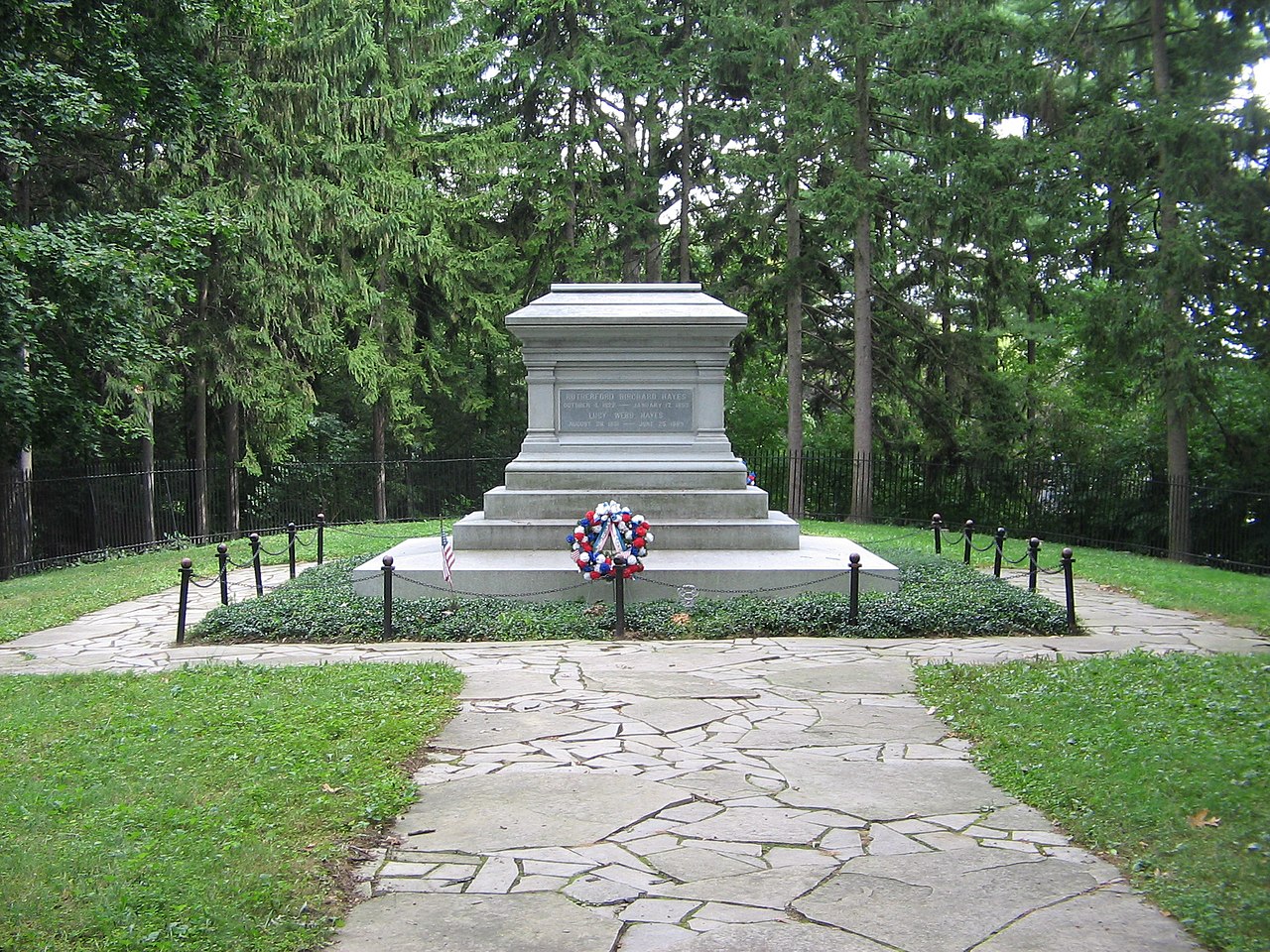
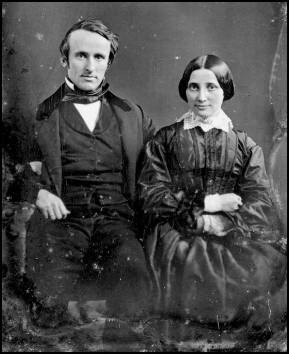
Lucy Ware Webb Hayes (August 28, 1831 – June 25, 1889) was the wife of President Rutherford B. Hayes and served as First Lady of the United States from 1877 to 1881. She is widely remembered by the sobriquet "Lemonade Lucy" for her preference for non‑alcoholic refreshments at official functions, and for guiding the social tone of the White House during her husband's term.
Image gallery
7 Images


Background and early service
Raised in a family with strong moral and civic commitments, Lucy Hayes took an active role in public life before and during her time in Washington. During the Civil War she was involved in wartime relief efforts and nursing support for wounded soldiers, a common form of female public service in that era. Those experiences shaped her interest in veterans' welfare and charitable causes after the war.
Role in the White House
As hostess, Lucy Hayes sought to make the presidential household welcoming while reflecting her personal values. She favored serving lemonade and other nonalcoholic drinks at receptions, a practice that inspired her enduring nickname. Historical sources differ on whether a formal prohibition on alcohol was imposed for all events, but her personal refusal to serve liquor became a notable feature of the Hayes administration. She also relaxed certain ceremonial restrictions, allowing greater public access to the grounds for family and children.
Causes and public activities
Lucy supported educational and charitable ventures and used her position to raise awareness of veterans' needs and family relief programs. She was sympathetic to efforts to expand opportunities for women and girls in education, and she lent moral backing to reform-minded social movements of the period. One popular anecdote credits her with helping to shape the early tradition of the White House Easter event for children.
- Nickname: "Lemonade Lucy" linked with temperance and sobriety — see temperance context.
- Active in wartime relief and veterans' welfare.
- Influenced White House hospitality and public access to the grounds — see White House social history.
Legacy
Lucy Webb Hayes died in 1889, but she is remembered for shaping the role of First Lady as a combination of hostess, moral exemplar, and informal social reformer. Her choices about hospitality and public engagement left a distinct impression on how subsequent occupants balanced private life and public duties in the executive mansion.
Questions and answers
Q: Who is Lucy Webb Hayes?
A: Lucy Webb Hayes was a First Lady of the United States and the wife of President Rutherford B. Hayes.
Q: What was Lucy Webb Hayes' nickname?
A: Lucy Webb Hayes was nicknamed "Lemonade Lucy."
Q: What was Lucy Webb Hayes' stance on serving alcohol in the White House?
A: Lucy Webb Hayes did not serve alcohol in the White House.
Q: When was Lucy Webb Hayes born and when did she die?
A: Lucy Webb Hayes was born on August 28, 1831, and died on June 25, 1889.
Q: Who was Lucy Webb Hayes married to?
A: Lucy Webb Hayes was married to President Rutherford B. Hayes.
Q: Why was Lucy Webb Hayes called "Lemonade Lucy"?
A: Lucy Webb Hayes was called "Lemonade Lucy" because she did not serve alcohol in the White House.
Q: What was Lucy Webb Hayes' role as the First Lady of the United States?
A: As the First Lady of the United States, Lucy Webb Hayes was expected to fulfill ceremonial duties and promote social causes.
Related articles
Author
AlegsaOnline.com Lucy Webb Hayes Leandro Alegsa
URL: https://en.alegsaonline.com/art/125486