
Louis Bonaparte: King of Holland and Brother of Napoleon
Louis Bonaparte (1778–1846), brother of Napoleon I, reigned as King of Holland (1806–1810). A soldier and reluctant monarch, he sought to protect Dutch interests and became ancestor of Napoleon III.
Louis Bonaparte (born 1778, died 1846) was a younger brother of Napoleon Bonaparte who served as King of the Kingdom of Holland from 1806 until his abdication in 1810. Known in Dutch as Lodewijk Napoleon, he combined a career as a Revolutionary-era officer with a brief, sometimes contentious, period as a client monarch. He later spent much of his life in Italy after leaving the throne and remains notable for his attempts to balance loyalty to his brother with a genuine concern for the Dutch realm.
Image gallery
6 Images


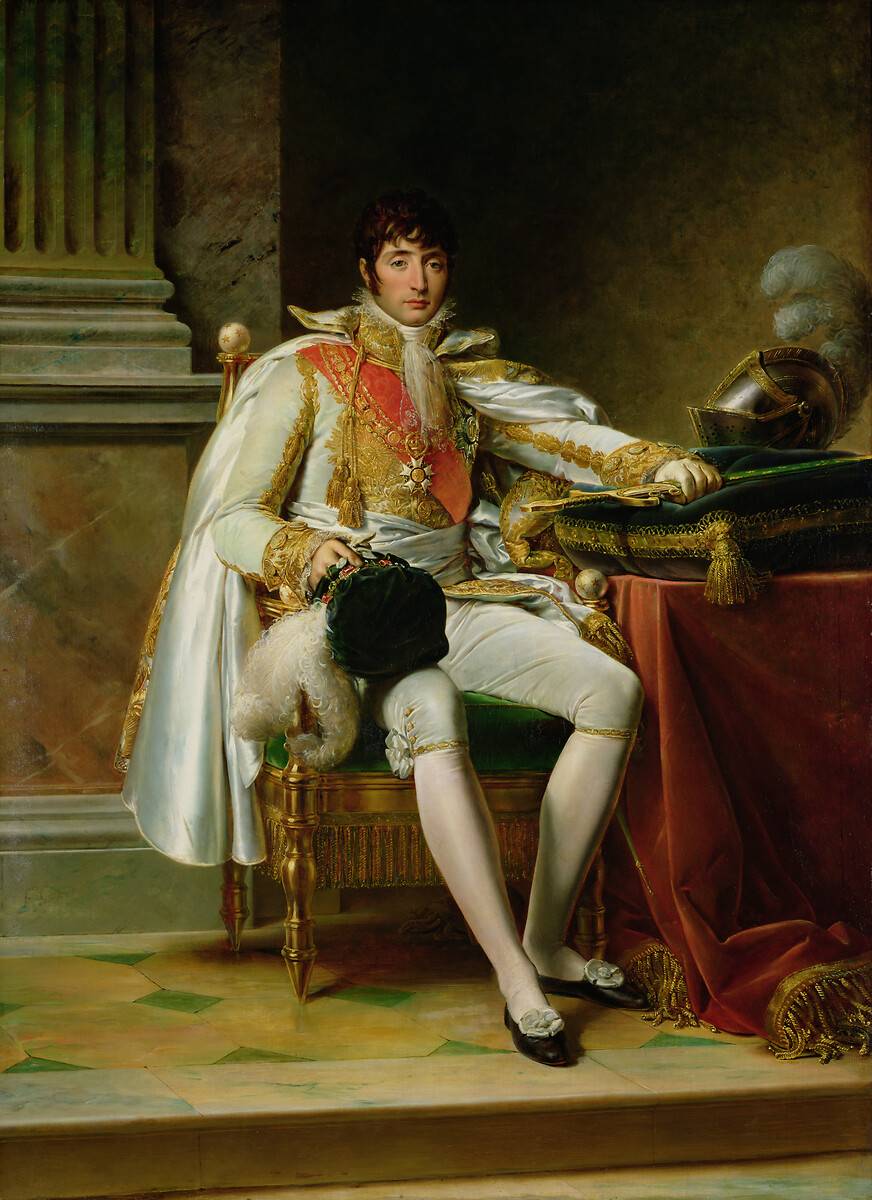
Early life and military service
Louis took part in several of the campaigns associated with his brother's rise. He served in the Italian campaign of 1796–97 and was also present in the expedition to Egypt in 1798–99. These experiences shaped his reputation as a capable officer of the Revolutionary and Napoleonic eras before he was placed on a European throne as part of Napoleon's policy of creating allied monarchies.
Reign in Holland (1806–1810)
In 1806 Napoleon installed Louis as the ruler of the newly formed Kingdom of Holland, styling him as king (King). Unlike some puppet rulers, Louis sought to learn Dutch and to administer the kingdom with an eye toward local needs. He adopted certain elements of Dutch customs and attempted to protect Dutch shipping and civil institutions from direct French domination.
Conflict with Napoleon and abdication
Louis's independent actions frequently frustrated Paris. When he resisted policies that would integrate Holland more completely into the French economic and military system, Napoleon reacted by increasing pressure on the kingdom and ultimately by sending troops. Under rising tension and growing occupation, Louis abdicated in 1810 and went into exile, later living largely in Italy.
Legacy and family
Louis's reign is remembered for its relatively sympathetic approach to Dutch affairs amid the larger Napoleonic system. He married Hortense de Beauharnais and his children played notable roles in 19th-century European politics; one of his sons later became Emperor Napoleon III of the French. His life illustrates the tensions between family loyalty, personal conviction and the geopolitical aims of Napoleonic France.
Questions and answers
Q: Who was Louis Bonaparte?
A: Louis Bonaparte was the younger brother of Napoleon Bonaparte.
Q: What was Louis Bonaparte's title in 1806?
A: In 1806, Louis Bonaparte was made the King of the Kingdom of Holland by his brother Napoleon Bonaparte.
Q: What happened when Louis Bonaparte disagreed with Napoleon's policies?
A: When Louis Bonaparte disagreed with Napoleon's policies, Napoleon dispatched troops against Holland.
Q: When did Louis Bonaparte abdicate?
A: Louis Bonaparte abdicated in 1810.
Q: Where did Louis Bonaparte live after his abdication?
A: After his abdication, Louis Bonaparte lived most of the remainder of his life in Italy.
Q: Did Louis Bonaparte serve with his brother in any military campaigns?
A: Yes, Louis Bonaparte served with his brother in the Italian campaign of 1796–97 and in Egypt in 1798–99.
Q: What was Louis Bonaparte's Dutch name?
A: Louis Bonaparte's Dutch name was Lodewijk Napoleon.
Related articles
Author
AlegsaOnline.com Louis Bonaparte: King of Holland and Brother of Napoleon Leandro Alegsa
URL: https://en.alegsaonline.com/art/125370