
List of women linguists: scope, organization, and significance
Overview and guidance for compiling lists of women linguists: inclusion criteria, organization by country and specialization, historical context, notable examples, and distinctions from related professions.
The phrase "list of women linguists" refers to a compiled register of scholars who are professionally trained in linguistics and who identify as women. Linguistics itself is the scientific study of language, including its structure, variation, meaning, acquisition, history and use. A list of women linguists typically concentrates on those whose primary contributions are research, teaching, or applied scholarship in natural language science rather than on language hobbyists or nonacademic practitioners.
Image gallery
10 Images





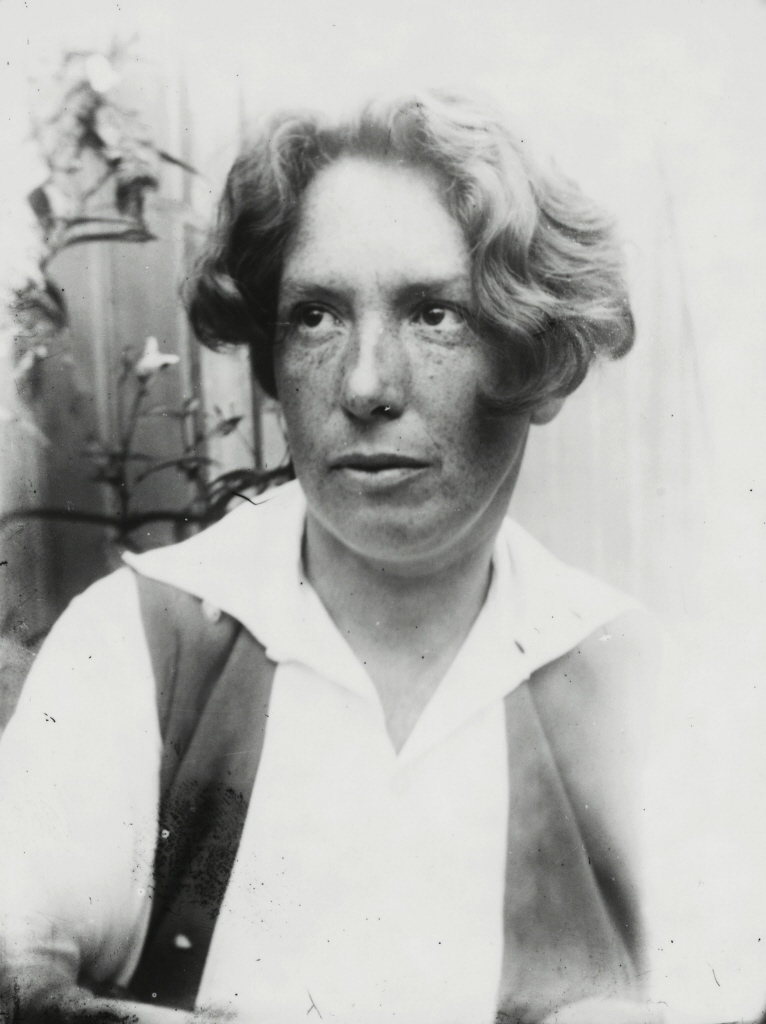
Inclusion criteria
Clear criteria help make such lists useful and comparable. Typical requirements include: formal training or academic appointment in linguistics; published research in peer-reviewed venues or books; recognized contributions to areas such as phonetics, syntax, semantics, sociolinguistics, historical linguistics, psycholinguistics, computational linguistics, or field documentation. The list usually excludes polyglots, prescriptive grammarians, translators and interpreters unless those individuals also have demonstrable scholarly work in linguistics.
Ways to organize a list
- By country or region of origin or activity, to highlight national traditions and language documentation efforts.
- By subfield (e.g., phonology, morphology, syntax, semantics, sociolinguistics).
- By historical period or generation, to show changing representation over time.
- Alphabetically or by institutional affiliation for ease of lookup.
Many compilers combine these approaches: a national grouping with subheadings for disciplines, for example. Careful use of sources and short biographical notes improves reliability and usefulness.
History and significance
Women have contributed to linguistics since the modern discipline emerged, but their presence in formal academic positions and in the historical record has often been underrepresented. Compiled lists serve several purposes: they document scholarly achievement, support research on diversity in the profession, and provide role models for students. Such lists also illuminate work that may have been overlooked in mainstream narratives.
Notable examples and distinctions
Well-known women linguists who illustrate the field's range include scholars such as Deborah Tannen (sociolinguistics and discourse), Anna Wierzbicka (semantics and cross-cultural pragmatics), Mary Haas (field linguistics and Native American languages), Suzanne Romaine (sociolinguistics), Joan Bybee (morphology and usage-based theory) and Barbara Partee (formal semantics). These names are examples of academics whose careers are primarily within linguistics rather than purely language teaching or translation.
When consulting or creating such a list, users should verify inclusion with reliable sources, provide brief descriptions of each entry's specialization, and note primary language areas or notable publications. For introductory material on the discipline and accepted standards for inclusion, see general references on linguistics.
Questions and answers
Q: What is the list about?
A: The list is about women linguists listed by their country of origin.
Q: What do linguists study?
A: Linguists study linguistics, which is the study of natural languages.
Q: Who is not included in the list?
A: Polyglots, grammarians, or language professionals such as translators or interpreters are not included in the list.
Q: Why are polyglots not included in the list?
A: Polyglots are fluent in several languages but they are not necessarily studying linguistics.
Q: Who are grammarians?
A: Grammarians are experts on prescriptive grammar.
Q: What is the difference between prescriptive and descriptive grammar?
A: Prescriptive grammar is a set of rules for how a language "should" be used, while descriptive grammar describes how a language is actually used.
Q: What is the scope of the study in the list of women linguists?
A: The scope of the study in the list of women linguists pertains to the study of natural languages.
Related articles
Author
AlegsaOnline.com List of women linguists: scope, organization, and significance Leandro Alegsa
URL: https://en.alegsaonline.com/art/125230