
List of rivers of Kenya
An organized overview of Kenya’s principal rivers and streams, grouped by drainage basin, with notes on geography, uses, history and conservation.
This article provides an overview and selected listing of the principal streams and rivers of Kenya. Kenya’s rivers arise on highlands such as Mount Kenya and the Aberdare Range, flow to different drainage destinations (Indian Ocean, Lake Victoria, Lake Turkana, or inland swamps) and vary from perennial waterways to seasonal streams in arid zones.
Image gallery
2 Images
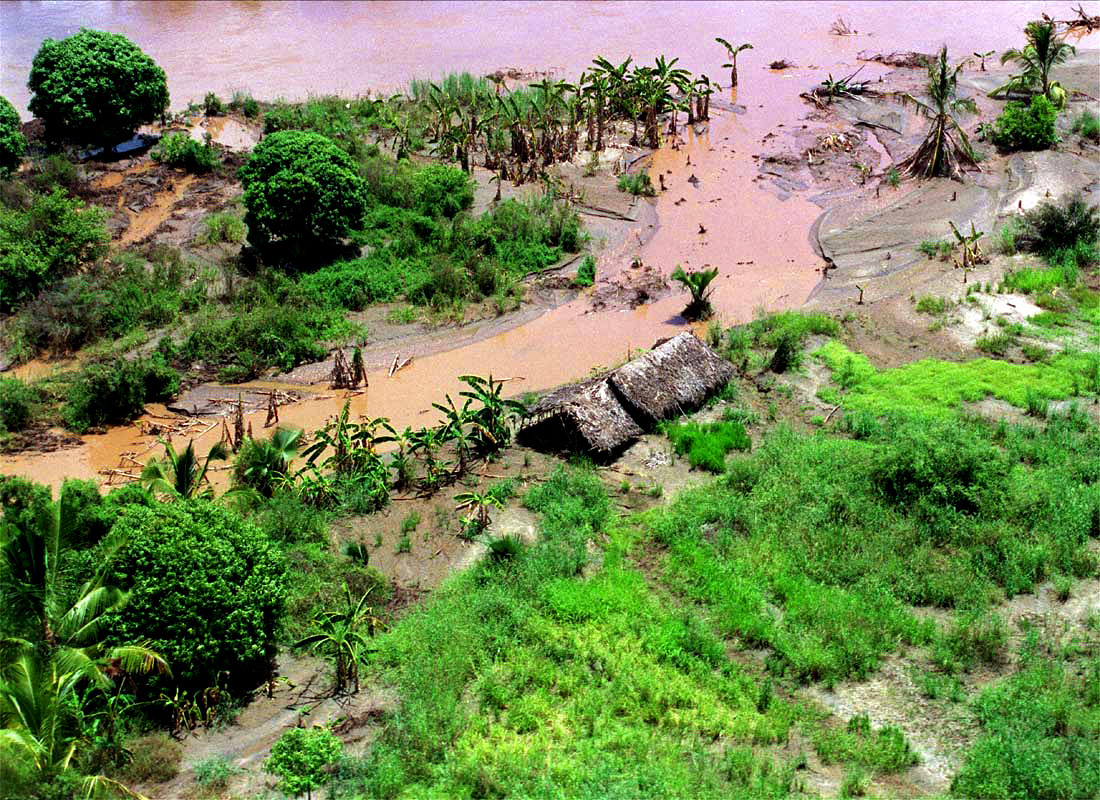
Characteristics and drainage basins
Kenyas rivers are best understood by their drainage basins. Coastal rivers flow east to the Indian Ocean; western rivers empty into Lake Victoria; northern and northwestern rivers drain toward Lake Turkana or join internal swamp systems. Many rivers are fed by mountain rainfall and snowmelt, while others are seasonal, influenced by the bimodal rains.
Notable rivers by basin
- Indian Ocean basin: Tana River (the country’s longest and a major hydroelectric and irrigation source), Athi–Galana–Sabaki system (flows across central Kenya to the coast), Ramisi, Voi.
- Lake Victoria basin: Nzoia, Yala, Sondu Miriu, Nyando, Gucha (Kuja), Migori and the Mara (famous for the Maasai Mara/Serengeti wildlife crossings).
- Lake Turkana and Rift Valley: Kerio, Turkwel and other north-flowing rivers that feed into Lake Turkana or join seasonal rift valley lakes and swamps.
- Internal and ephemeral waterways: Ewaso Ng’iro (often cited as the northern Ewaso Ng’iro), seasonal streams that sustain dryland communities and wetlands such as the Lorian Swamp.
Uses and historical importance
Rivers in Kenya supply water for drinking, irrigation, hydropower and domestic use. The Tana River hosts several dams and reservoirs that contribute substantially to national electricity generation and downstream irrigation projects. Rivers such as the Mara also have strong cultural and ecological importance because of their role in wildlife migrations and local livelihoods.
Conservation, management and challenges
Major challenges include water abstraction for agriculture, pollution from settlements and industry, deforestation in catchments, and variability in rainfall linked to climate change. Transboundary and inter-regional water management, protection of wetlands and sustainable allocation are ongoing policy priorities to preserve river flows and associated ecosystems.
This list is a starting point for understanding Kenya’s river systems and their roles. For detailed maps, local names and tributary networks see cartographic and hydrological sources linked to national and regional databases.
Questions and answers
Q: What is the subject matter of the given text?
A: The subject matter of the given text is a list of streams and rivers in Kenya.
Q: How many rivers are included in the list?
A: The given text does not mention any specific number of rivers and streams included in the list.
Q: What is the purpose of the list?
A: The purpose of the list is to provide information about the streams and rivers of Kenya.
Q: Are the rivers listed alphabetically?
A: Yes, the rivers are listed alphabetically under corresponding alphabetical alphabets.
Q: Are all the rivers in Kenya included in the list?
A: There is no information provided in the given text to confirm if all the rivers in Kenya are included on the list.
Q: Is there any information provided for each river listed?
A: No, the given text does not provide any information or description of each river listed.
Q: Is there any other kind of information included in the list?
A: No, the only information provided in the list is the name of each river or stream.
Related articles
Author
AlegsaOnline.com List of rivers of Kenya Leandro Alegsa
URL: https://en.alegsaonline.com/art/125029