
List of rivers of Bosnia and Herzegovina
Overview and organized list of Bosnia and Herzegovina's rivers, their drainage basins, karst characteristics, uses, and notable facts about major waterways and tributaries.

Rivers are a defining feature of Bosnia and Herzegovina's landscape, carving valleys, feeding plains and supplying water to towns and ecosystems. The country's rivers belong mainly to two international basins: those that drain to the Black Sea through the Sava and Danube systems, and those that flow to the Adriatic Sea. Rivers range from fast mountain streams to broad lowland channels and include distinctive karstic waterways that disappear and reappear through underground passages.
Image gallery
5 Images

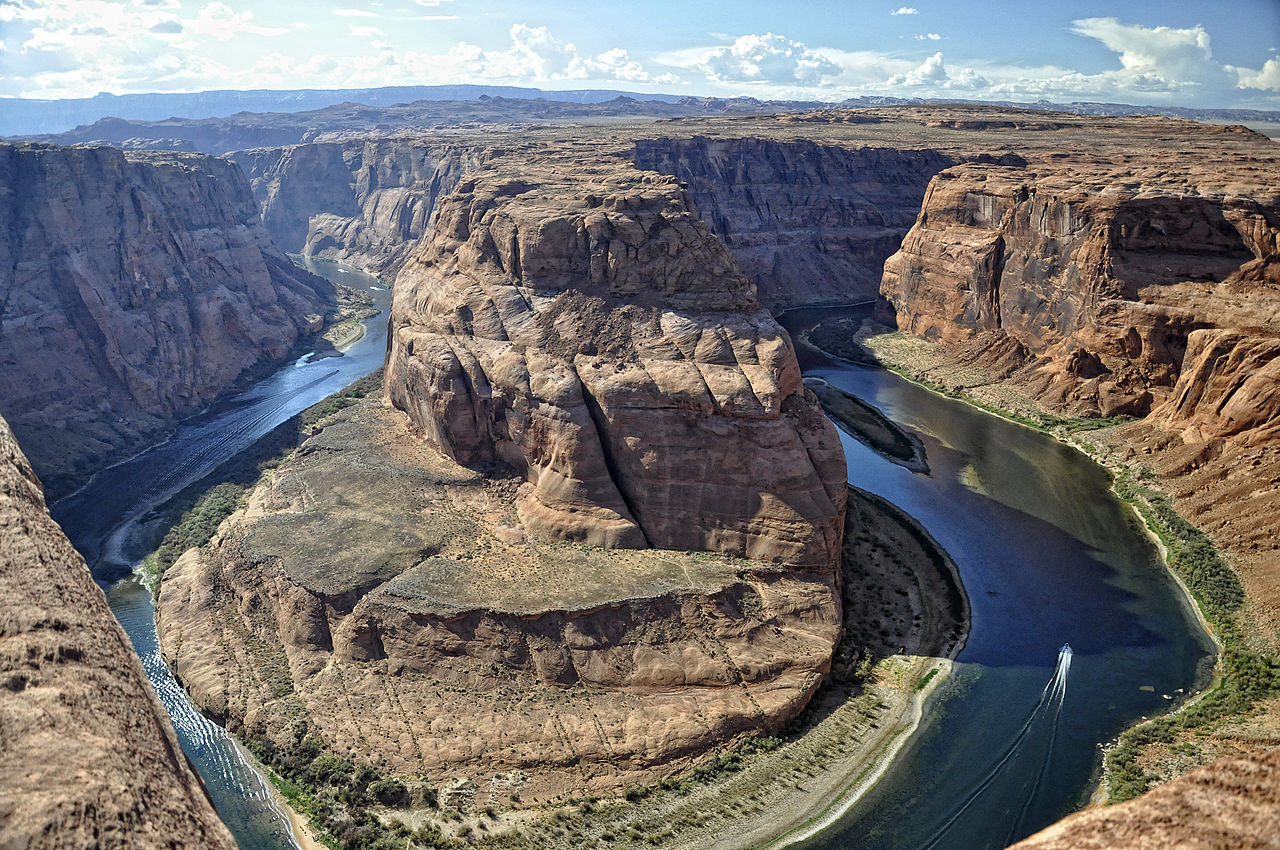


Major drainage basins and notable rivers
- Danube / Sava (Black Sea) basin: Sava (northern border), Bosna (central), Drina (eastern border tributary of the Sava), Vrbas, Una, Sana.
- Adriatic basin: Neretva (largest Adriatic river in the country), Trebišnjica, Buna, Bregava, Čapljina tributaries.
Many important rivers are accompanied by well-known tributaries and local streams. The Miljacka runs through Sarajevo, the Vrbas through Banja Luka, and the Neretva passes Mostar. Trebišnjica is notable for its karst behaviour and human regulation. The Drina and Sava are significant for forming or following international borders.
Karst geology strongly influences hydrology across much of the country, especially in Herzegovina and parts of central Bosnia. Springs, sinking streams (ponors), underground channels and seasonal estavelles are common. This produces rivers with variable flows, subterranean reaches and dramatic springs such as the sources of the Una and the Buna.
Human use of rivers is varied: they supply drinking water, irrigation and industrial needs; support fisheries; and serve as sites for recreation such as rafting and angling. Hydropower development — dams and reservoirs — has been significant since the 20th century, altering flows and creating reservoirs used for electricity and flood control, while also raising environmental and social concerns.
Historically, rivers shaped settlement patterns, trade routes and political boundaries. Today many are transboundary, requiring cross-border cooperation on water management, pollution control and conservation. Bosnia and Herzegovina's river network remains ecologically and culturally important, with many smaller tributaries and seasonal watercourses contributing to the country's diverse freshwater landscapes.
Questions and answers
Q: What is this text about?
A: This text is about a list of rivers in Bosnia and Herzegovina.
Q: How are the rivers ordered?
A: The rivers are ordered by letter.
Q: Is there any other information provided besides the list of rivers?
A: No, only the list of rivers is provided.
Q: Are all of the rivers in Bosnia and Herzegovina listed here?
A: It is unclear if all of the rivers in Bosnia and Herzegovina are listed here.
Q: What countries make up Bosnia and Herzegovina?
A: Bosnia and Herzegovina consists of two constituent countries, Bosnia and Herzegovina.
Q: Does this list include any other geographical features besides rivers? A: No, only rivers are included on this list.
Related articles
Author
AlegsaOnline.com List of rivers of Bosnia and Herzegovina Leandro Alegsa
URL: https://en.alegsaonline.com/art/124977