
List of Renaissance artists
Overview and organized guide to major Renaissance painters, sculptors, architects, and printmakers, with context on origins, characteristics, regional schools, and notable examples.
Overview
The Renaissance was a long cultural movement that began in Italy in the late 14th century and spread across Europe over the next two centuries. This article describes how lists of Renaissance artists are commonly organized, what distinguishes their work, and offers representative names and works. For a chronological or geographic framework see Renaissance timeline.
Image gallery
10 Images





Defining characteristics
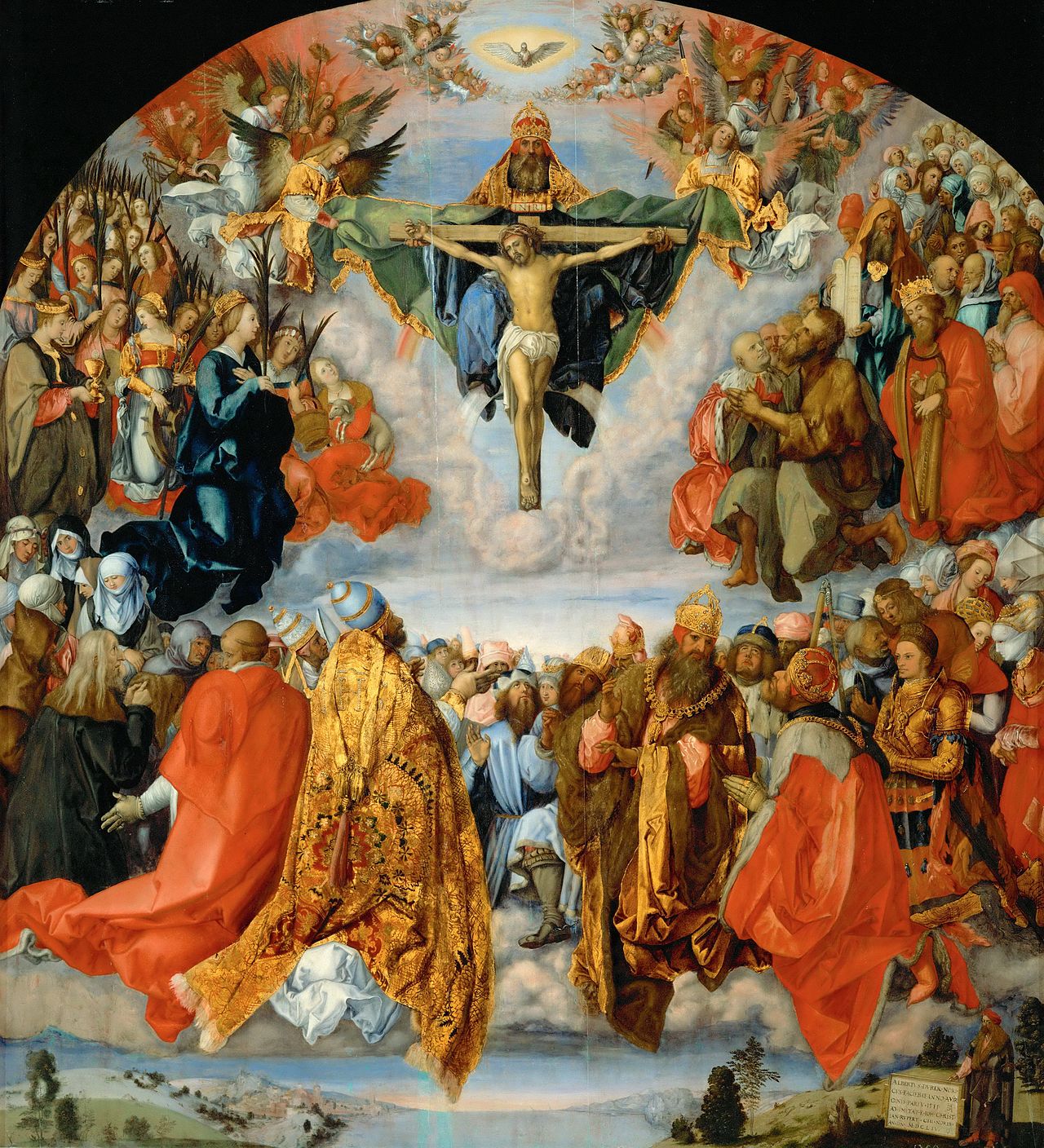
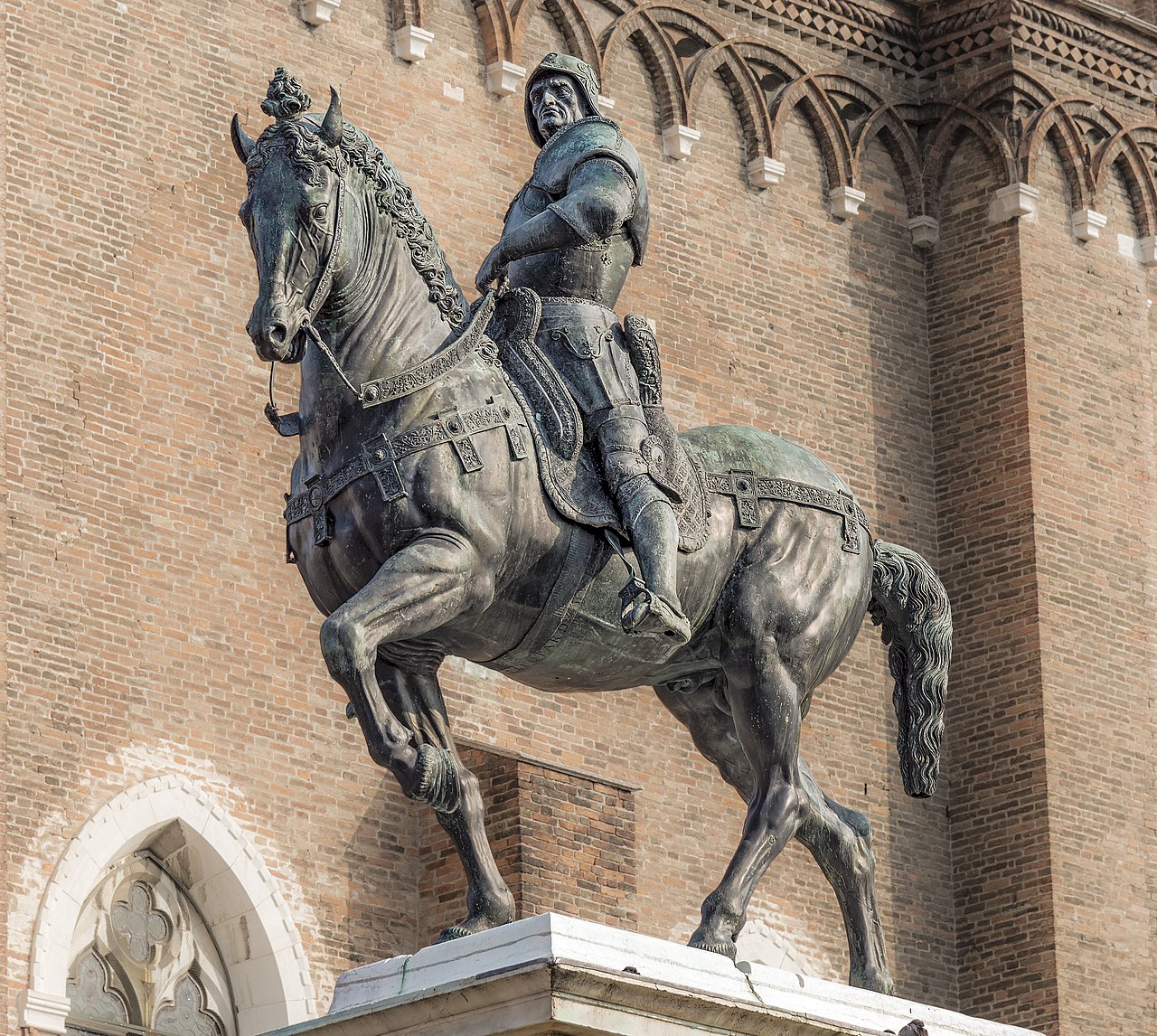
Artists associated with the Renaissance emphasized naturalism, study of anatomy, linear perspective, light and shadow, and renewed interest in classical antiquity. They worked in several media — fresco, panel painting, oil on canvas, marble and bronze sculpture, printed engravings — and often combined multiple disciplines such as painting, architecture, engineering and scientific observation. Technical developments, like the adoption of oil paint and advances in printmaking, accelerated the dissemination of styles and ideas (media and techniques).
Organization of a list
Comprehensive lists are usually arranged by region (Italian, Northern, Iberian), by chronological phase (Early/Proto-Renaissance, High Renaissance, Late/ Mannerist), or by medium (painters, sculptors, architects, printmakers). Individual entries typically include birth and death dates, places of work, principal media, iconic works and major collections where works can be seen. For guidance on creating individual entries, consult common cataloging approaches for artist records.
Representative artists and notable works
- Italy (Florence, Rome, Venice): Giotto (early naturalism), Donatello (sculpture), Masaccio (early perspective), Botticelli (The Birth of Venus), Leonardo da Vinci (Mona Lisa, The Last Supper), Michelangelo (David, Sistine Ceiling), Raphael (The School of Athens), Titian (Venetian colourist).
- Northern Europe: Jan van Eyck (panel oil painting, Arnolfini Portrait), Albrecht Dürer (prints, woodcuts), Hans Holbein the Younger (portraits), Pieter Bruegel the Elder (peasant scenes).
History and context
The movement emerged from city-states such as Florence, where wealthy patrons, guilds and families like the Medici supported workshops and commissions. As ideas moved northward, local traditions and materials produced distinct Northern styles, often with greater attention to surface detail and oil techniques. The spread of printed books and engravings helped circulate compositions and motifs between regions.
Importance and distinctions
Lists of Renaissance artists serve several purposes: they help students and curators trace stylistic development, locate works in museum collections, and understand workshop practices and patronage. Distinctions commonly noted in such lists include phase (early vs high), region (Italian vs Northern), and role (master painter vs workshop assistant). For further reading and databases that index artists and their works see curated resources and timelines at related references and catalog portals (timeline, artist records).
Questions and answers
Q: What is the Renaissance period?
A: The Renaissance period started in the late 14th century (~1370) and is characterized by the emergence of famous painters and sculptors.
Q: What information can be found in the list of Renaissance artists?
A: The list of Renaissance artists includes their dates, place of birth, some places they worked, the type of artwork they made (media), one or two famous works, and some art galleries where their works can be viewed.
Q: Who are the Renaissance artists?
A: The Renaissance artists are famous painters and sculptors who emerged in the late 14th century (~1370) and made significant contributions to the art world.
Q: How are the Renaissance artists organized in the list?
A: The Renaissance artists are organized in the list by their names and include information such as dates, place of birth, media, and famous works, among other details.
Q: What is the significance of the Renaissance artists?
A: The Renaissance artists played a critical role in the development and evolution of art during their time and continue to inspire and influence artists today.
Q: Where can one find the works of the Renaissance artists listed in the text?
A: The works of the Renaissance artists listed in the text can be viewed in various art galleries around the world.
Q: Can non-experts also appreciate the works of the Renaissance artists?
A: Yes, non-experts can also appreciate the works of the Renaissance artists, as their works contain themes and motifs that are recognizable and relatable to all.
Related articles
Author
AlegsaOnline.com List of Renaissance artists Leandro Alegsa
URL: https://en.alegsaonline.com/art/124955