
List of Religions and Spiritual Traditions
Survey of religions and spiritual traditions worldwide, outlining major groupings, defining features, historical development, examples, and how lists are organized and used.
This article organizes and explains lists of religions and spiritual traditions. A "list of religions" aims to catalog belief systems, organized faiths, indigenous practices, and new movements that provide shared narratives, values, rituals, or institutions. Because categorization depends on scholarly, cultural, and personal perspectives, any compilation is partial and evolving.
Image gallery
1 Image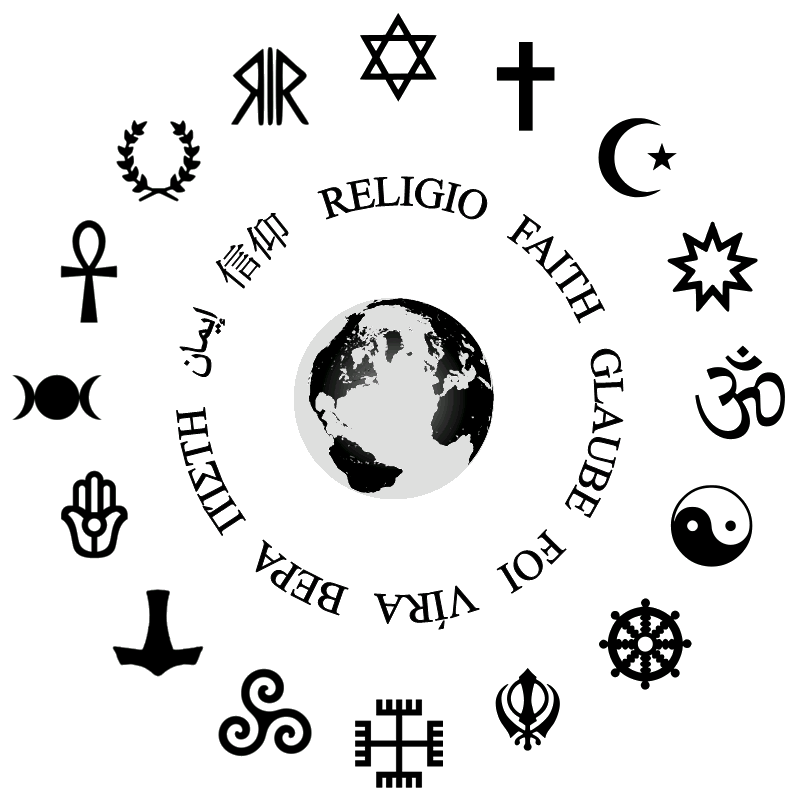
Major groupings
- Abrahamic traditions: e.g., Judaism, Christianity, Islam, and related movements.
- Dharmic traditions: e.g., Hinduism, Buddhism, Jainism, Sikhism.
- East Asian and indigenous systems: e.g., Taoism, Shinto, Confucianism, and local animist practices.
- New religious movements and syncretic faiths: modern or blended traditions emerging from contact and reform.
- Non-religious spiritualities and secular worldviews: forms of spiritual practice or ethical life not centered on theism.
These categories are heuristic; many traditions cross boundaries, and naming conventions differ between regions and scholars. For curated lists and registries see religions catalog or broader compilations of spiritual traditions.
Characteristics and how lists are built
Lists commonly record names, origins, core texts or teachings, major denominations, geographic presence, and approximate historical period. Distinctions often separate beliefs (doctrines), practices (rituals, liturgy), institutions (places of worship, clergy), and communal identity. Some entries are movements, others are rituals or philosophical schools that function religiously for adherents.
Because terms vary across languages and cultures, compilers must decide whether to include local variants, sects, or only broadly recognized traditions. A useful list balances breadth with clear criteria and notes overlap or contested classifications.
Importance and uses
Enumerations of religions serve reference, comparative study, interfaith dialogue, and cultural preservation. They help educators, researchers, and the public understand religious diversity while reminding readers that lived religion often resists tidy lists.
Questions and answers
Q: What is the purpose of the text?
A: The purpose of the text is to provide a list of religions and spiritual traditions.
Q: Is the list complete?
A: No, the list is incomplete.
Q: How can one help in completing the list?
A: One can help in completing the list by adding to it.
Q: Are there any duplicated entries in the list?
A: Yes, some entries are written more than once.
Q: What is the scope of the list?
A: The scope of the list is religions and spiritual traditions.
Q: Is the text suggesting that there are additional religions and spiritual traditions beyond those included in the list?
A: Yes, the text implies that there are more religions and spiritual traditions beyond those listed.
Q: Can anyone contribute to the list?
A: Yes, anyone can contribute to the list by adding to it.
Related articles
Author
AlegsaOnline.com List of Religions and Spiritual Traditions Leandro Alegsa
URL: https://en.alegsaonline.com/art/124954