
Provinces of Japan: historical list, regions and legacy
Historical administrative divisions of Japan from the 7th century through the Meiji reforms. Organized as the Kinai 'five provinces' and the seven circuits; later superseded by modern prefectures.
Overview
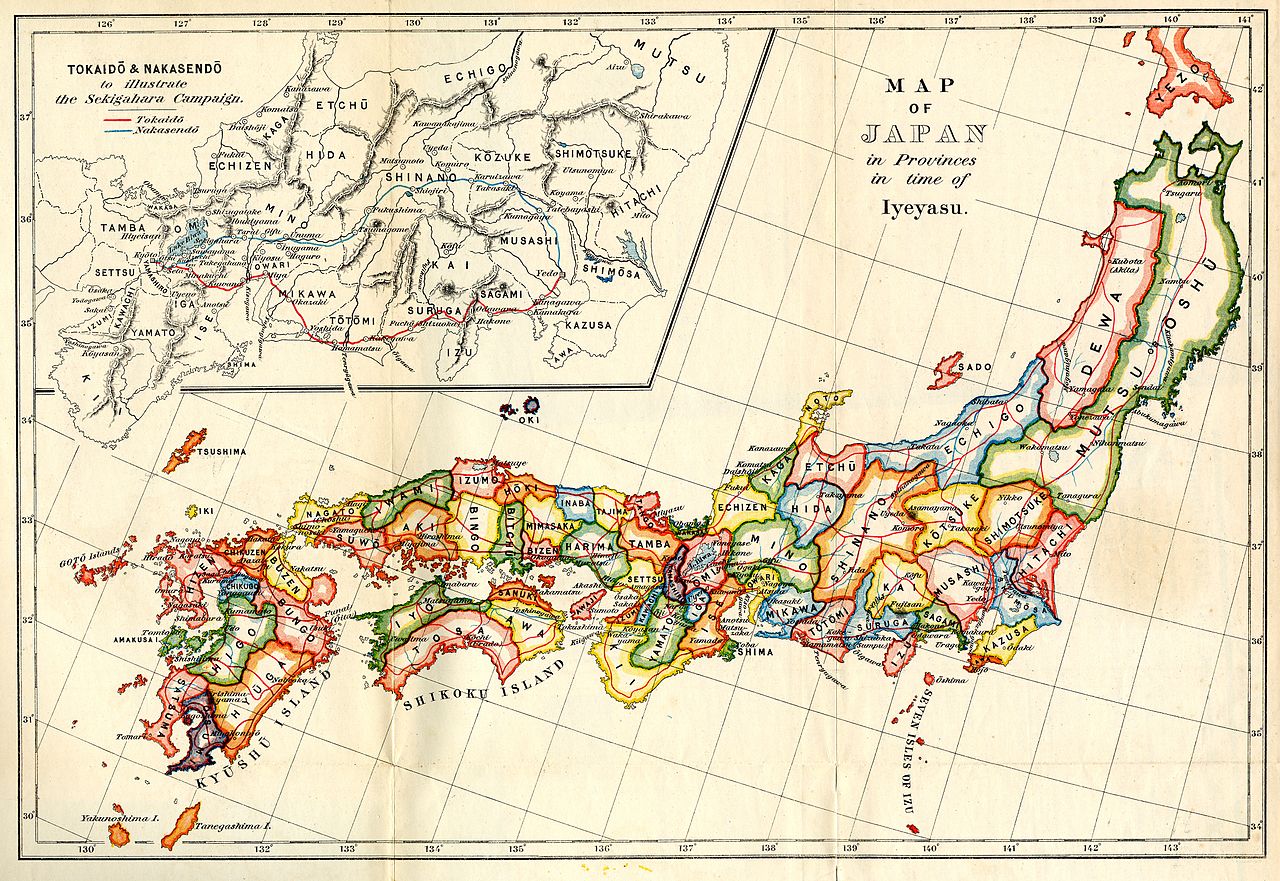
The provinces of Japan (古国, kuni or 国郡制) were traditional territorial units used from the late 7th century until the modernizing reforms of the Meiji era. Their number and boundaries changed across the centuries as the central government reorganized territory for taxation, military conscription, and administration. In the 1870s the provincial framework was replaced by the system of modern Japanese prefectures, but province names continued to survive in culture, maps and local identity.
Image gallery
7 Images




Structure and principal divisions
For administrative and geographic purposes the classical organization was described as Goki-shichidō (五畿七道), commonly translated as “the five provinces and seven circuits.” The five provinces (the Kinai, the capital region) surrounded the ancient capitals, while the seven circuits were broader regional groupings aligned with the main highways and sea routes of the period.
- Kinai (the five provinces): the immediate imperial region around Nara and Kyoto, historically including Yamashiro, Yamato, Kawachi, Settsu and Izumi.
- Seven circuits (Shichidō): Tōkaidō, Tōsandō, Hokurikudō, San'indō, San'yōdō, Nankaidō and Saikaidō — names that combine a direction or route with the suffix -dō (meaning 'road' or 'circuit').
History and evolution
The origins of the provincial system trace to reforms in the Asuka and Nara periods when the early Yamato state and later ritsuryō codes sought to impose central control. Over time, provincial boundaries were altered, new provinces created, and the practical authority of provinces waxed and waned with the rise of regional clans and, later, the feudal domains (han). Throughout the medieval and early modern eras provinces remained important as geographic shorthand even when real power often lay with local daimyō and domain administrations.
Replacement and legacy
In the Meiji Restoration the government abolished the han and reorganized the country into prefectures during the 1870s, completing a transition to a modern centralized state. Although provinces ceased to be units of government, their names and borders persisted in many contexts: historical documents, shrine and temple titles, regional dialects, traditional industries, and place names. Some areas — for example parts of Hokkaidō and the Ryūkyū islands — followed distinct administrative histories and were integrated under new arrangements during the same period.
Why provinces matter today
For historians, geographers and cultural researchers the provinces provide a useful framework for understanding pre-modern Japan: patterns of settlement, road networks, religious organization, and local identity often reflect provincial boundaries. Modern prefectures are the legal successors of that older map, but the layered legacy of provinces remains visible in language, festivals, and the historical record.
Questions and answers
Q: How did the borders and number of provinces in Japan change over time?
A: The number and borders of provinces in Japan changed from the 7th century through the Meiji Period.
Q: When were the provinces in Japan replaced by prefectures?
A: The provinces in Japan were replaced by prefectures in the 1870s.
Q: What was the traditional way of parsing the land of Japan?
A: The traditional way of parsing the land of Japan was "five provinces and seven circuits" (go-shichidō).
Q: What is the meaning of the term go-shichidō?
A: The term go-shichidō means "five provinces and seven circuits" in Japan.
Q: When did the period of Meiji begin in Japan?
A: The period of Meiji began in Japan in 1868, after the end of the Edo period.
Q: How long did the provinces remain the standard form of administration in Japan?
A: The provinces remained the standard form of administration in Japan until the 1870s.
Q: How did the change from provinces to prefectures affect Japan's administrative system?
A: The change from provinces to prefectures in Japan created a more centralized administrative system.
Related articles
Author
AlegsaOnline.com Provinces of Japan: historical list, regions and legacy Leandro Alegsa
URL: https://en.alegsaonline.com/art/124945
Sources
- books.google.com : "Provinces and prefectures"
- books.google.com : "Go-shichidō"