
List of Premier League stadiums
Overview of stadiums that have hosted English Premier League matches, their development since 1992, notable examples, safety changes, temporary venues and distinctions between grounds.
The Premier League has been contested at a wide variety of venues since its first season in 1992–93. Over the decades, dozens of grounds have staged top-flight matches: some are large, modern arenas built or renovated for big crowds, while others are compact, traditional grounds with long local histories. Many stadiums have changed in name, capacity and layout as clubs have pursued safety, comfort and commercial revenue.
Image gallery
10 Images

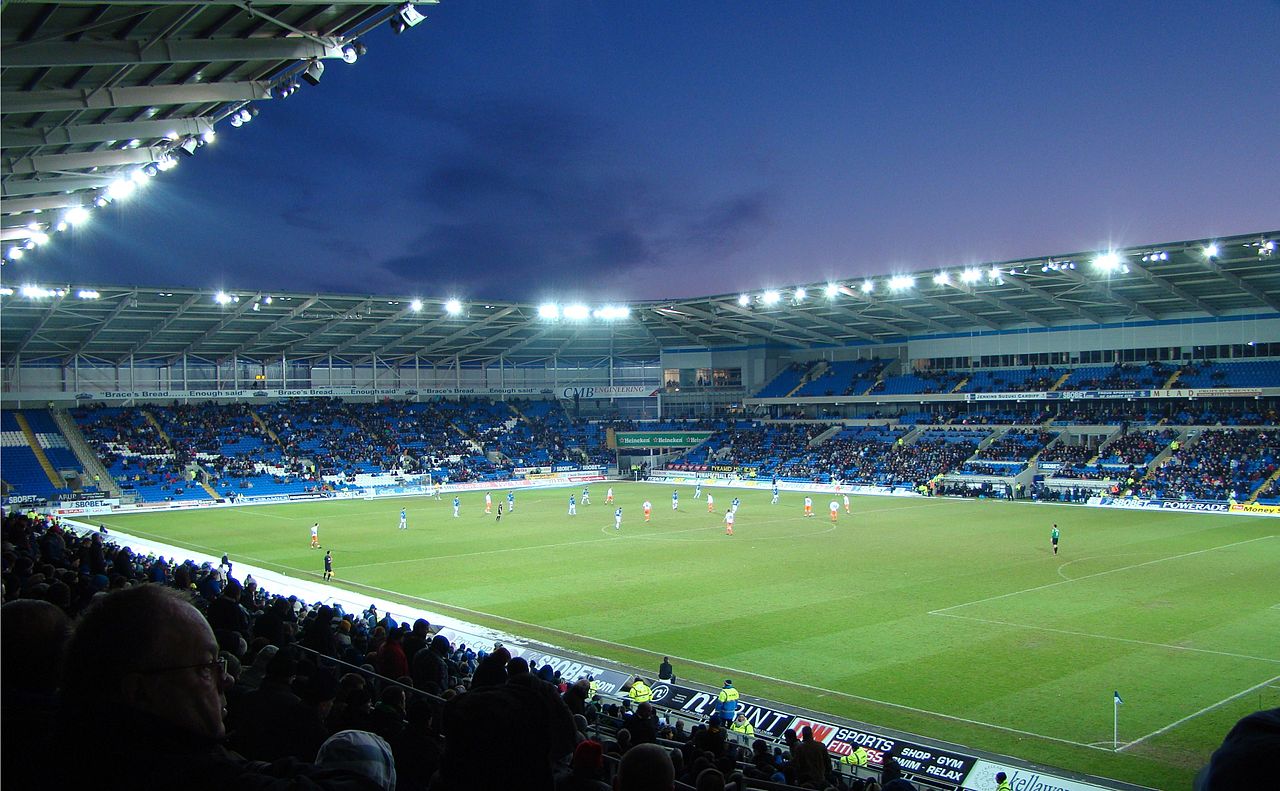


Overview and historical background
The opening round of Premier League matches took place on 15 August 1992. In the years that followed, stadium policy and design were shaped by safety concerns, most notably the recommendations of the Taylor Report after the Hillsborough disaster in 1989. The report led to the removal of standing terraces from top-level grounds where practical, and a general move toward all-seater stadia by the mid‑1990s. Where construction or planning required more time, clubs sometimes used temporary arrangements or alternative venues while upgrades were completed.
Characteristics and categories
Premier League venues vary widely in several respects. Capacity is a major distinction: the largest stadiums regularly host 50,000 or more spectators, while smaller grounds may hold under 20,000. Stadiums also differ in their age and architecture — from Victorian-era grounds with distinctive local character to 21st‑century, multi-tiered arenas with corporate facilities. Other differences include pitch surface quality, roof coverage, transport links, and whether a ground is purpose-built for football or adapted from another use (for example, former Olympic facilities).
Notable examples and milestones
- Fulham briefly returned to using standing accommodation in the early 2000s while completing an all-seater redevelopment of Craven Cottage, and temporarily staged matches at Loftus Road during the works.
- Burnley's Turf Moor became a notable milestone stadium when it was recorded as the 50th ground to host a Premier League match on 19 August 2009; the fixture that day was against Manchester United.
- Bournemouth played their first home Premier League match at Dean Court — often referred to by its traditional name — when it hosted Aston Villa on 8 August 2015; that match made Dean Court the most recent ground to welcome top-flight football at the time.
- Redevelopment of existing sites has also introduced new venues to the league: for example, the former Olympic venue repurposed as a football ground was set to host its first Premier League match in August 2016 when West Ham United were due to play Bournemouth at the London Stadium configuration then in use.
How grounds enter, leave or temporarily host Premier League matches
- Promotion or return of a club to the Premier League brings its home ground into the set of venues used at the top level.
- Stadium redevelopment can temporarily displace a club to an alternative nearby ground, or delay the use of a ground until upgrades meet safety and licensing requirements.
- Clubs may change home venues for commercial or logistical reasons, including groundsharing agreements or moves to new purpose‑built stadiums.
Over time the list of Premier League stadiums evolves: new arenas are added, older grounds are restored or replaced, and temporary arrangements are occasionally required. The stadiums that host Premier League matches are central to the matchday experience and reflect broader trends in safety standards, fan comfort and club finances.
Notable links: Turf Moor (Burnley), Manchester United, Fulham, Loftus Road, Craven Cottage, Burnley, Bournemouth, Dean Court, Aston Villa, West Ham United.
Questions and answers
Q: What year did the first round of Premier League matches take place?
A: The first round of Premier League matches took place on 15 August 1992.
Q: What was suggested by the Taylor Report in 1989?
A: The Taylor Report suggested the removal of standing terraces by the start of the 1994–95 season, to be replaced by all-seater stadiums.
Q: Where did Fulham have to play for a short while due to not enough progress being made in converting Craven Cottage?
A: For a bit of time they had to play at Loftus Road after not enough progress was made in converting Craven Cottage.
Q: When did Burnley's Turf Moor stadium become the 50th Premier League stadium?
A: Burnley's Turf Moor stadium became the 50th Premier League stadium on 19 August 2009, when they faced Manchester United.
Q: Which team played Bournemouth in their first ever home Premier League match?
A: Bournemouth's Dean Court hosted their first ever home Premier League match against Aston Villa on 8 August 2015.
Q: When will London Stadium host its first ever Premier League match?
A: London Stadium, new home to West Ham United, will host its first ever Premier League match when West Ham hosts Bournemouth on 21 August 2016.
Related articles
Author
AlegsaOnline.com List of Premier League stadiums Leandro Alegsa
URL: https://en.alegsaonline.com/art/124932
Sources
- premierleague.com : "A History of The Premier League"
- independent.co.uk : "Football: Fayed's race against time"
- independent.co.uk : "Hoey under fire from Hillsborough families"
- fulhamfc.com : "Craven Cottage"
- clarets-mad.co.uk : "Turf Moor is a Premier League milestone"
- soccerlens.com : "Premier League Stadiums: As seen from above"
- premierleague.com : "Liverpool - Anfield"
- mfc.co.uk : "Road to the Riverside"
- dcfc.co.uk : "The History of Derby County"
- news.bbc.co.uk : "Ex-football ground is 'eyesore'"
- premierleague.com : "Stoke City - bet365 Stadium"
- premierleague.com : "West Ham United - London Stadium"