
List of Philippine–American War Medal of Honor recipients
Overview and context for the 86 U.S. military personnel awarded the Medal of Honor for actions during the Philippine–American War, including counts, notable recipients, and historical significance.
Overview
The Philippine–American War (1899–1902, with continued hostilities afterward) produced a number of individual acts of valor that were recognized with the United States' highest military decoration, the Medal of Honor. The conflict began as a struggle over sovereignty following the Spanish–American War and involved conventional battles as well as counterinsurgency operations and small-unit engagements. For background on the broader conflict, see Philippine–American War.
Image gallery
10 Images


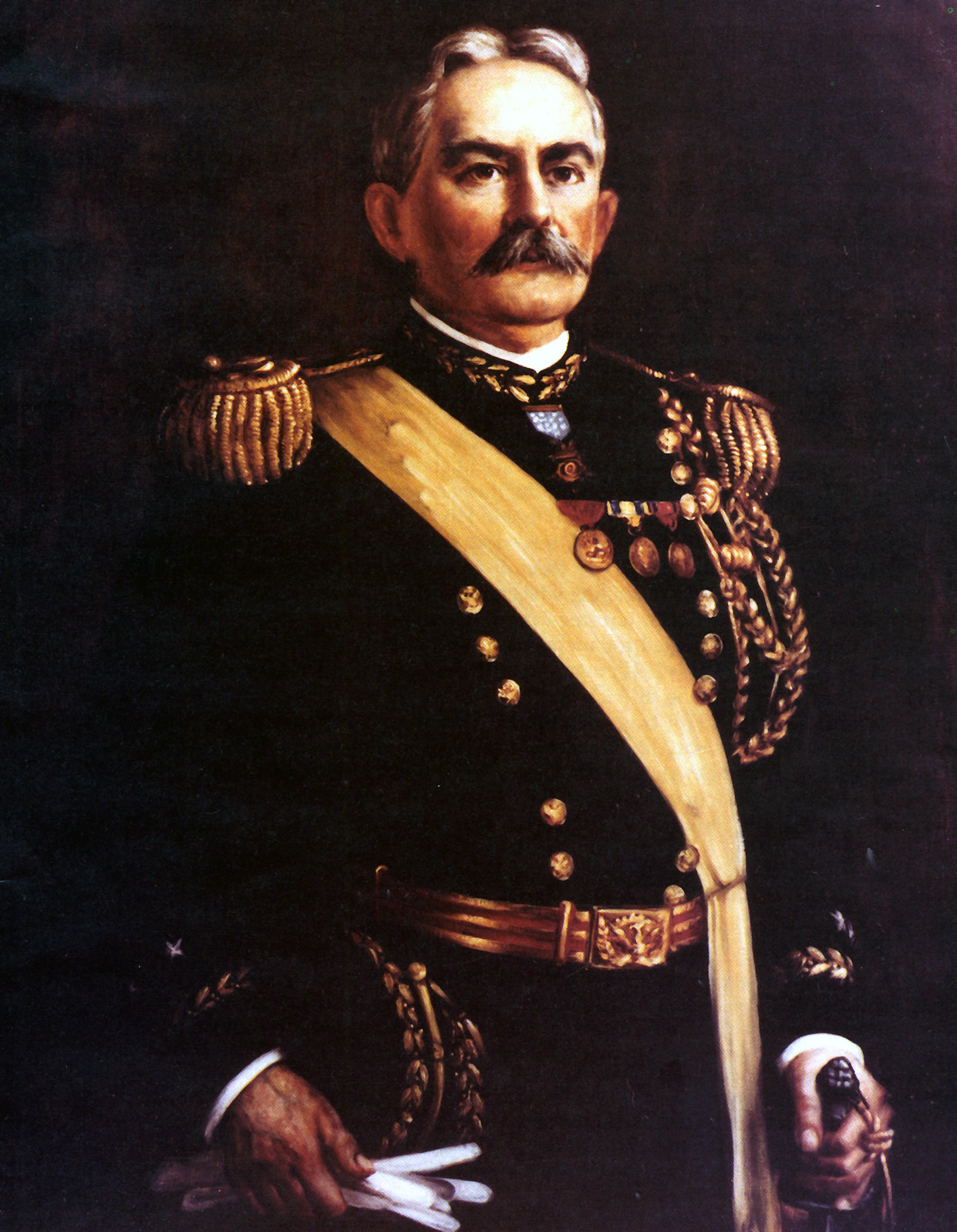



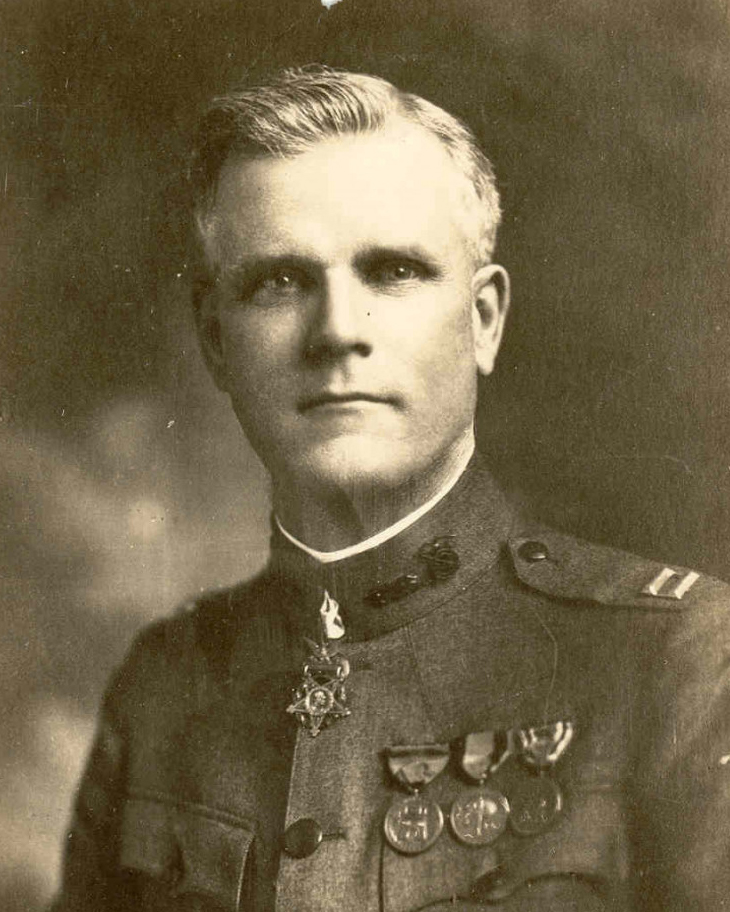

About the Medal
The Medal of Honor was first established during the American Civil War and remains the highest decoration given by the United States government to service members who distinguish themselves "above and beyond the call of duty" in combat. The award is rare and often presented posthumously because it recognizes actions involving extreme personal risk. More on the decoration itself is available at Medal of Honor.
Recipients and counts
During the Philippine–American War period, eighty-six individuals received the Medal of Honor for acts performed in the Philippines or in related actions. The distribution by service branch is commonly reported as:
- United States Army: 70 recipients (Army).
- United States Navy: 10 recipients (Navy).
- United States Marine Corps: 6 recipients (Marine Corps).
Of these awards, four were presented posthumously. The recipients' citations cover a range of actions, from rescuing wounded comrades under fire to leading assaults on fortified positions or conducting hazardous reconnaissance.
Notable recipients and examples
Several awardees from this conflict are notable for their later careers or for circumstances that highlight the war's complexity. Webb Hayes, son of President Rutherford B. Hayes, received the Medal for bravery; his biography can be found via Webb Hayes. Marine Corps officers such as Hiram I. Bearss and David Dixon Porter gained recognition for leading difficult operations; Bearss later served and was wounded in World War I. One particularly significant recipient was José B. Nísperos, a member of the Philippine Scouts who continued to fight after severe wounds and is widely noted as the first Asian to receive the Medal of Honor; see also references to early Asian recipients for broader context.
Historical context and legacy
The awards from the Philippine–American War reflect both individual heroism and the nature of a conflict that mixed conventional engagements with guerrilla warfare and policing operations. While the formal end of major combat operations was declared in 1902, U.S. forces continued to engage resistance groups for several years thereafter. The recipients' citations are primary sources for historians studying tactics, small-unit actions, and the human dimensions of the war. Collections of citations and service records are kept by military archives and are summarized in various official and scholarly compilations.
Further notes
Lists of recipients typically include name, rank, service branch, place and date of action, and the citation summary. Because the conflict overlapped with larger geopolitical changes in the Philippines and U.S. foreign policy at the turn of the 20th century, the awards are sometimes discussed alongside debates about imperialism, military conduct, and postwar governance. Researchers and readers seeking original citations or detailed service records should consult military archives and annotated registers where primary citations are preserved.
Questions and answers
Q: What was the Philippine-American War?
A: The Philippine-American War was an armed military conflict between the United States and the First Philippine Republic. It lasted from 1899 to at least 1902, arising from a Filipino political struggle against U.S. occupation of the Philippines.
Q: When did hostilities officially end?
A: Hostilities were officially declared over on July 4, 1902, though American troops continued fighting against remnants of the Philippine Army and other resistance groups until 1913.
Q: What is the Medal of Honor?
A: The Medal of Honor is the highest military decoration presented by the United States government to a member of its armed forces. It is awarded for distinguished service above and beyond what is expected in action against an enemy of the United States, often posthumously after death in battle.
Q: How many people received it for their actions in the war?
A: Eighty-six men received Medals of Honor for their actions in the Philippine–American War; 70 from the Army, 10 from Navy, 6 from Marine Corps with four being posthumous awards.
Q: Who was Webb Hayes?
A: Webb Hayes was one recipient who received a Medal of Honor for his actions during this war; he was also son to former U.S President Rutherford B. Hayes.
Q: Who were Hiram I Bearss and David Dixon Porter?
A: Hiram I Bearss and David Dixon Porter were two well known Marine Corps officers who both received Medals of Honor for their actions during this war; Bearss became known for leading long-range reconnaissance patrols behind enemy lines while Porter rose to become a major general from a distinguished military family background .
Q: Who was José B Nísperos?
A: José B Nísperos was another recipient who received a Medal of Honor; he was a member of the Philippine Scouts honored for continuing to fight even after being wounded - making him also be recognized as first Asian recipient ever given this medal
Related articles
Author
AlegsaOnline.com List of Philippine–American War Medal of Honor recipients Leandro Alegsa
URL: https://en.alegsaonline.com/art/124903
Sources
- tecom.usmc.mil : "Who's Who list of Marines"
- history.army.mil : "Medal of Honor recipients"
- history.army.mil : "Philippine Insurrection"
- history.army.mil : "Action Against Philippine Outlaws - 1911"
- books.google.com : The Star-Entangled Banner: One Hundred Years of America in the Philippines
- defenselink.mil : "A Brief History — The Medal of Honor"
- books.google.com : Medal of Honor: Historical Facts & Figures