
Medal of Honor recipients of the Battle of Iwo Jima
Overview of the 27 Medals of Honor awarded for actions during the Battle of Iwo Jima in 1945, with context on the battle, award criteria, distribution by service, and historical significance.
Overview
The Battle of Iwo Jima was fought in February and March 1945 as part of the Pacific campaign of World War II. Codenamed Operation Detachment, the American objective was to capture the island’s airfields and deny their use to the Japanese, while providing emergency landing facilities for Allied aircraft. The campaign has become emblematic of the intensity of Pacific island fighting and is widely studied for both its tactical challenges and its human cost. See more on the campaign at Battle of Iwo Jima and the island itself at Iwo Jima.
Image gallery
10 Images


Battle conditions and context
Iwo Jima was defended by a heavily fortified Imperial Japanese position featuring deep bunkers, interconnected caves and an extensive tunnel network. Defenders used the terrain and pre-sited artillery to delay and disrupt American forces attempting to secure the island’s beaches and airstrips. The fortified defenses and close-quarters fighting produced extremely high casualty rates and numerous instances of individual and small-unit actions that were later recognized for extraordinary valor. Historical summaries of the defenders note the involvement of the Imperial Japanese Army in planning the defense.
The Medal of Honor: origin and criteria
The Medal of Honor is the highest military decoration awarded by the United States government. Established during the American Civil War, it is presented to service members who distinguish themselves by conspicuous gallantry and intrepidity at the risk of life above and beyond the call of duty while engaged in action against an enemy. Because the award recognizes extreme self-sacrifice, many Medals of Honor are given posthumously. Official descriptions and regulations for the decoration can be found through resources on the Medal of Honor.
Recipients and distribution
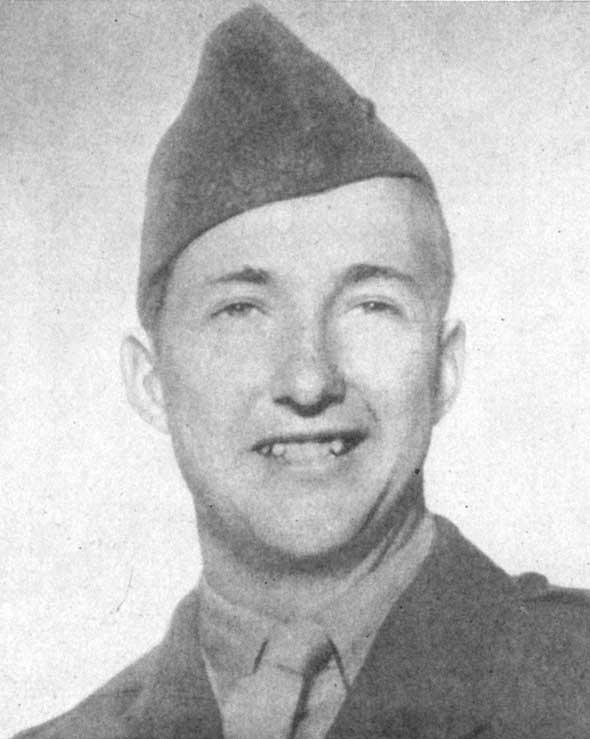
Following the capture of Iwo Jima, 27 U.S. military personnel were awarded the Medal of Honor for actions during the battle. The distribution reflected the composition and roles of units involved:
- 27 total Medal of Honor awards associated with the battle.
- 22 awarded to members of the United States Marine Corps.
- 5 awarded to sailors of the United States Navy who were attached to or supporting ground operations.
These awards represent a notable concentration of Marine Corps Medals of Honor in a single engagement—roughly thirty percent of World War II Marine Corps Medals of Honor were earned in the Iwo Jima campaign—reflecting the severity and proximity of the combat encountered there.
Nature of recognized actions and patterns
Medal of Honor citations from Iwo Jima most often describe acts such as leading assaults against fortified positions, rescuing wounded under fire, neutralizing machine-gun nests and directing small-unit movements under intense enemy fire. Given the island’s terrain and the defensive doctrine of the opposing force, many citations cite close-quarters combat, personal initiative in exposing oneself to danger to save comrades, and decisive leadership that enabled local objectives to be achieved.
Significance and legacy
The awards from Iwo Jima are part of the larger remembrance of the battle in both military history and public memory. Monuments and memorials, including the Marine Corps War Memorial inspired by the flag-raising on Iwo Jima, reflect how the engagement and the sacrifices it produced have been commemorated. For readers seeking names and individual citations, official military records and curated lists provide full citations and biographical details; more background on the operation and its aftermath is available at general campaign resources such as landing and airfield accounts and the principal campaign overview at Battle of Iwo Jima.
Collectively, the 27 Medals of Honor awarded for Iwo Jima illustrate the kinds of extreme valor and sacrifice that the decoration is intended to recognize, and they continue to inform studies of leadership, small-unit combat, and the human dimensions of warfare.
Questions and answers
Q: What was the name of the American invasion of Iwo Jima?
A: The American invasion of Iwo Jima was called Operation Detachment.
Q: How many Japanese soldiers were present at the beginning of the battle?
A: At the beginning of the battle, there were 21,000 Japanese soldiers present.
Q: How many Japanese soldiers survived the battle?
A: Only 216 Japanese soldiers survived the battle.
Q: How long did it take for the Battle of Iwo Jima to be completed?
A: The Battle of Iwo Jima lasted 2 months.
Q: How many Medals of Honor were presented to Marines in World War II from this battle?
A: A full 30% (25 out of 82) Medals of Honor presented to Marines in World War II were from this battle.
Q: What is a Medal Of Honor?
A: The Medal Of Honor is the highest military decoration presented by the United States government to a member of its armed forces. It is awarded for distinguished service above and beyond what is expected at risk to one's own life in action against an enemy force. It can also be posthumously awarded if necessary.
Related articles
Author
AlegsaOnline.com Medal of Honor recipients of the Battle of Iwo Jima Leandro Alegsa
URL: https://en.alegsaonline.com/art/124822
Sources
- tecom.usmc.mil : "Who's Who list of Marines"
- history.army.mil : "Medal of Honor recipients"
- defenselink.mil : "A Brief History — The Medal of Honor"