
Medal of Honor recipients in peacetime (pre–World War II)
Overview and context of Medal of Honor awards given for non-combat acts before World War II, including typical incidents, organizational notes for lists, and how the practice changed over time.
Overview
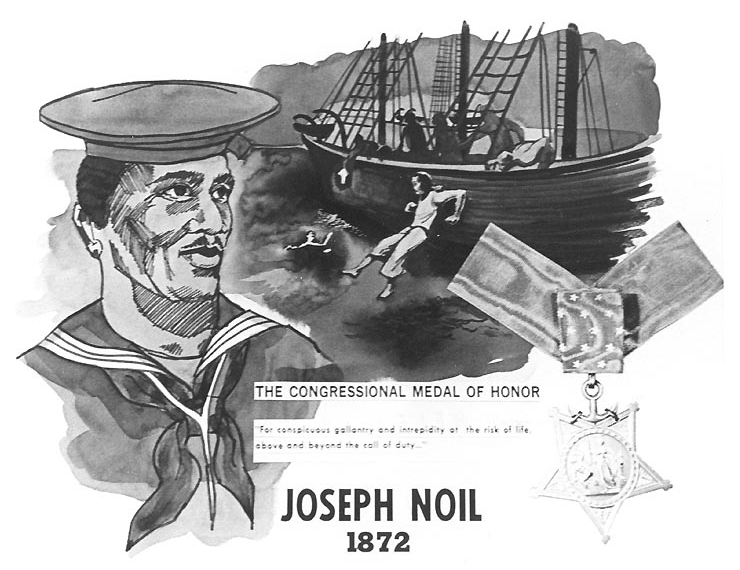
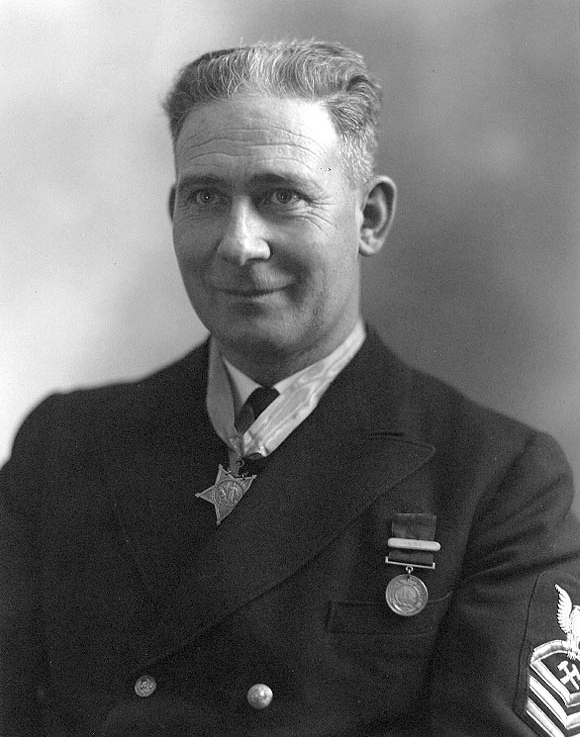
The Medal of Honor, the United States military's highest decoration for valor, was historically awarded for acts of extraordinary heroism even when no enemy was present. Prior to World War II, a significant number of awards recognized life‑saving or other hazardous deeds carried out during routine service rather than in direct combat. These peacetime medals reflect perilous conditions, especially in naval operations of the late 19th and early 20th centuries.
Image gallery
10 Images




Common circumstances and recipients
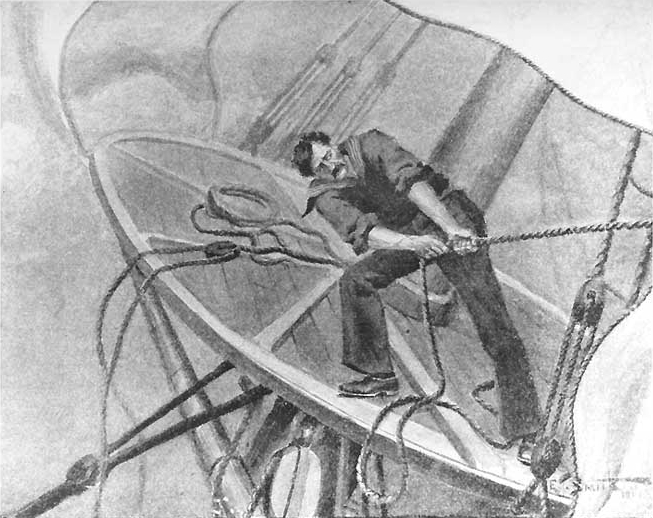
Most peacetime Medals of Honor were presented to sailors and officers of the United States Navy for responses to shipboard disasters and accidents. Typical incidents included boiler explosions, fires, rescues of crewmembers who had fallen overboard, and emergency efforts during peacetime voyages. Such actions often required immediate risk to the rescuer and notable courage under life‑threatening conditions.
History and evolution of criteria
The decoration originated during the American Civil War and evolved over subsequent decades. In the period before the Second World War, regulations still permitted recognition for non‑combat gallantry. Legislative and administrative changes during and after World War II tightened award criteria, concentrating the Medal of Honor primarily on conspicuous gallantry in combat. As a result, peacetime awards became far less common after that era.
Structure of the recipient list
Lists of peacetime recipients are typically organized to show the place and date of the action and the recipient's rank at the time. Where the medal was awarded posthumously, this is often indicated with an asterisk after the recipient's name. Such lists serve both as a factual record and as a way to honor the diverse circumstances under which valor has been displayed.
Patterns and notable facts
- Before World War II, hundreds of Medals of Honor were awarded for non‑combat deeds; many of these recognized naval service hazards.
- Documentation frequently highlights boiler explosions and man‑overboard rescues as recurring causes of peacetime awards.
- After policy changes in the mid‑20th century, the medal's use for peacetime incidents was largely curtailed.
For more detailed legislative history and official criteria, see the relevant government summaries and archival references. Further reading and compiled lists can be found through official resources and historical overviews: legislative and award history and branch‑specific records such as those maintained by naval authorities: naval recipient lists and records.
Questions and answers
Q: What type of actions could a person receive the Medal of Honor for prior to World War II?
A: Prior to World War II, the Medal of Honor could be received for actions not involving direct combat with the enemy. Most of these medals were presented to members of the United States Navy for their actions during boiler explosions, man-overboard incidents, and other hazards of naval service.
Q: How many people earned the medal in this way?
A: 193 men earned the Medal of Honor in this way prior to World War II.
Q: What information is given about each recipient's Medal of Honor action?
A: The list provided gives place and date of each recipient's Medal of Honor action, as well as their rank at the time of the action.
Q: How can you tell if a recipient was posthumous?
A: A posthumous recipient is denoted by an asterisk after the recipient's name.
Q: Who typically received peacetime Medals of Honor?
A: Peacetime Medals of Honor were typically presented to members of the United States Navy for their actions during boiler explosions, man-overboard incidents, and other hazards of naval service.
Q: When did most recipients earn their medal?
A: Most recipients earned their medal prior to World War II.
Related articles
Author
AlegsaOnline.com Medal of Honor recipients in peacetime (pre–World War II) Leandro Alegsa
URL: https://en.alegsaonline.com/art/124821
Sources
- defenselink.mil : "A Brief History — The Medal of Honor"
- history.army.mil : "Medal of Honor recipients"