
List of Korean War Medal of Honor recipients
Overview and context for U.S. Medal of Honor awards during the Korean War, including criteria, notable recipients, how lists are organized, and historical patterns.
The Medal of Honor is the United States' highest military decoration, awarded for conspicuous gallantry and intrepidity at the risk of life above and beyond the call of duty. During the Korean War (1950–1953), servicemembers from the Army, Marine Corps, Navy and Air Force were recognized for extraordinary actions in a wide range of combat situations. Public compilations of recipients aim to document each citation, rank, unit and date so that acts of valor are preserved for historical record and public reference. For an official roster and additional archival material see the official roster.
Image gallery
10 Images


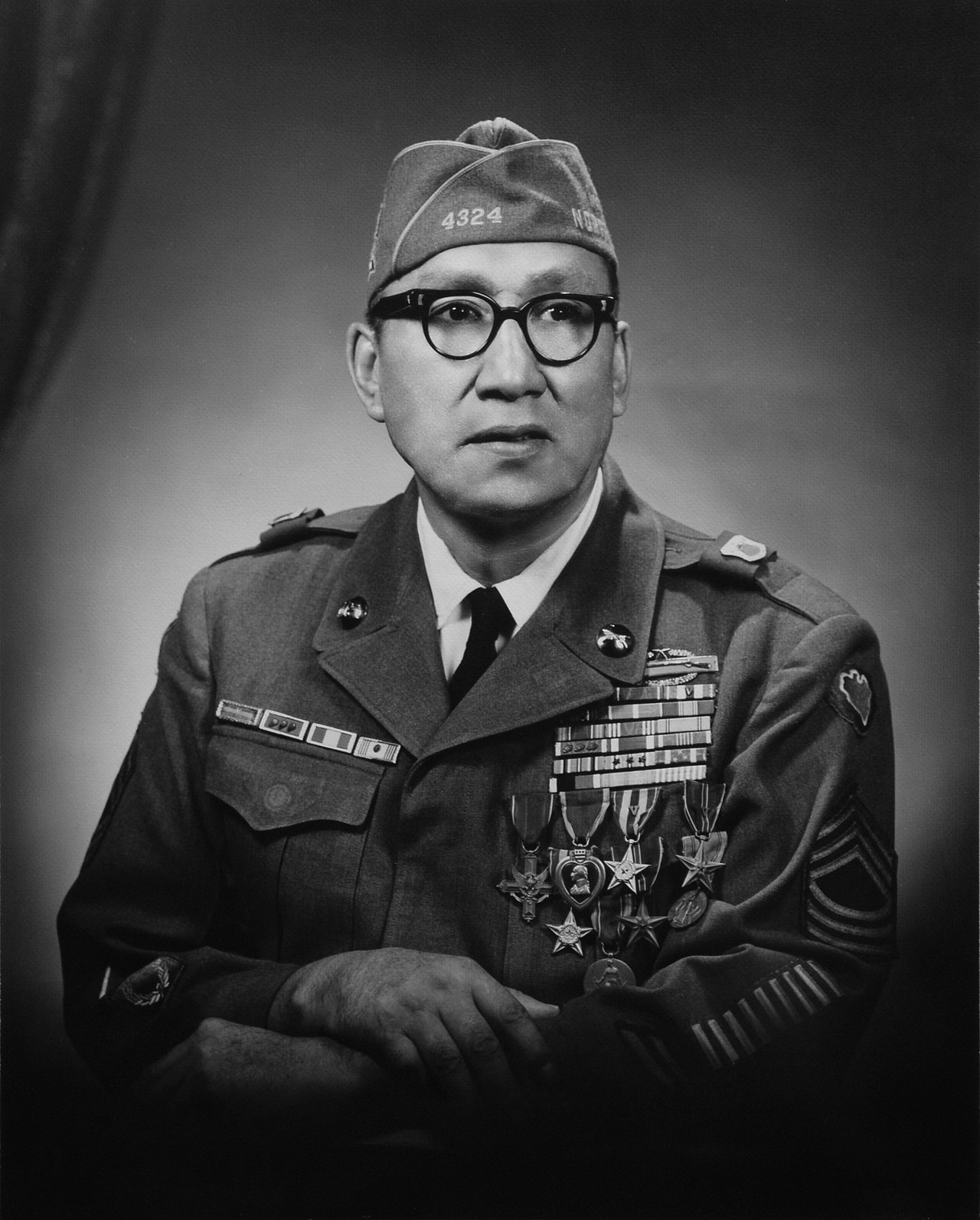


Scope and organization of the list
Lists of Korean War Medal of Honor recipients are typically organized by service branch, then alphabetically or chronologically by the date of action. Entries normally include the recipient's name, rank, unit, place and date of action, citation summary and whether the award was posthumous. Such lists are used by historians, educators and family members to trace individual stories and battlefield contexts. Many public databases and government publications compile these data; a common reference point is the comprehensive database found at a major archive.
Characteristics and common contexts of awards
A significant portion of Korean War Medals of Honor were earned during intense ground actions: defense of the Pusan Perimeter, amphibious landings at Inchon, fighting to retake Seoul, and the brutal winter campaign around the Chosin Reservoir. Recipients were cited for small-unit leadership, rearguard actions, rescuing wounded under fire, single-handed assaults on enemy positions, and other acts in which they accepted extreme personal risk to save comrades or secure tactical objectives.
Notable recipients and examples
- Hiroshi H. Miyamura — A Japanese American corporal captured by enemy forces after actions that led to his award; his story is cited for both courage and the complexities of POW status.
- Lewis L. Millett — An Army officer recognized for leading a bayonet charge and personal leadership under heavy fire.
These examples illustrate the variety of actions that led to the award: some recipients survived and were honored in person, while many awards were bestowed posthumously to recognize lives given in combat.
Historical notes and postwar reviews
In the decades after the Korean War, multiple reviews of awards were conducted to correct record-keeping errors or to address potential bias in the original award process. As a result, a number of decorations were upgraded to the Medal of Honor long after the conflict ended. For context on review processes and updated citations consult institutional summaries at research center and legal or congressional records at official report.
Because the Medal of Honor is rare and its award involves a formal recommendation, investigation and approval chain, each Korean War recipient's citation provides a concentrated example of bravery under the conditions of that war. Compiled lists therefore serve both as memorials to individuals and as source material for understanding tactical, social and institutional aspects of the Korean conflict.
Questions and answers
Q: What was the Korean War?
A: The Korean War was an increase of border clashes between two rival Korean governments, each of which was supported by external powers. It was an attempt to reunite the Korean peninsula which had been formally divided since 1948 and it involved the United States and the Soviet Union as part of the larger Cold War. The main hostilities were during the period from June 25, 1950 until the armistice was signed on July 27, 1953.
Q: What caused the conflict?
A: The conflict began when South Korea filed to strengthen their cause in free elections held in May 1950 and North Korea's refusal to hold new elections per South Korean demands. This led to North Korea moving south on June 25, 1950 in an attempt to reunite the peninsula.
Q: Who were involved in this conflict?
A: Two rival Korean governments were involved in this conflict, each with external support from other countries such as the United States and Soviet Union as part of a larger Cold War effort.
Q: When did hostilities begin?
A: Hostilities began on June 25th, 1950 when North Korea moved southward towards South Korea.
Q: How long did hostilities last?
A: Hostilities lasted for three years until July 27th, 1953 when an armistice agreement was signed between both sides.
Q: Was it considered a civil war?
A: Some may refer to it as a civil war due to its nature but there were many other factors at play that contributed to its cause beyond internal politics within one nation state.
Q: What happened at free elections held by South Korea in May 1950?
A:South Korea filed to strengthen their cause at free elections held in May 1950 which ultimately led to North Korea's refusal of new elections per South Korean demands and their subsequent move southwards on June 25th, 1950
Related articles
Author
AlegsaOnline.com List of Korean War Medal of Honor recipients Leandro Alegsa
URL: https://en.alegsaonline.com/art/124784
Sources
- tecom.usmc.mil : "Who's Who list of Marines"
- history.army.mil : "Medal of Honor recipients"
- history.army.mil : "Ch. 8 :The Korean War, 1950-1953"
- history.army.mil : American Military History, Volume 2(revised 2005)
- history.army.mil : Truce Tent and Fighting Front
- defenselink.mil : "A Brief History — The Medal of Honor"