
Africa Cup of Nations (AFCON) — continental football championship
The Africa Cup of Nations (AFCON) is Africa’s premier men's national team football tournament, organised by CAF since 1957. It crowns the continental champion and has evolved in format, size and global profile.
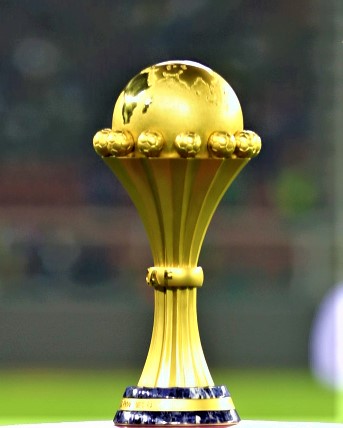
The Africa Cup of Nations, commonly abbreviated as AFCON and also known by its French name Coupe d'Afrique des Nations, is the principal international men's association football competition for national teams from across Africa. Organized by the Confederation of African Football (CAF), the tournament determines the continental champion and has become a major event in the football calendar for the continent and for scouts, clubs and broadcasters worldwide.
Image gallery
8 Images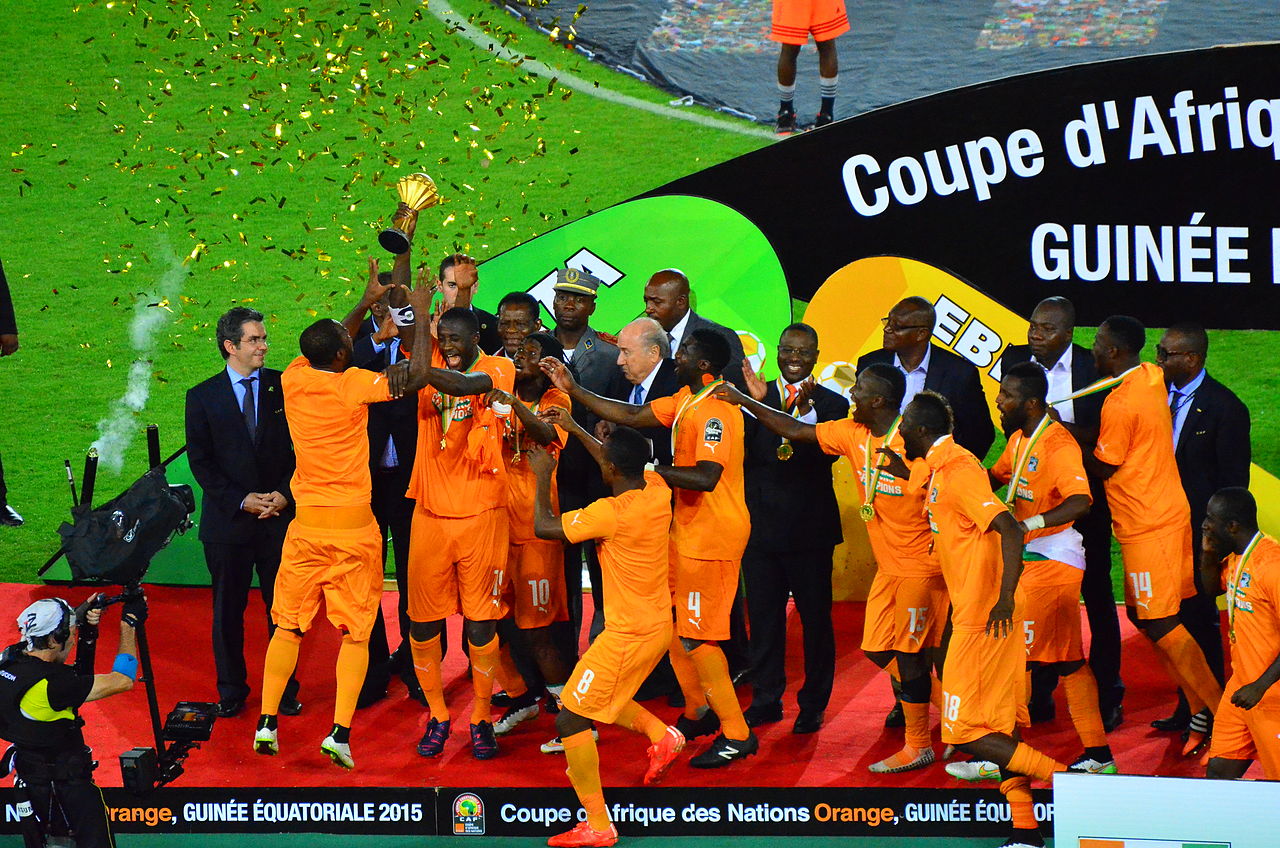



Format and qualification
The finals tournament is reached through a qualification phase open to CAF member associations. Historically held every two years, AFCON has seen its format and schedule adjusted periodically to accommodate international calendars and commercial considerations. The final phase currently features an expanded field compared with the early decades, with a group stage followed by knockout rounds. In the past, the AFCON winner also gained a place at the FIFA Confederations Cup when that competition existed, linking continental success to a wider international stage: FIFA Confederations Cup.
History and development
First contested in 1957, the competition began with a small number of teams and has grown as national associations were established and African football developed. Over time the tournament has increased in size, gained wider television coverage and sponsorship, and become a platform for domestic and diaspora players to showcase their talents. The finals have been hosted across the continent, sometimes by a single country and at other times co-hosted by neighbouring states.
Notable champions and records
Egypt stands out as the most successful nation in the competition’s history, having won the title on more occasions than any other country: Egypt. Other frequent winners include Cameroon, Ghana, Nigeria and Ivory Coast. One recent final saw Algeria lift the trophy after a victory over Senegal; an image of the winning side is represented here: 

- Sporting significance: AFCON crowns continental supremacy and can greatly raise the profile and careers of participating players.
- Economic and social impact: hosting brings investment, jobs and international attention, while the tournament fosters strong national and regional identities.
- Evolution: competition size, match dates and rules have been modified over decades to respond to fixture congestion and to improve competitiveness and commercial viability.
As Africa’s flagship national-team competition, the Africa Cup of Nations continues to adapt while retaining a central place in the sporting life of the continent. It is studied both for its sporting drama and for its broader cultural, economic and diplomatic effects across African societies and the global football community.
First-time subscribers
Up to and including the 1974 Africa Cup, there was always at least one national football team that took part in an Africa Cup finals for the first time. Below is a list of the 45 first-time participants, each with the flags and names in force at the time. In addition, four countries are listed in brackets that participated for the first time in an Africa Cup under a new name only. In total, 56 national football associations are represented in the Confédération Africaine de Football (CAF).
- Teams in bold were African champions in their first appearance.
- Teams in italics were hosts for their first participation.
- Teams in brackets participated for the first time under a different name.
| Year | First-time participants | |||
| 1957 | Egypt 1952 | Athiopia 1941 | Sudan 1956 | |
| 1959 | (United Arab Republic | |||
| 1962 | Uganda 1914 | Tunisia | ||
| 1963 | Ghana | Nigeria | ||
| 1965 | Congo-Kinshasa 1963 | Ivory Coast Ivory Coast | Senegal | |
| 1968 | Algeria | Congo Republic 1959 | Uganda | |
| 1970 | Guinea-a | Cameroon 1961 | ||
| 1972 | Kenya | Mali | Morocco | Togo |
| (Congo People's Republic of | (Zaire | |||
| 1974 | Mauritius | Zambia 1964 | ||
| 1976 | no first-time entrants | |||
| 1978 | Upper Volta | |||
| 1980 | Tanzania | |||
| 1982 | Political system of the Libyan Arab Jamahiriya Libya | |||
| 1984 | Malawi 1964 | |||
| 1986 | Mozambique | |||
| 1988–1992 | no first-time entrants | |||
| 1994 | Gabon | Sierra Leone | ||
| 1996 | Angola | (Burkina Faso | Liberia | Sud Africa |
| 1998 | Namibia | |||
| 2000–2002 | no first-time entrants | |||
| 2004 | Benin | Rwanda | Zimbabwe | |
| 2006–2010 | no first-time entrants | |||
| 2012 | Equatorial Guinea | Botswana | Niger | |
| 2013 | Cape Verde | |||
| 2015 | no first-time entrants | |||
| 2017 | Guinea-Bissau | |||
| 2019 | Burundi | Madagascar | Mauritania | |
| 2022 | Gambia | Comoros | ||




The tournaments at a glance
| Year | Host | Finale | Match for 3rd place | ||||
| Winner | Result | 2nd place | 3rd place | Result | 4th place | ||
| 1957 | Egypt 1952 | 4:0 | Athiopia 1941 | Sudan 1956 | (only three participants) | ||
| 1959 | United Arab Republic of | (league system) | Sudan 1956 | Athiopia 1941 | (only three participants) | ||
| 1962 | Athiopia 1941 | 4:2 n. V. | United Arab Republic of | Tunisia | 3:0 | Uganda 1914 | |
| 1963 | Ghana | 3:0 | Sudan 1956 | United Arab Republic of | 3:0 | Athiopia 1941 | |
| 1965 | Ghana 1964 | 3:2 n. V. | Tunisia | Ivory Coast Ivory Coast | 1:0 | Senegal | |
| 1968 | Congo Democratic Republic 1966 | 1:0 | Ghana | Ivory Coast Ivory Coast | 1:0 | Athiopia 1941 | |
| 1970 | Sudan 1956 | 1:0 | Ghana | United Arab Republic of | 3:1 | Ivory Coast Ivory Coast | |
| 1972 | Congo People's Republic of | 3:2 | Mali | Cameroon 1961 | 5:2 | Zaire | |
| 1974 | Zaire | 2:2 | Zambia | Egypt | 4:0 | Congo People's Republic of | |
| 1976 | Morocco | (league system) | Guinea-a | Nigeria | (league system) | Egypt | |
| 1978 | Ghana | 2:0 | Uganda | Nigeria | 2:0 1 | Tunisia | |
| 1980 | Nigeria | 3:0 | Algeria | Morocco | 2:0 | Egypt | |
| 1982 | Ghana | Political system of the Libyan Arab Jamahiriya Libya | Zambia | 2:0 | Algeria | ||
| 1984 | Cameroon | 3:1 | Nigeria | Algeria | 3:1 | Egypt | |
| 1986 | Egypt | Cameroon | Ivory Coast Ivory Coast | 3:2 | Morocco | ||
| 1988 | Cameroon | 1:0 | Nigeria | Algeria | Morocco | ||
| 1990 | Algeria | 1:0 | Nigeria | Zambia | 1:0 | Senegal | |
| 1992 | Ivory Coast Ivory Coast | Ghana | Nigeria | 2:1 | Cameroon | ||
| 1994 | Nigeria | 2:1 | Zambia | Ivory Coast Ivory Coast | 3:1 | Mali | |
| 1996 | Sud Africa | 2:0 | Tunisia | Zambia | 1:0 | Ghana | |
| 1998 | Egypt | 2:0 | Sud Africa | Congo Democratic Republic 1997 | 4:4 | Burkina Faso | |
| 2000 | Cameroon | Nigeria | Sud Africa | 2:2 | Tunisia | ||
| 2002 | Cameroon | Senegal | Nigeria | 1:0 | Mali | ||
| 2004 | Tunisia | 2:1 | Morocco | Nigeria | 2:1 | Mali | |
| 2006 | Egypt | Ivory Coast Ivory Coast | Nigeria | 1:0 | Senegal | ||
| 2008 | Egypt | 1:0 | Cameroon | Ghana | 4:2 | Ivory Coast Ivory Coast | |
| 2010 | Egypt | 1:0 | Ghana | Nigeria | 1:0 | Algeria | |
| 2012 | Zambia | Ivory Coast Ivory Coast | Mali | 2:0 | Ghana | ||
| 2013 | Nigeria | 1:0 | Burkina Faso | Mali | 3:1 | Ghana | |
| 2015 | Ivory Coast Ivory Coast | Ghana | Congo Democratic Republic | 0:0 | Equatorial Guinea | ||
| 2017 | Cameroon | 2:1 | Egypt | Burkina Faso | 1:0 | Ghana | |
| 2019 | Algeria | 1:0 | Senegal | Nigeria | 1:0 | Tunisia | |
| 2022 | |||||||
| 2023 | |||||||
| 2025Details | Guinea5, 6 | ||||||


1 The Tunisian national team withdrew from the match after 42 minutes (with the score at 1-1) - the match was then scored 2-0 to Nigeria.
2 The 2014 tournament was brought forward to 2013. In future, the Africa Cup will be held in odd-numbered years so as not to coincide with the World Cup.
3 Morocco was suspended as host in November 2014. A new host was announced on 14 November 2014.
4 Libya was originally scheduled to host the tournament, but following its withdrawal due to the effects of civil war, Gabon was appointed as the replacement host.
5 Following Cameroon's withdrawal as 2019 hosts, the country was assured of hosting in 2021. This shifts the hosts from 2021 and 2023 to 2023 and 2025.
6 Before the venues were each moved back two years, Ethiopia, Uganda and Zambia had expressed interest in hosting in 2025.
Related articles
Author
AlegsaOnline.com Africa Cup of Nations (AFCON) — continental football championship Leandro Alegsa
URL: https://en.alegsaonline.com/art/1247
Sources
- cafonline.com : Orange Africa Cup Of Nations, Equatorial Guinea 2015