
Asian American recipients of the U.S. Medal of Honor
Overview of Asian American Medal of Honor recipients: history, notable figures, the 1996 review that corrected wartime discrimination, and how these awards are distributed across conflicts.
The Medal of Honor is the United States military's highest decoration for valor, established during the American Civil War. It is presented by the United States government to service members who distinguish themselves "at the risk of their own life above and beyond the call of duty" in action against an enemy. Because the award recognizes extreme personal sacrifice, many recipients are honored posthumously.
Image gallery
10 Images


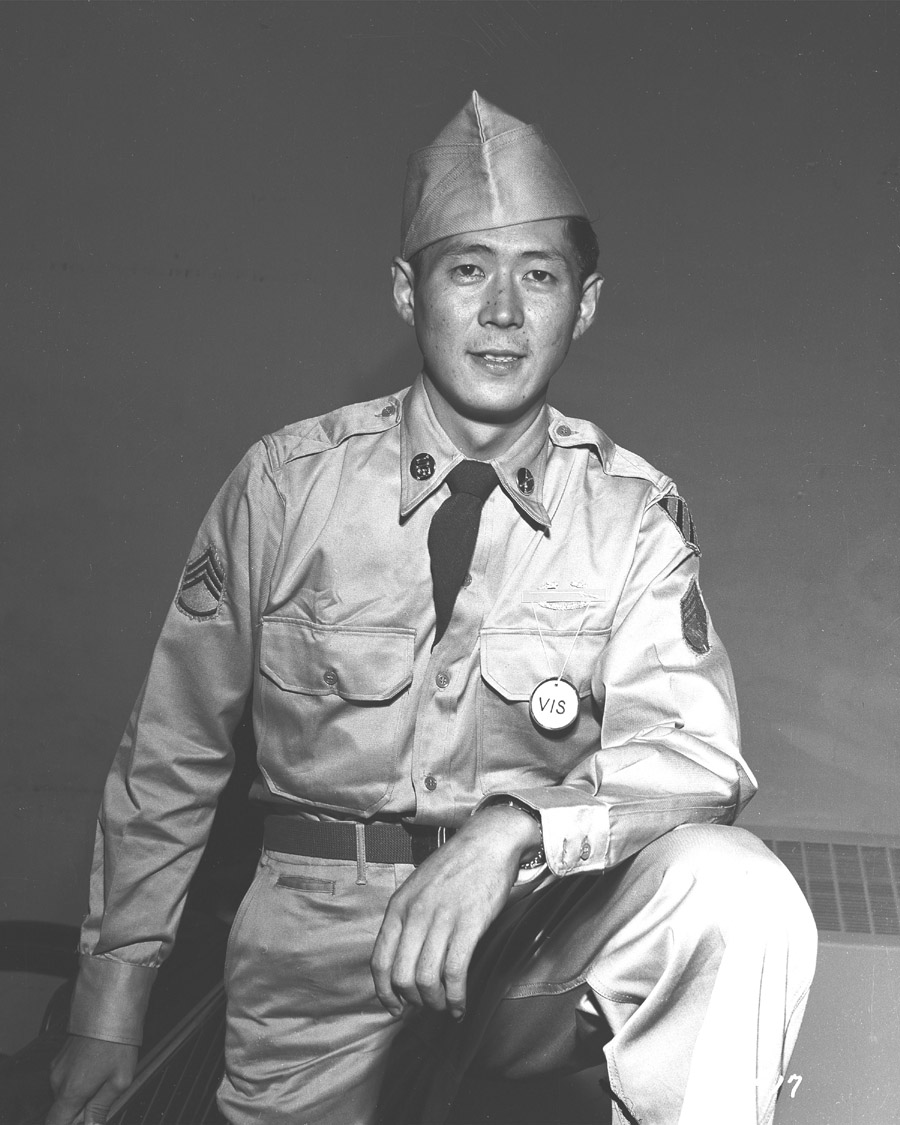
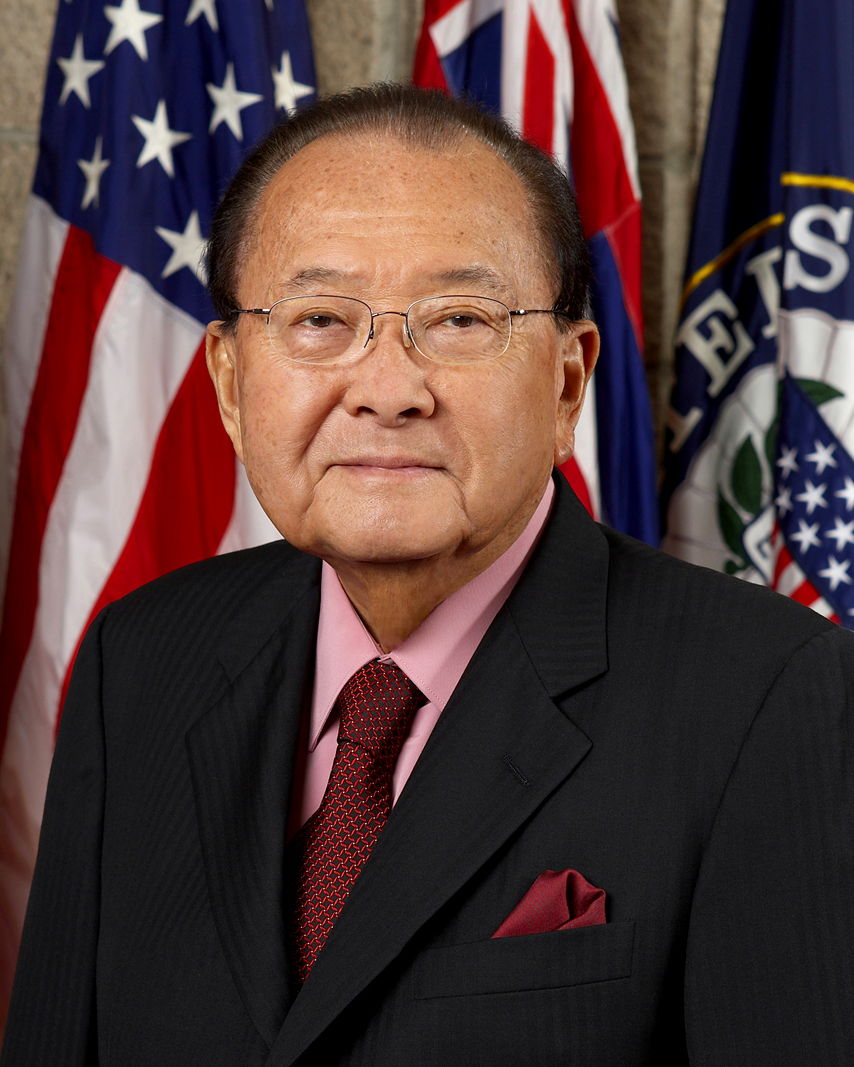
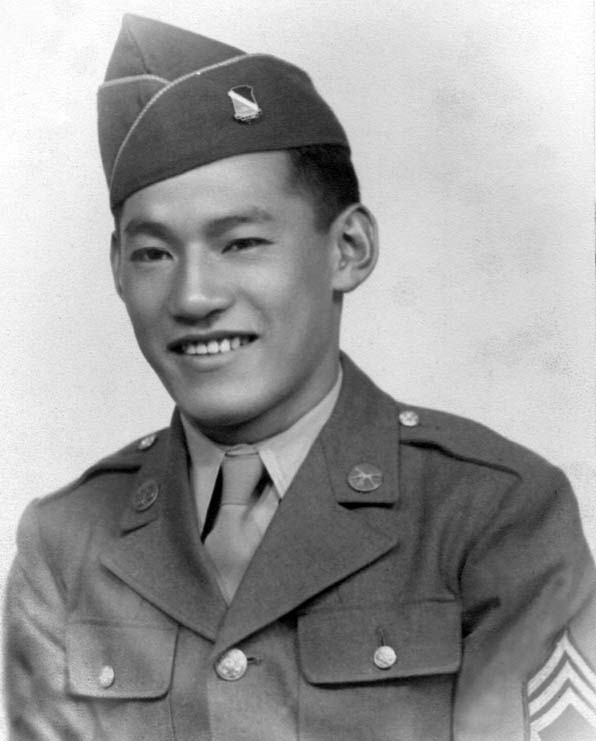
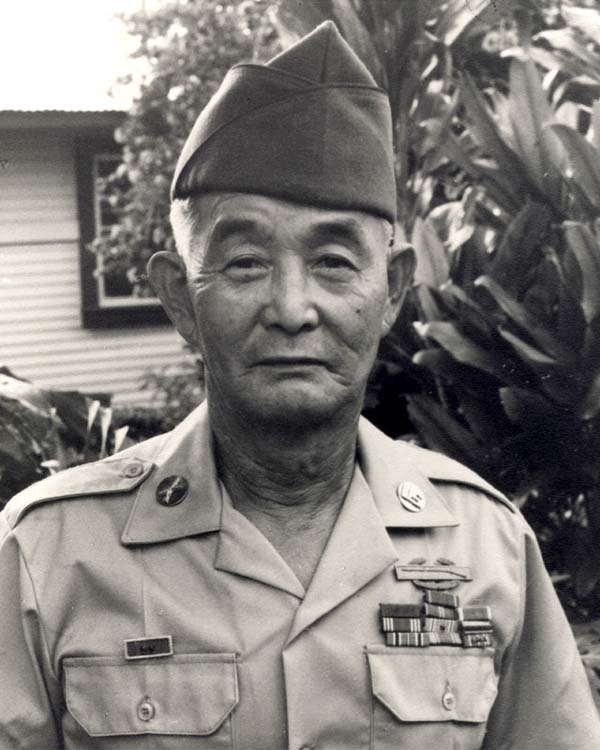
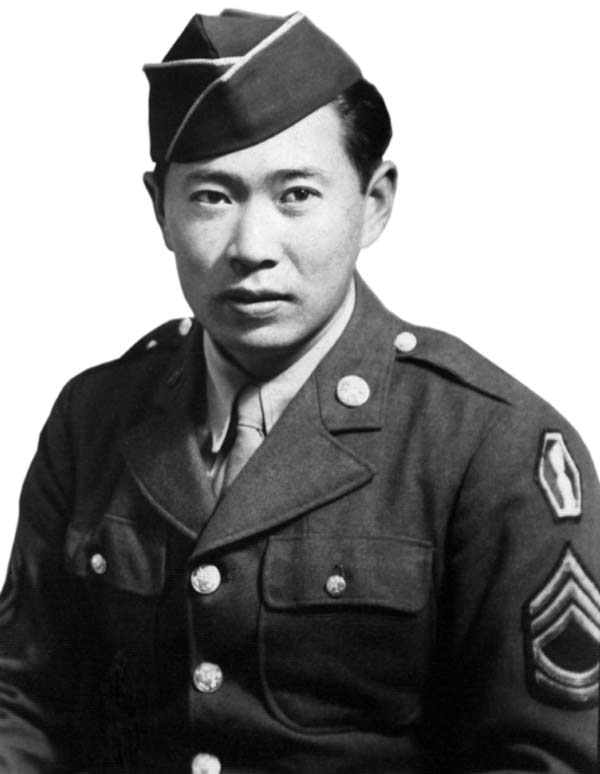


Scope and criteria
The medal recognizes individual acts of conspicuous gallantry and intrepidity. Nomination and approval require documented eyewitness reports, command endorsements and review by military and civilian authorities. Recipients come from different branches, ranks and ethnic backgrounds; the process is intended to be merit-based, though historical review has shown occasions of inequity.
History of Asian American recipients
Asian Americans and Asian-Pacific servicemembers have been awarded the Medal of Honor for actions in multiple conflicts, including the Philippine–American War, World War II, the Korean War and the Vietnam War. The first person commonly identified as an Asian American recipient is José B. Nísperos, honored for bravery while serving with U.S. forces in the Philippines. Over the decades, a number of Asian American service members have been recognized for extraordinary courage on the battlefield.
1996 review and redress of discrimination
Studies in the 1990s found that Asian Americans and other minority groups had been overlooked for decorations during World War II. A congressionally mandated review examined past awards and the records of those who had received lesser decorations. As a result of that review, several dozen service members originally given lower awards had their records upgraded to the Medal of Honor. These corrections were significant in acknowledging both individual heroism and institutional bias in earlier eras.
Notable recipients
- José B. Nísperos — often cited as the first Asian-born person to receive the medal for actions in the Philippines.
- Sadao Munemori — a Japanese American soldier cited for sacrifice in World War II; he is widely remembered among Japanese American communities.
- Daniel Inouye — a member of a distinguished wartime unit who later had his award recognized at a higher level and went on to a long career in public service.
- Hiroshi "Hershey" Miyamura — honored for actions in the Korean War and one of the best-known living Asian American recipients in the postwar era.
- Rodney Yano — awarded for conspicuous bravery during the Vietnam War, he represents the many Asian American service members who served in that conflict.
As of a widely cited count from 2011, out of the roughly 3,476 Medals of Honor awarded to date, thirty were presented to Asian American recipients. That figure reflects the state of recorded awards at that time and is useful for understanding representation, though research and reviews may affect official totals.
Significance and continuing legacy
Medal of Honor recipients of Asian descent symbolize both the contributions of Asian Americans to U.S. military history and the broader social struggles over recognition and equality. Their stories are commonly used in educational materials and commemorations to illustrate courage, sacrifice and how national institutions have changed. Many families, veterans' groups and communities continue to preserve the memory of these honorees and to advocate for accurate historical recognition.
For readers seeking a complete roll call or detailed citations, archived lists and official citations are maintained by government and veterans' organizations; these sources provide individual citations, unit histories and formal award narratives for each recipient.
Medal of Honor, American Civil War, United States, José B. Nísperos, Rodney Yano and the Vietnam War are referenced above for readers who wish to consult general background on the award and selected individuals.
Questions and answers
Q: What is the Medal of Honor?
A: The Medal of Honor is the highest military decoration presented by the United States government to a member of its armed forces. It is awarded for distinguished service at the risk of one's own life above and beyond the call of duty in action against an enemy of the United States.
Q: How many Medals of Honor have been presented as of September 15, 2011?
A: As of September 15, 2011, 3,476 Medals of Honor have been presented.
Q: How many Asian American recipients have there been?
A: There have been 30 Asian American recipients.
Q: Who was the first Asian American recipient?
A: José B. Nísperos was the first Asian American recipient; he received it for his actions in the Philippine–American War.
Q: Was there any discrimination against Asian Americans in awarding medals during World War II?
A: Yes; a study determined that Asian Americans were discriminated against in awarding medals during World War II and consequently 22 had their medals upgraded to Medals of Honor.
Q: Who was the most recent Asian American recipient?
A: Rodney Yano was the most recent Asian American recipient; he received it for his actions during the Vietnam War.
Related articles
Author
AlegsaOnline.com Asian American recipients of the U.S. Medal of Honor Leandro Alegsa
URL: https://en.alegsaonline.com/art/124481
Sources
- defenselink.mil : "A Brief History — The Medal of Honor"
- navy.mil : "Frequently Asked Questions"
- history.army.mil : "Medal of Honor recipients - Philippine Insurrection"
- history.army.mil : "Asian-Pacific American World War II Medal of Honor recipients"
- history.army.mil : "Medal of Honor recipients - Vietnam (M-Z)"
- books.google.com : The Star-Entangled Banner: One Hundred Years of America in the Philippines
- militarymuseum.org : "The U.S.S. San Diego and the California Naval Militia"
- history.army.mil : "Medal of Honor recipients - Interim Awards, 1915-1916"
- public.navy.mil : "USS San Diego"
- defenselink.mil : "22 Asian Americans Inducted into Hall of Heroes"
- defenselink.mil : "21 Asian American World War II Vets to Get Medal of Honor"
- books.google.com : Medal of Honor: Historical Facts and Figures
- books.google.com : The Greatest Generation
- army.mil : "Jose Calugas"