
Lil Wayne (Dwayne Michael Carter Jr.)
American rapper and record executive known for his career with Cash Money Records, the Hot Boys, the Tha Carter albums, and founding Young Money Entertainment; influential in modern hip hop.
Dwayne Michael Carter Jr., known professionally as Lil Wayne, is an American rapper, songwriter and record executive whose career began in his early teens. He rose to prominence as a member of the New Orleans-based Cash Money Records roster and the group the Hot Boys, and later became a leading solo artist with a prolific output of albums, mixtapes and features. Over several decades he helped shape mainstream hip hop sounds and launched the careers of other artists.
Image gallery
10 Images


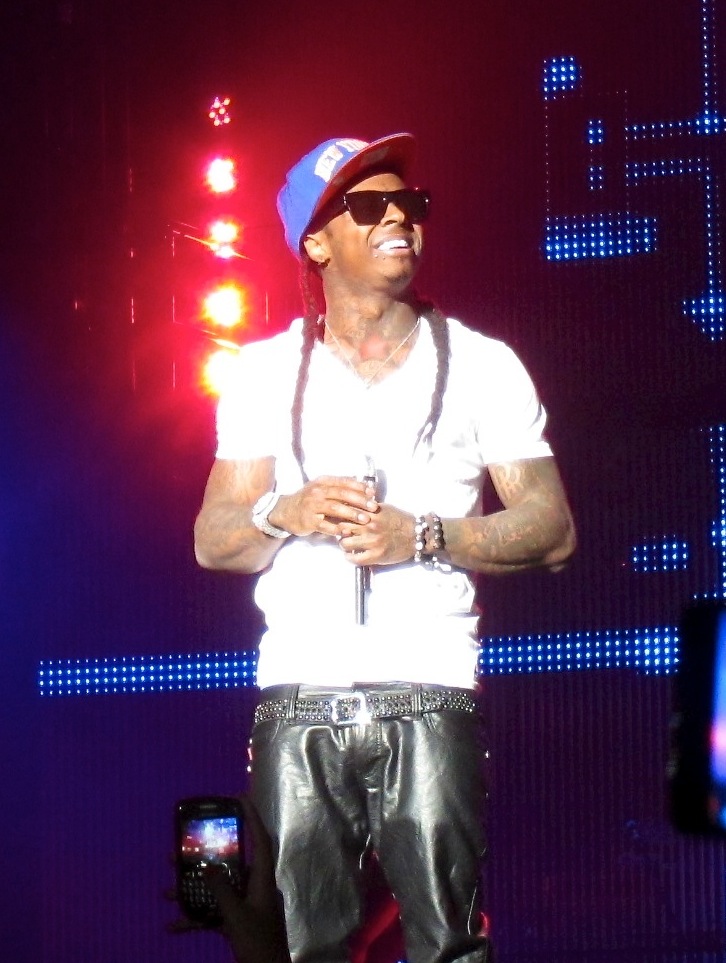
Early life and career beginnings
Born in the early 1980s in New Orleans, Carter joined Cash Money Records while still a teenager. He first recorded as part of the Hot Boys collective; the group's early releases introduced him to a national audience. His first widely noted solo album arrived in 1999 and debuted high on national charts, establishing him as a commercial presence and earning industry recognition that set the stage for his later mainstream breakthroughs.
Musical style and artistic traits
Lil Wayne is widely recognized for a distinctive vocal timbre, inventive wordplay and an often improvisational flow. His lyrics range from braggadocio and street narratives to introspective and playful lines, with heavy use of metaphors, punchlines and internal rhyme. Over time he has experimented with different production styles and adopted elements of melodic rap and auto-tuned singing in certain records, reflecting wider trends in hip hop while maintaining a personal signature.
Major releases, mixtapes and collaborations
His catalog includes both group records and numerous solo albums and mixtapes. Notable releases across his career include early Hot Boys material, his solo debut in the late 1990s, and later multi-platinum projects that cemented his mainstream profile. Carter has also been an in-demand guest artist, appearing on many high-profile singles and collaborating with peers and a younger generation of stars.
- Early group work with the Hot Boys and Cash Money labelmates
- Solo albums that broadened his audience and chart performance
- A long series of mixtapes that showcased experimentation and lyrical agility
- Collaborations that helped popularize Southern hip hop nationally
Business activities and influence
Beyond performance, Carter has operated in an executive role, founding or co-founding a record imprint that signed and promoted other successful artists. Through that platform he played a visible part in mentoring and elevating younger talent, contributing to the visibility of new voices in hip hop. His approach to mixtapes, prolific guest spots and a distinctive persona influenced how rappers build careers in the 21st century.
Recognition, challenges and legacy
Throughout his career he has received significant industry awards and mainstream acclaim, while also navigating legal and health challenges that have made news. Regardless of controversies, many critics and peers regard him as an important figure in modern hip hop for his lyrical influence, business initiatives and role in popularizing Southern rap styles. His body of work continues to be referenced by artists and to appear in discussions of 21st-century popular music.
Selected facts and context
- Started recording professionally as a teenager with a regional rap collective.
- Grew from group member to solo star with crossover chart success.
- Known for a prolific output including studio albums and mixtapes.
- Founded a label that helped launch other high-profile artists.
Over time Lil Wayne's combination of technical skill, risk-taking in wordplay and business activity has made him a central figure in conversations about the evolution and commercialization of hip hop in the 2000s and 2010s.
Questions and answers
Q: Who is Lil Wayne?
A: Lil Wayne is an American rapper and record executive who joined the Cash Money Records collective as a teenager.
Q: When was Lil Wayne's first album released?
A: Lil Wayne's first album with Hot Boys, Get It How U Live, was released in 1997.
Q: When did Lil Wayne's solo debut album come out?
A: Lil Wayne's solo debut album, Tha Block is Hot, came out in 1999.
Q: How did Tha Block is Hot perform in the charts?
A: Tha Block is Hot debuted in the top ten on the American Billboard 200 chart.
Q: Was Lil Wayne nominated for any awards in 1999?
A: Yes, Lil Wayne was nominated for "Best New Artist" from the magazine in 1999.
Q: On which singles by other rappers was Lil Wayne featured in 2000?
A: Lil Wayne was featured on "Bling Bling" by B.G. and "#1 Stunna" by the Big Tymers in 2000.
Q: With whom did Lil Wayne work on the album True Story?
A: Lil Wayne worked with B.G. on the album True Story before eventually recording for the Cash Money Records label.
Related articles
Author
AlegsaOnline.com Lil Wayne (Dwayne Michael Carter Jr.) Leandro Alegsa
URL: https://en.alegsaonline.com/art/124381
Sources
- mtv.com : Mary J. Blige 'Lives' Again On TV Soap; Plus Remy Ma, Lil Wayne, Nelly, Amy Winehouse, Scarlett Johansson, Zac Efron & More, In For The Record
- tmz.com : Lil Wayne hospitalized from seizures, critical condition
- news.yahoo.com : "Rapper Lil Wayne to be sentenced in NYC gun case"