
Laxmi Prasad Devkota: Nepali Mahakavi and Modern Literary Pioneer
Overview of Laxmi Prasad Devkota (1909–1959), Nepal's celebrated poet and writer, his major works, style, influence on Nepali literature, and continuing legacy.
Overview
Laxmi Prasad Devkota (1909–1959) is widely regarded as one of Nepal's foremost literary figures and is commonly honored with the title Mahakavi (The Great Poet). A prolific poet, novelist, playwright and scholar, he wrote in Nepali and drew on classical and modern influences to shape a voice that remains central to Nepali literature. Devkota is often remembered by readers as a humane and compassionate writer, sometimes called the "poet with the golden heart."
Image gallery
7 Images


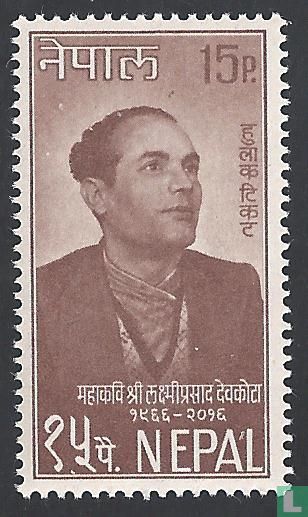
Life and career
Devkota combined traditional learning in Sanskrit with exposure to contemporary ideas of his time. His career spanned poetry, drama, essays and fiction; he engaged with social themes as well as personal and philosophical questions. Although details of his personal life have been examined by historians and scholars, his public reputation rests chiefly on the strength and range of his writing. For a concise biographical overview, see biography resources.
Major works
He produced work across multiple genres. Among his best-known creations are narrative and lyrical poems, dramatic pieces and longer fictional forms. Notable titles frequently cited in surveys of Nepali literature include:
- Muna Madan — a narrative poem widely read and taught in Nepal
- Sulochana — a dramatic or narrative work admired for its character study
- Kunjini — lyrical poetry reflecting personal and aesthetic concerns
- Sakuntala — a play that adapts classical themes for a modern audience
For collections of his fiction and novels, consult editions and commentaries listed at novel and fiction archives.
Style, themes and significance
Devkota is credited with introducing and popularizing new rhythms and modes of expression in Nepali, including more conversational diction and expanded metrical possibilities. His work frequently blends humanist sympathy with philosophical reflection, exploring love, social injustice, exile, and the tensions between tradition and modernity. Critics note his facility with both lyrical intimacy and larger narrative forms, which helped make his writing accessible to general readers while still rewarding close study.
Legacy and influence
His standing as Mahakavi reflects both critical acclaim and popular esteem. Devkota's poems and stories have been translated into multiple languages and continue to be the subject of academic study, theatrical adaptation and school curricula. Cultural institutions and publications commemorate his contributions; for overviews of his role in Nepali literary history see general surveys of Nepali literature at literature overviews and archival materials at archive listings.
Devkota's combination of poetic imagination, social conscience and linguistic innovation makes him an enduring figure in South Asian letters. Readers approaching his work today encounter a writer who sought to speak to ordinary lives while engaging with broad philosophical concerns, securing his place among the most influential writers in the Nepali language.
Questions and answers
Q: Who was Laxmi Prasad Devkota?
A: Laxmi Prasad Devkota was a Nepali poet, playwright, scholar, and novelist.
Q: What is Laxmi Prasad Devkota known for?
A: Laxmi Prasad Devkota is known for his contribution to Nepali Literature and is given the title of Mahakavi meaning The Great Poet.
Q: What is Laxmi Prasad Devkota's nickname?
A: Laxmi Prasad Devkota is known as the poet with the golden heart.
Q: What are some of Laxmi Prasad Devkota's famous works?
A: Some of Laxmi Prasad Devkota's famous works are Muna Madan, Sulochana, Kunjini, and Sakuntala.
Q: What is the significance of the title Mahakavi?
A: The title Mahakavi in Nepali Literature is given to those who are considered great poets, reflecting their contribution to the language and literature.
Q: What was Laxmi Prasad Devkota's profession?
A: Laxmi Prasad Devkota was a multifaceted individual who worked as a poet, playwright, scholar, and novelist.
Q: In which country did Laxmi Prasad Devkota make his contributions to literature?
A: Laxmi Prasad Devkota made his contributions to Nepali Literature, which means he is from Nepal.
Related articles
Author
AlegsaOnline.com Laxmi Prasad Devkota: Nepali Mahakavi and Modern Literary Pioneer Leandro Alegsa
URL: https://en.alegsaonline.com/art/124125
Sources
- recordnepal.com : "A voice from the past speaking to the present"
- bossnepal.com : "The great poet Laxmi Prasad Devkota"