
Lawrence Welk
American bandleader, accordionist and television impresario (1903–1992) best known for The Lawrence Welk Show and his trademark “champagne music.”
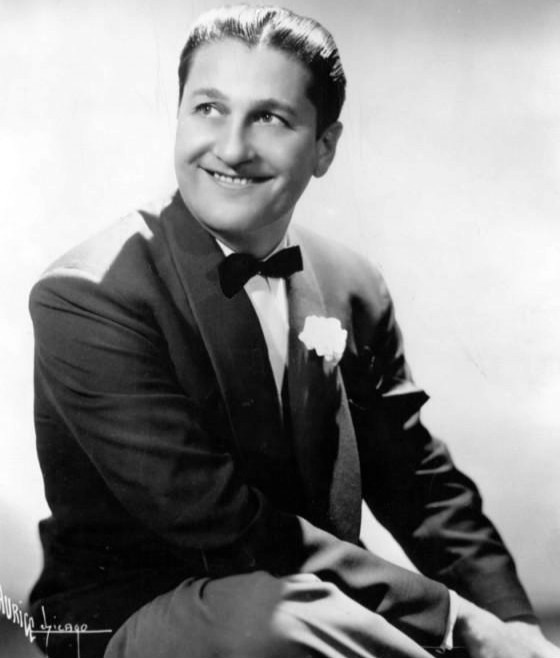
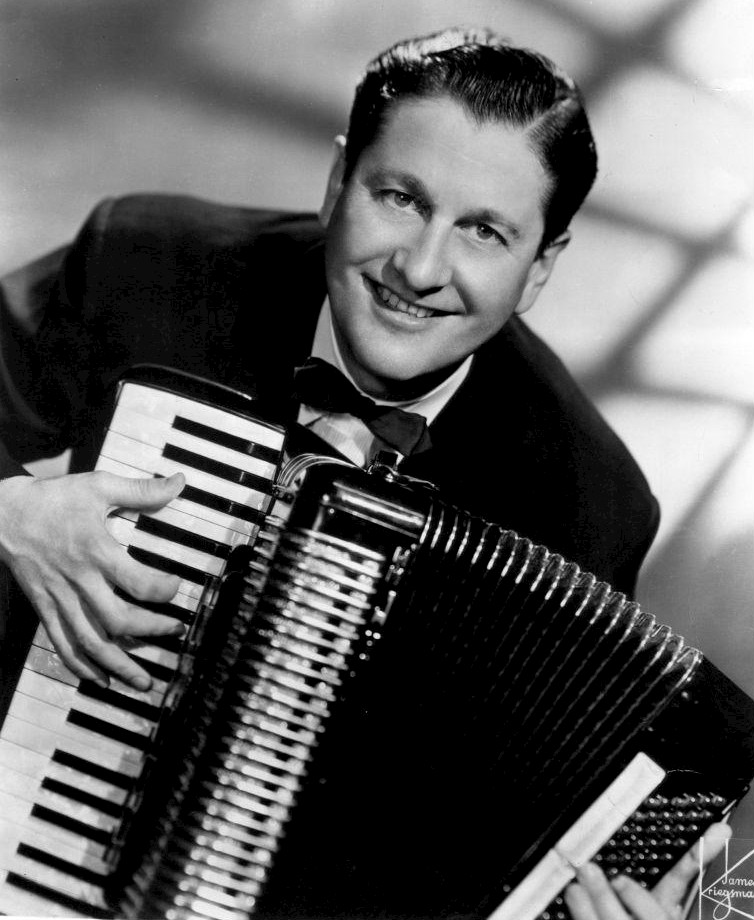
Lawrence Welk (March 11, 1903 – May 17, 1992) was an American musician and entertainer whose clean, melodic style reached millions of listeners and viewers. Over a career that spanned recordings, radio and television, Welk became synonymous with a polished, easy-listening sound he called "champagne music." He led a long-running variety program that brought dance-band arrangements, vocal groups and instrumental solos into many American homes.
Image gallery
7 Images



Early life and musical development
Born to a farming family in North Dakota, Welk learned several instruments as a youth and made the accordion his signature voice. As an accomplished accordionist, he toured with dance bands and played for radio broadcasts during the 1920s and 1930s. Those experiences shaped his emphasis on clarity, steady rhythms and repertoire suited to social dancing and family listening.
The television program and public profile
Welk’s visibility rose dramatically when he moved into television, debuting a regular weekly program in the mid-1950s that continued in first-run and syndication through the early 1980s. As a bandleader and on-screen host he presented a rotating company of singers, instrumentalists and dancers, staging medleys, polkas, waltzes and popular standards to suit a broad audience. The show, titled The Lawrence Welk Show, became notable for its predictable, family-oriented format and long-term performers.
Ensemble, repertoire and style
Welk’s orchestra blended brass, reeds, strings and rhythm with featured soloists; arrangements favored clear melodies and unobtrusive accompaniment. The program showcased regular acts and newcomers alike; the format encouraged a mixture of novelty numbers, traditional tunes and contemporary standards presented in a conservative, accessible manner.
Notable performers and format features
- Vocal groups and soloists who gained national recognition through the show.
- Recurring segments for danceable tunes such as polkas and waltzes.
- A steady visual and musical aesthetic that emphasized wholesome entertainment.
Welk managed his business interests with a producer’s eye, expanding the program into recordings, touring and branded ventures that sustained the orchestra’s profile. As an impresario he cultivated a dependable audience and a distinct niche in American popular culture, while continuing to record and perform into his later years.
Legacy and recognition: Welk’s long-running broadcast maintained a devoted following through reruns and syndication, and his influence on the easy-listening and family-variety tradition is often noted. Biographical profiles and popular-media polls have ranked him among influential television personalities; his career is documented in retrospectives of mid-20th-century entertainment, recordings and archives kept by institutions and collectors. For further context on his life and career, see archival materials and retrospective sources linked to his recorded output and programs (career overview).
Welk’s polished presentation, characteristic musical textures and decades-long visibility left a clear imprint on the variety-show format and on how mainstream audiences experienced orchestral popular music in the television age.
Questions and answers
Q: Who was Lawrence Welk?
A: Lawrence Welk was an American musician, accordionist, bandleader, and television impresario.
Q: When did he host The Lawrence Welk Show?
A: He hosted The Lawrence Welk Show from 1955 to 1982.
Q: What style of music did he play?
A: He played a style of music known as "champagne music".
Q: How was he ranked by TV Guide?
A: He was ranked #43 on TV Guide's 50 Greatest TV Stars of All Time.
Q: When was Lawrence Welk born?
A: Lawrence Welk was born on March 11, 1903.
Q: When did he die?
A: He died on May 17, 1992.
Related articles
Author
AlegsaOnline.com Lawrence Welk Leandro Alegsa
URL: https://en.alegsaonline.com/art/124121
Sources
- minneapolisfed.org : "Consumer Price Index (estimate) 1800–2008"
- lib.ndsu.nodak.edu : www.lib.ndsu.nodak.edu
- redhotjazz.com : "Lawrence Welk's Novelty Orchestra"
- macphail.org : "MacPhail History"
- findagrave.com : "Fern Veronica Renner Welk"
- internationalpolka.com : "Lawrence Welk"