
Lawrence Oates: British cavalry officer and Antarctic explorer
Brief, balanced account of Lawrence Oates (1880–1912), his role on the Terra Nova Expedition, the circumstances of his death, and his legacy in polar history and public memory.
Overview
Lawrence Edward Grace "Titus" Oates (1880–1912) was a British cavalry officer and a member of Robert Falcon Scott's ill-fated Terra Nova Expedition. Trained as a mounted officer, he brought practical field skills and an equestrian background to polar service; contemporary accounts describe him as reserved, matter-of-fact, and steady under pressure. His name is permanently associated with a dramatic and much-discussed act during the expedition's return from the Antarctic interior.
Image gallery
6 Images



Antarctic expedition and final act
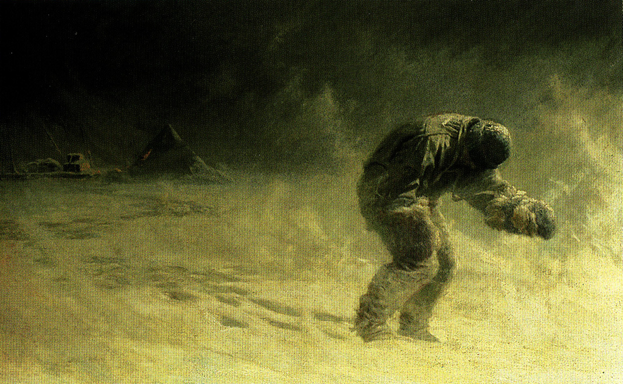
Oates joined the 1910–1913 British Antarctic Expedition, commonly called the Terra Nova Expedition, which aimed to reach the South Pole and to conduct scientific work. During the return march from the pole the party encountered extreme cold, dwindling supplies, and sickness. Oates suffered severe foot injuries that developed into gangrene and frostbite, which made him a burden to the already-struggling team. In the final days, when his condition threatened the survival of his companions, he left the shelter of the tent — the last described act was that he walked out into a storm — and did not return. Reports describe him leaving the tent and walking into a blizzard to prevent slowing the others, an action often characterized as deliberate self-sacrifice.
Context and contemporary reports
Eyewitness accounts come largely from the remaining expedition members and from Scott's written records. Those accounts record the practical hardship Oates endured and the apparent intent behind his departure from the tent. The phrase popularly attributed to him as he left — sometimes quoted in paraphrase — has entered public memory, though the precise words and the circumstances have been examined and discussed by historians. The scene has been interpreted both as an act of stoic duty and as a tragic consequence of extreme conditions.
Career, character and background
Before Antarctic service Oates was a career cavalry officer, and his military background shaped his approach to hardship and responsibility. He was known to fellow explorers for quiet courage and a laconic manner. Modern commentators often contrast his temperament with other expedition members to explain why his reported final choice became emblematic: it fit a broader cultural ideal of sacrifice in service of comrades. For further background on his life and military service see general biographical sources and military records; a concise account is available in several contemporary summaries and specialist studies such as those noted by polar historians.
Legacy and memorials
Oates's death has been commemorated in writings, monuments, and cultural references. Memorials in Britain and mentions in histories of polar exploration keep his story in public view. Some lists of memorials note plaques and inscriptions that honor his decision; others point to literary and popular treatments that use his image as an example of self-sacrifice. Debates continue among historians about the most accurate interpretation of events, but most agree that his choice (as recorded by his companions) was a decisive and tragic moment in the expedition's story.
Why Oates remains notable
- He is a widely cited example in discussions of leadership, duty, and ethics under extreme conditions.
- His story is part of the broader narrative of the Heroic Age of Antarctic Exploration and of the fate of the Terra Nova party.
- His conduct is referenced in educational treatments of exploration history and in commemorative material; for reflections on the medical and environmental stresses that contributed to his condition, see summaries of expedition health and polar medicine sources, and entries in specialized repositories such as military records or expedition archives.
For further reading, curated collections and museum materials provide primary documents and scholarly commentary. Additional context on polar equipment, medical effects of cold, and the logistical challenges faced by early twentieth-century expeditions can be found in resources maintained by institutions and in introductory historical works on Antarctic exploration (expedition accounts, medical reviews, and selected archival compilations). Discussions of the ethics and rhetoric of heroism often cite his case and invite comparison with other choices made in extreme environments (medical and cultural perspectives).
Readers seeking concise primary texts and later analyses can consult digitized expedition journals, museum exhibits, and reputable historical summaries; many such resources provide scanned pages, photographs, and interpretive essays that illuminate both the human story and the harsh conditions that shaped it (storm and weather reports, historian commentary). Oates's name remains a touchstone in accounts of endurance, duty, and the human cost of polar exploration.
Questions and answers
Q: Who was Lawrence Oates?
A: Lawrence Oates was a British cavalry officer and an Antarctic explorer.
Q: When did Lawrence Oates die?
A: Lawrence Oates died on March 16, 1912.
Q: How did Lawrence Oates die?
A: Lawrence Oates walked from his tent into a blizzard, while he had gangrene and frostbite, thus resulting in his death.
Q: Why is Lawrence Oates' death seen as an act of sacrifice?
A: Lawrence Oates knew that his sickness risked the survival of his three crew mates, so he chose certain death to increase their survival chances.
Q: What was the Terra Nova Expedition?
A: The Terra Nova Expedition was an expedition to Antarctica that took place from 1910 to 1913.
Q: What was Lawrence Oates' nickname?
A: Lawrence Oates' nickname was "Titus".
Q: Was Lawrence Oates the only crew member who died during the Terra Nova Expedition?
A: No, Lawrence Oates was not the only crew member who died during the Terra Nova Expedition.
Related articles
Author
AlegsaOnline.com Lawrence Oates: British cavalry officer and Antarctic explorer Leandro Alegsa
URL: https://en.alegsaonline.com/art/124117