
Bluebird K7: Donald Campbell's Jet-Powered Hydroplane
Bluebird K7 was a jet-powered hydroplane raced by Donald Campbell that set seven world water speed records before being destroyed during a 1967 attempt at Coniston Water.
The Bluebird K7 was a specialised high-speed hydroplane built to pursue the World Water Speed Record under the command of British driver Donald Campbell. Unlike conventional displacement boats, the K7 was designed to rise partially out of the water and skim across the surface at extreme speed. It became one of the most famous record boats of the mid-20th century, credited with setting multiple official records and pushing the limits of marine engineering.
Image gallery
9 Images



Design and technical characteristics
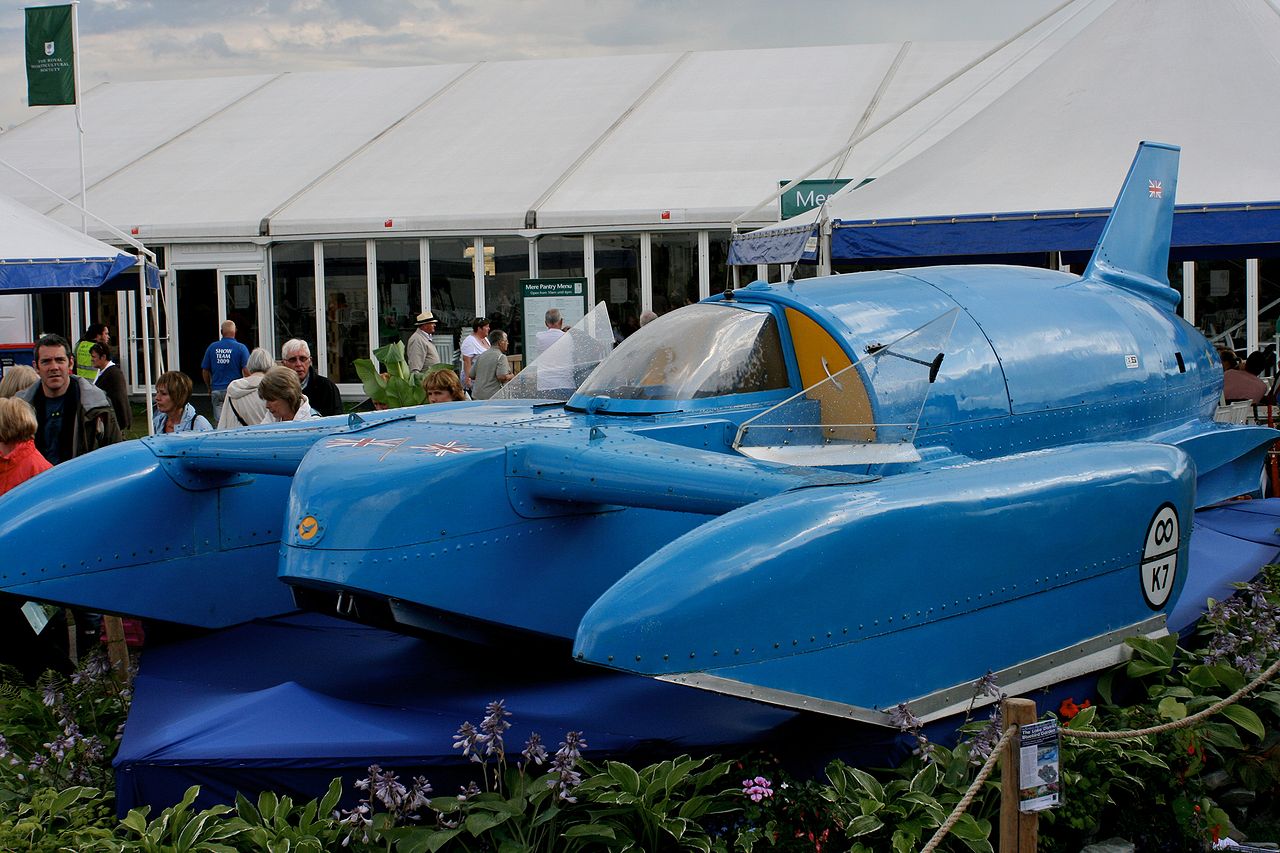
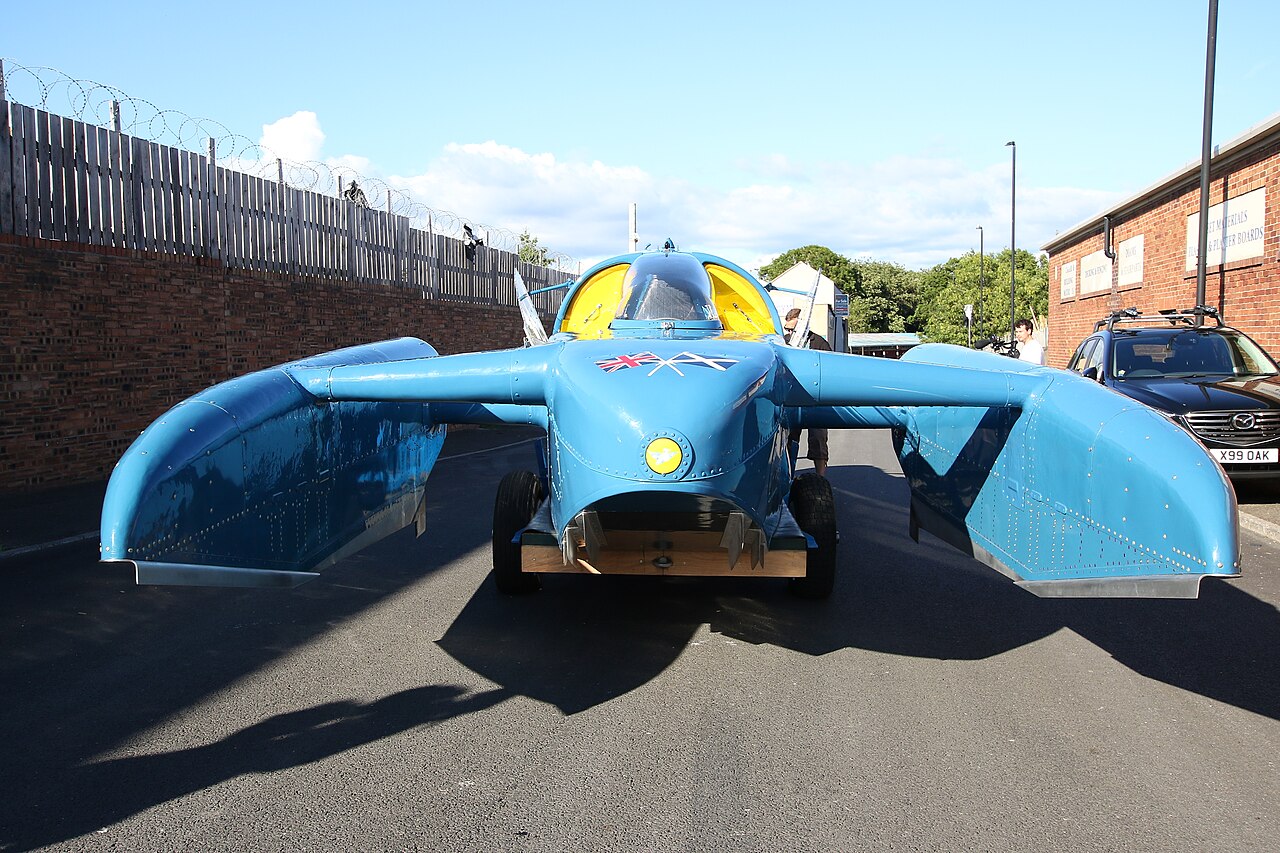
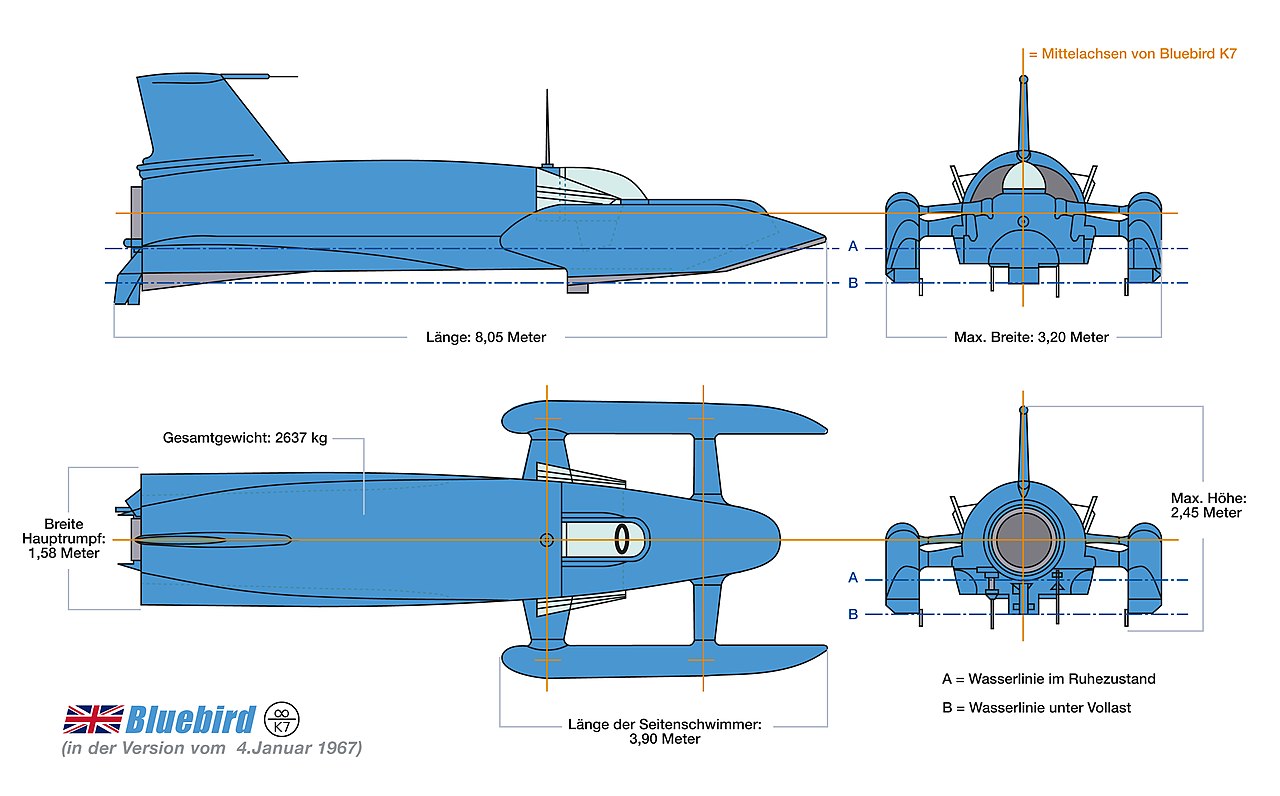
As a hydroplane, Bluebird K7 used a planing hull that reduced wetted surface area at speed. The hull and underbody were shaped to generate lift, and the craft ran on three contact points—the two forward sponsons and a rear planing area—often described as a "three-point" configuration. This arrangement lowers drag but demands precise balance and control because stability can change rapidly with small attitude shifts.
Power was provided by a jet engine, a distinctive choice for water-speed craft that enabled very high top speeds by producing continuous thrust without propellers. The use of a jet engine required careful integration of intake and exhaust systems, structural reinforcement to withstand thrust loads, and aerodynamic consideration to manage spray and airflow over the craft.
Record attempts and performance
During the 1950s and 1960s Bluebird K7 repeatedly raised the official water-speed mark. Over several runs it established seven world records, achieving a peak officially recorded speed of 276 mph (445 km/h). The boat’s successes made Campbell and the K7 household names and showcased advances in hull design, materials and high-speed marine control techniques.
Crash, aftermath and legacy
In 1967, while attempting to exceed 300 mph (480 km/h) on Coniston Water, Campbell's Bluebird K7 broke apart and was destroyed; Campbell was killed in the accident. The loss underscored the extreme risks inherent in pushing hydrodynamic and aerodynamic limits on water. The K7 remains notable for combining jet propulsion with hydroplane design and for its role in the history of speed records. Its story influenced later safety thinking, museum displays and continuing public interest in record-breaking craft and the people who raced them.
- Type: Three-point hydroplane
- Propulsion: Jet engine
- Records: Seven world water speed records; top recorded speed 276 mph (445 km/h)
- Fate: Destroyed during 1967 record attempt
Questions and answers
Q: What was Bluebird K7?
A: Bluebird K7 was a boat built for Donald Campbell to break the World Water Speed Record.
Q: What kind of boat was Bluebird K7?
A: Bluebird K7 was a hydroplane.
Q: What makes a hydroplane special?
A: A hydroplane skims over the top of the water instead of pushing through it like a normal boat.
Q: What powered Bluebird K7?
A: Bluebird K7 was powered by a jet engine.
Q: How many times did Bluebird set new world water speed records?
A: Bluebird set new world water speed records seven times.
Q: What was the fastest speed that Bluebird reached?
A: The fastest speed that Bluebird reached was 276 mph (445 km/h).
Q: What happened to Bluebird K7 in 1967?
A: Bluebird K7 was destroyed when Campbell tried to set an eighth record by going faster than 300 mph (480 km/h) on Coniston Water in 1967.
Related articles
Author
AlegsaOnline.com Bluebird K7: Donald Campbell's Jet-Powered Hydroplane Leandro Alegsa
URL: https://en.alegsaonline.com/art/12393