
Koxinga (Zheng Chenggong): Ming loyalist and founder of the Kingdom of Tungning
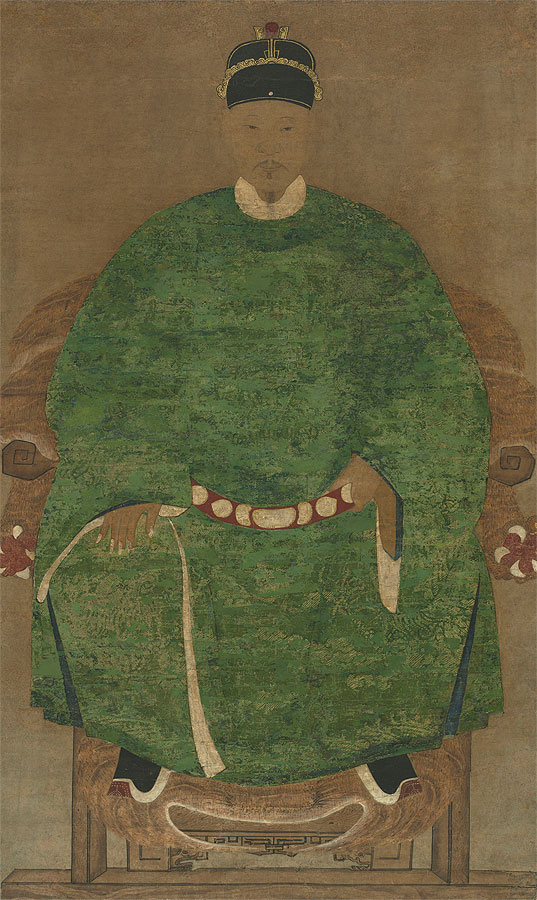
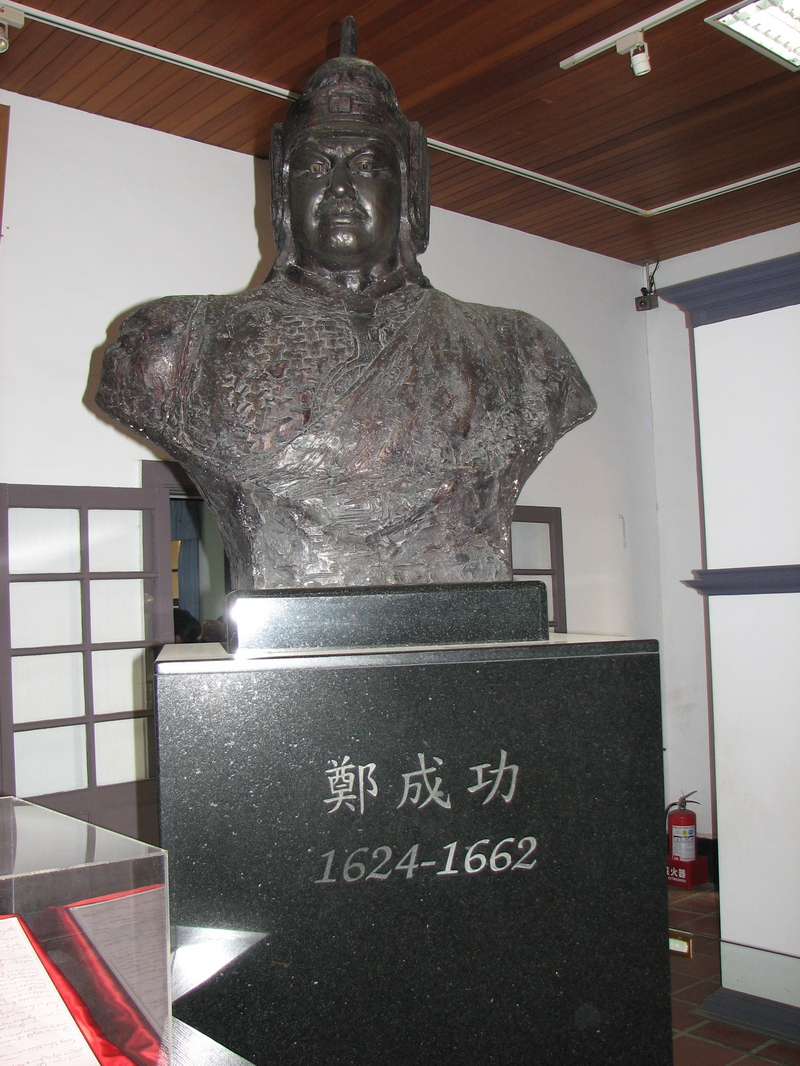
Zheng Chenggong (1624–1662), known as Koxinga, led Ming loyalist resistance at the Ming–Qing transition and expelled the Dutch from Taiwan in 1662, establishing a short-lived Chinese base on the island.
Overview
Koxinga is the Western rendering of the honorific Guóxìngyé given to Zheng Chenggong (1624–1662). He emerged during the turbulent fall of the Ming Dynasty and the rise of the Qing, leading maritime forces that sought to restore Ming authority. His most famous achievement was expelling European colonists from parts of the East Asian seaboard and briefly establishing a Ming-aligned polity.
Image gallery
7 Images




Origins and maritime power
Zheng Chenggong came from a prominent maritime family: his father was a successful merchant and naval commander, and his mother was of Japanese origin. Trained in seafaring, Zheng combined merchant networks, private naval forces, and coastal fortifications to contest Qing advances. His fleet drew on both commercial trade and armed resistance, blending guerrilla and conventional naval tactics.
Campaigns and conquest of Taiwan
In the context of Ming resistance, Zheng turned his attention to the island of Taiwan, then partly controlled by European colonists. In 1661–1662 he mounted a campaign that culminated in the Siege of Fort Zeelandia, the principal Dutch stronghold. After forcing the Dutch garrison to surrender, he removed European rule from much of the island and established a new base for Ming loyalist activities.
Kingdom of Tungning and succession
Following the Dutch withdrawal, Zheng founded what is commonly called the Kingdom of Tungning, which functioned as a refuge and staging ground for efforts against the Qing. Zheng died in 1662, shortly after the Taiwan campaign, and leadership passed to his descendants, who governed Taiwan for several decades while navigating diplomacy, trade, and military pressure from mainland powers.
Legacy and historical significance
Koxinga is remembered differently across regions: celebrated in Taiwan as a formative anti-colonial figure and remembered on the mainland and among Chinese communities as a Ming loyalist. Temples, folk stories, and modern historiography reflect his mixed legacy—part military leader, part maritime entrepreneur, and part symbol of resistance during a dynastic transition.
Notable facts
- His sobriquet means "Lord with the Imperial Surname," reflecting Southern Ming recognition.
- The conquest of Dutch-held territory ended significant European colonial presence on parts of the island and reshaped regional trade.
- The central military episode that brought him lasting fame is the Siege of Fort Zeelandia, where negotiations and a prolonged blockade led to surrender.
- His struggle illustrates how seaborne commerce, piracy, and politics intertwined during the 17th-century East Asian maritime world.
For further context about the period and colonial interactions, see studies of the late Ming maritime networks and the Dutch presence in East Asia (Dutch sources and local records), which shed light on why Taiwan became strategically important during Zheng's campaigns.
Questions and answers
Q: Who is Koxinga?
A: Koxinga is the traditional Western spelling of Zheng Chenggong, a leader at the end of the Chinese Ming Dynasty.
Q: When did Koxinga claim Taiwan?
A: Koxinga claimed Taiwan in 1662.
Q: What was the name of the fort that Koxinga besieged to claim Taiwan?
A: Koxinga besieged Fort Zeelandia.
Q: Did Koxinga defeat the Dutch to claim Taiwan?
A: Yes, Koxinga defeated the Dutch to claim Taiwan.
Q: What is the significance of Koxinga's victory in Taiwan?
A: Koxinga's victory in Taiwan marks the end of Dutch colonial rule in the area.
Q: When was Koxinga born?
A: Koxinga was born in 1624.
Q: What does the name Koxinga mean?
A: Koxinga means "Lord with the Imperial Surname."
Related articles
Author
AlegsaOnline.com Koxinga (Zheng Chenggong): Ming loyalist and founder of the Kingdom of Tungning Leandro Alegsa
URL: https://en.alegsaonline.com/art/123843
Sources
- commons.wikimedia.orgKoxinga.html : Koxinga
- premier.com.tw : Koxinga's Shrine
- wikidata.orgQ197615.html : wikidata.orgq197615.html
- catalogue.bnf.fr : cb161440677
- data.bnf.fr : (data)
- d-nb.info : 11882225X
- isni.org : 0000 0000 6674 7108
- id.loc.gov : n83024080
- id.ndl.go.jp : 00625618
- aleph.nkp.cz : jo2009409316
- data.bibliotheken.nl : 139496017
- snaccooperative.org : w63f6998
- idref.fr : 086172573
- trove.nla.gov.au : 1438888
- viaf.org : 5727768