
Ken Thompson (computer scientist)
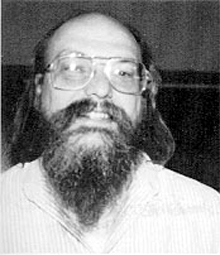
Ken Thompson (born 1943) is an American computer scientist best known as co‑creator of the UNIX operating system, author of early system software and algorithms, and a Turing Award laureate.
Overview
Kenneth Lane "Ken" Thompson (born February 4, 1943) is an American computer scientist whose work shaped modern operating systems and programming tools. Born in New Orleans, in Louisiana, Thompson rose to prominence at Bell Labs where he and colleagues designed one of the most influential operating systems, UNIX.
Image gallery
5 Images


Major contributions
Thompson combined practical engineering with elegant ideas. His projects and inventions include:
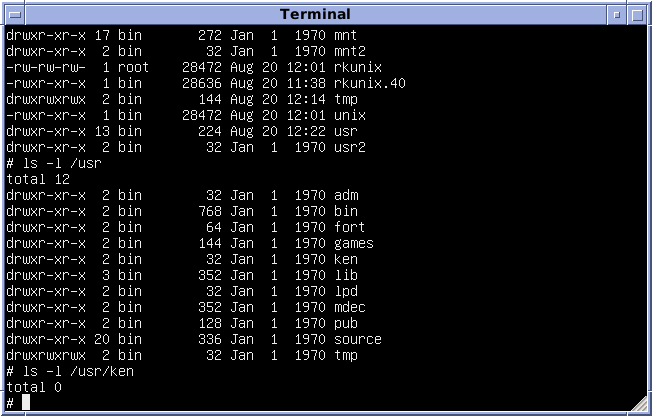
- Co‑design and early implementation of the UNIX operating system and its philosophy of small tools that compose.
- Design of early programming languages and tools such as the B language and the original Thompson shell.
- Foundational algorithms for regular expression matching and text processing, used in utilities like grep and ed.
- Development of UTF‑8 character encoding (with Rob Pike), and work on later systems research including Plan 9 and Inferno concepts.
Career and development
After completing his studies at the University of California, Berkeley, Thompson joined Bell Laboratories, where a small team produced UNIX as a compact, portable operating system that emphasized simple, intersecting tools. His practical programs, from compilers to shells and text utilities, demonstrated how concise software could be powerful and reusable. Later in his career he continued systems research and worked in industry settings beyond Bell Labs.
Legacy and honors
Thompson's influence reaches across operating systems, programming languages and software engineering. He shared the 1983 Turing Award with Dennis Ritchie for their work on UNIX and received national recognition for advancing computing. His ideas about simplicity, tooling and text processing remain central to software practice and education.
Questions and answers
Q: Who is Ken Thompson?
A: Ken Thompson is an American computer scientist.
Q: When was Ken Thompson born?
A: Ken Thompson was born on February 4, 1943.
Q: Where was Ken Thompson born?
A: Ken Thompson was born in New Orleans, Louisiana.
Q: What did Ken Thompson co-create?
A: Ken Thompson co-created the UNIX operating system.
Q: What is Ken Thompson's full name?
A: Ken Thompson's full name is Kenneth Lane Thompson.
Q: What is Ken Thompson's profession?
A: Ken Thompson is a computer scientist.
Q: What is Ken Thompson's contribution to the field of computing?
A: Ken Thompson's contribution to the field of computing is the co-creation of the UNIX operating system.
Related articles
Author
AlegsaOnline.com Ken Thompson (computer scientist) Leandro Alegsa
URL: https://en.alegsaonline.com/art/123622