
Ken Livingstone
British socialist politician; leader of the Greater London Council (1981–86), first Mayor of London (2000–08), and former MP for Brent East. Known for transport and urban policies and a polarising public profile.
Overview
Kenneth Robert "Ken" Livingstone (born 17 June 1945) is a British left‑wing politician who has played a prominent role in London government since the late 20th century. He led the Greater London Council (GLC) from 1981 until its abolition in 1986, later served as Member of Parliament for Brent East from 1987 to 2001, and became the first Mayor of London when the office was created in 2000. He was elected mayor initially as an Independent after the Labour Party did not nominate him, and was re‑admitted to Labour in 2004 before winning re‑election as the party's official candidate with a large share of first and second preference votes.
Image gallery
10 Images


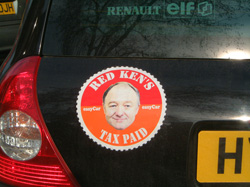


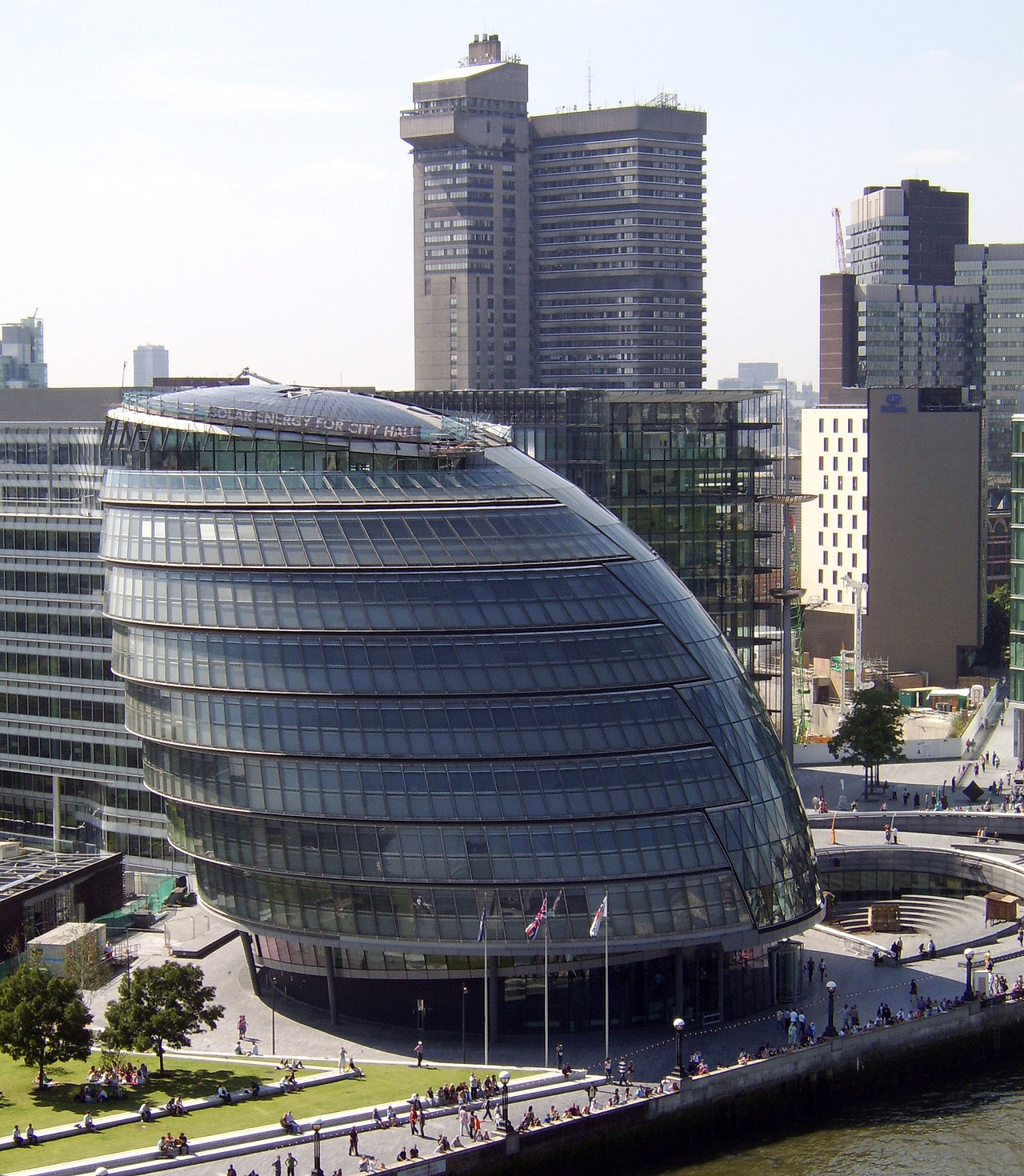


Political career and offices
Livingstone first gained public attention as leader of the GLC, where his administration pursued progressive social policies and high‑profile cultural and community initiatives. The Conservative national government abolished the GLC in 1986, a move that remains a landmark in UK local‑government history. After serving in Parliament for Brent East, he focused on citywide governance and was elected Mayor of London in 2000. During his mayoralty he developed a visible personal style and a reputation as a campaigner for urban investment, public transport reform, and environmental measures.
Key policies and programs
- Transport and fares: His mayoralty oversaw major changes to London transport policy, including the introduction of a congestion charging scheme and the rollout of the Oyster smartcard system, measures intended to manage traffic and simplify fares.
- Institution building: The early years of the Greater London Authority and the Mayor's office under Livingstone laid the groundwork for agencies with citywide responsibilities, such as Transport for London and urban development bodies.
- Social and environmental initiatives: His agenda included measures to promote public transport, reduce emissions, and support cultural and community projects across the capital.
History, reputation and controversies
Livingstone has been a polarising figure: admired by many for his advocacy on social issues and urban policy, and criticised by others for confrontational exchanges with political opponents and media controversies. He was often described as a formidable character in London politics and acquired nicknames reflecting his left‑wing stance. His relationships with Labour Party leadership varied over time; after running as an Independent in the first mayoral contest he was re‑admitted to Labour in early 2004 and stood as the party's candidate that June, winning re‑election with a substantial mandate. On 1 May 2008 he was defeated in his bid for a third term by Conservative Boris Johnson, bringing his mayoral term to an end on 4 May 2008.
Legacy and significance
Livingstone's long involvement in London government helped shape modern city governance in the United Kingdom. His tenure contributed to enduring changes in how transport, planning and strategic investment are managed across London. He remains a widely recognised public figure whose career illustrates tensions between local ambition and national politics, and whose policies continue to inform debates about urban transport, congestion management and the role of elected citywide leadership.
Further reading and references
For official records and biographical summaries see profiles and archives on major political reference sites and institutional pages relating to the Greater London Council, the Mayor's office and parliamentary history. Representative links: biographical overview, GLC history, Mayor of London (office), Labour Party profile, related political figures.
Questions and answers
Q: Who is Kenneth Robert Livingstone?
A: Kenneth Robert Livingstone is a British socialist politician who has twice held leading political roles in London local government.
Q: What were his positions in London local government?
A: He was the leader of the Greater London Council from 1981 until its abolition in 1986, and he was the first Mayor of London from its creation in 2000 until 2008.
Q: Did he hold any other political positions?
A: Yes, he also served as Labour Party Member of Parliament for Brent East between 1987 and 2001.
Q: Was he nominated by the Labour Party as their candidate in the first mayoral elections?
A: No, he was not nominated by the Labour Party as their candidate in the first mayoral elections, but he was elected as an Independent candidate.
Q: When was he re-admitted to the Labour Party?
A: He was re-admitted to the Labour Party in January 2004.
Q: Did he win the June 2004 mayoral election as the official Labour Party candidate?
A: Yes, he won the June 2004 mayoral election as the official Labour Party candidate with a total of 828,380 first- and second-preference votes.
Q: Was he able to win a second re-election bid as Mayor of London?
A: No, he was defeated by the Conservative candidate Boris Johnson in his second re-election bid, and his term as Mayor of London ended on 4 May 2008.
Related articles
Author
AlegsaOnline.com Ken Livingstone Leandro Alegsa
URL: https://en.alegsaonline.com/art/123610
Sources
- news.bbc.co.uk : "Johnson wins London mayoral race"
- commentisfree.guardian.co.uk : "Comment is free", The Guardian, 25 January 2005
- telegraph.co.uk : "Family Detective:Ken Livingstone"
- tulsehillschool.co.uk.html : "Tulse Hill School - Official Website"
- telegraph.co.uk : "Livingstone splits up with long-time lover"
- news.bbc.co.uk : "London's Mayor has five children"
- thisislondon.com : "Our last supper with Ken"
- wsws.org : "Labour moves against Ken Livingstone's candidacy"
- independent.co.uk : "Profile: Ken Livingstone - Loner on the Circle Line"
- news.bbc.co.uk : "The Week in Politics"
- news.bbc.co.uk : Labour backs Dobson for mayor
- news.bbc.co.uk : "Livingstone back in from the cold"
- alg.gov.uk : Londoners views. Findings from the 2003/4 BVPI Surveys
- autocar.co.uk : "Autocar re-invents the Routemaster"
- news.bbc.co.uk : Routemaster makes final journey