
Keith Holyoake
New Zealand statesman: Prime Minister (1957; 1960–1972), later Governor‑General (1977–1980). Long-serving National Party leader known for pragmatic conservatism and steady postwar governance.
Overview
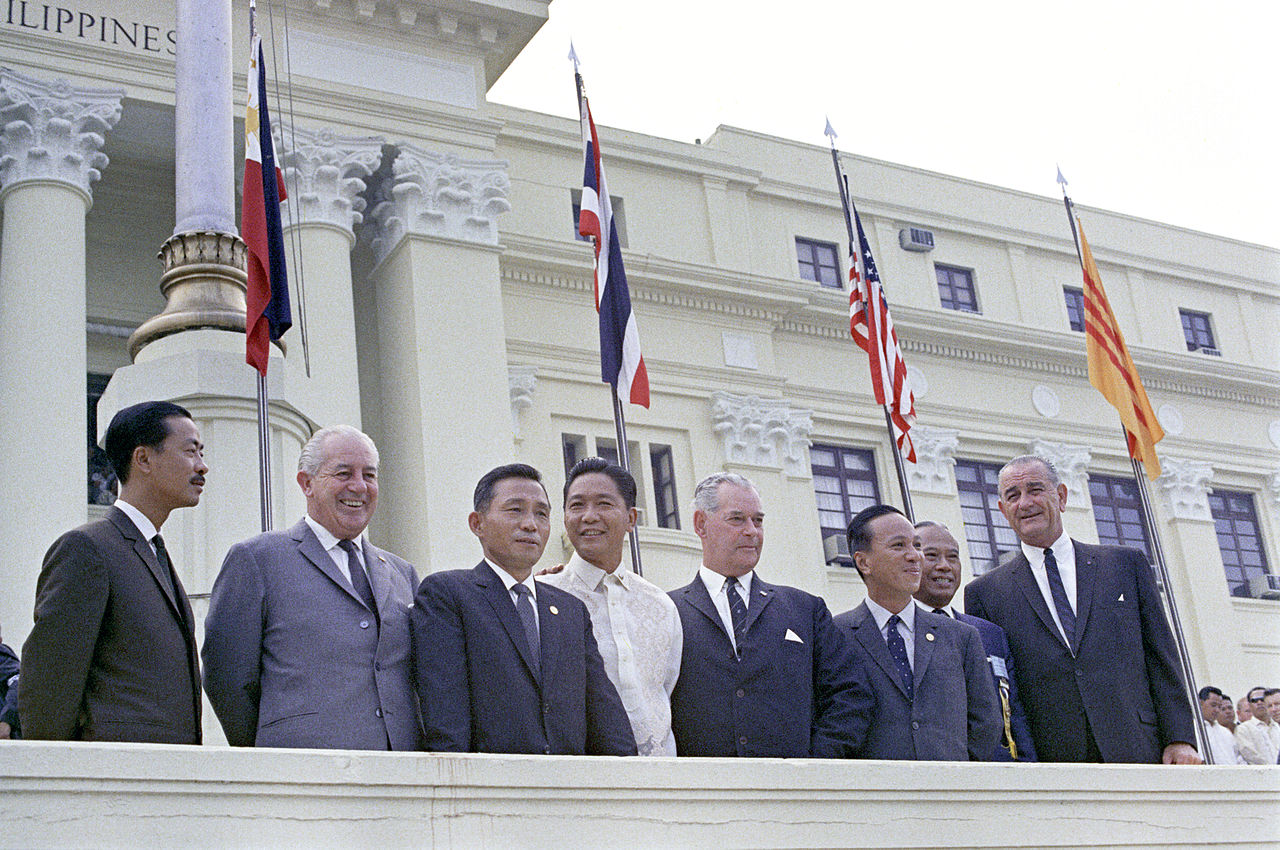
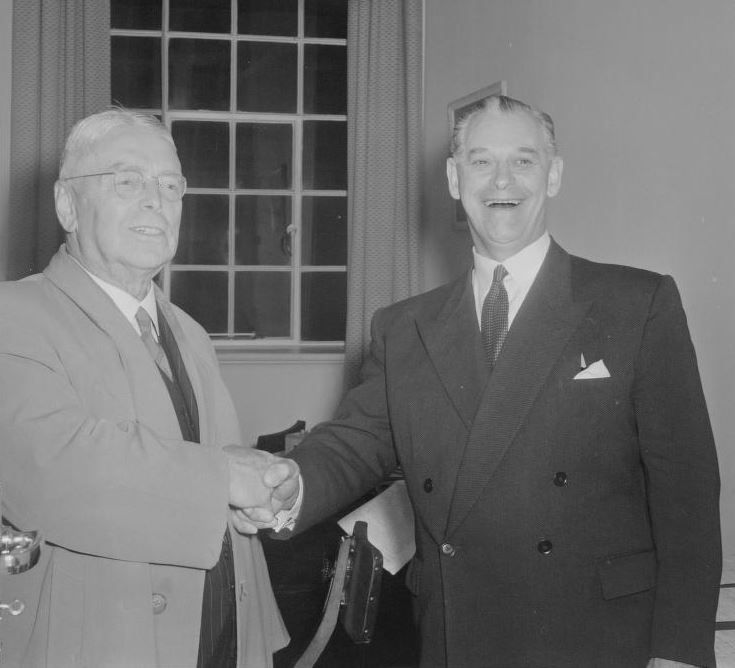
Sir Keith Jacka Holyoake (11 February 1904 – 8 December 1983) was a prominent New Zealand politician who led the country through much of the mid‑20th century. He served briefly as Prime Minister in 1957 and then again from 1960 until 1972. Later he was appointed the 13th Governor‑General of New Zealand, holding that viceregal office from 1977 to 1980. Holyoake was also leader of the National Party and a long‑time member of the nation's political establishment.
Image gallery
8 Images




Political career and major offices
Holyoake's political life spanned several decades and several high offices. He moved from parliamentary roles into party leadership and then to the premiership, where his government presided over a period of relative stability and continuity. He was appointed to Her Majesty's Most Honourable Privy Council and held a number of formal honours during and after his public service.
- Prime Minister of New Zealand (briefly in 1957; 1960–1972)
- Leader of the National Party
- Governor‑General of New Zealand (1977–1980)
- Member of the Privy Council and recipient of several state honours
Leadership style and policies
Holyoake was widely seen as a pragmatic and cautious leader. His government emphasized economic stability, support for farming and rural communities, and a measured approach to social and economic reform. He cultivated close working relations with business and agricultural sectors, and his tenure is often remembered for incremental change rather than sudden transformation. Internationally, his administrations maintained traditional alliances while promoting New Zealand's interests in trade and regional cooperation.
Historical significance and later life
Holyoake is notable for the length and variety of his public service. Few New Zealanders have served at the head of government and later as Governor‑General, a distinction that places his career among the most prominent in the country's modern political history. After leaving active politics, he accepted the viceregal appointment and continued to represent the Crown at home and abroad before retiring from public duties. He died in 1983, and subsequent assessments have emphasized his role in shaping mid‑century New Zealand politics.
Honours, recognition and notable facts
Over his lifetime Holyoake received multiple honours and formal distinctions, reflecting both his domestic service and his role on the international stage. He was a member of the Privy Council and is often referred to by a sequence of post‑nominal letters acknowledging various knighthoods and orders. For more on his official biography and honours see biographical resources and summaries of New Zealand's vice‑regal history at the office of the Governor‑General. Additional context about his membership in the Privy Council appears at relevant records, and general accounts of his awards and distinctions can be found via honours listings.
Holyoake's legacy is mixed: praised for steadiness and moderation by supporters and critiqued by others for resisting faster social change. Nevertheless, his long tenure and unique combination of national leadership and viceregal service make him a central figure in 20th‑century New Zealand history.
Questions and answers
Q: Who was Keith Holyoake?
A: Keith Holyoake was the 26th Prime Minister of New Zealand and the 13th Governor-General of New Zealand.
Q: When did Holyoake serve as Prime Minister?
A: Holyoake served as Prime Minister of New Zealand for a brief period in 1957 and from 1960 to 1972.
Q: What other titles did Holyoake hold?
A: Holyoake was a Member of Her Majesty's Most Honourable Privy Council and used the post-nominal letters KG, GCMG, CH, QSO, and PC.
Q: When was Keith Holyoake born?
A: Keith Holyoake was born on February 11, 1904.
Q: When did Keith Holyoake die?
A: Keith Holyoake died on December 8, 1983.
Q: How many terms did Holyoake serve as Prime Minister of New Zealand?
A: Keith Holyoake served as Prime Minister of New Zealand for two non-consecutive terms.
Q: What is the meaning of the post-nominal letters used by Keith Holyoake?
A: The post-nominal letters used by Keith Holyoake, KG, GCMG, CH, QSO, and PC, are honours and titles awarded for his achievements and contributions to New Zealand and its government.
Related articles
Author
AlegsaOnline.com Keith Holyoake Leandro Alegsa
URL: https://en.alegsaonline.com/art/123498
Sources
- nzhistory.net.nz : "Keith Holyoake"