
Keith Emerson — English keyboardist, composer and progressive rock pioneer
English keyboard virtuoso and composer, co-founder of Emerson, Lake & Palmer; noted for pioneering synthesizer use, classical adaptations in rock and flamboyant stagecraft during the 1960s–1970s.
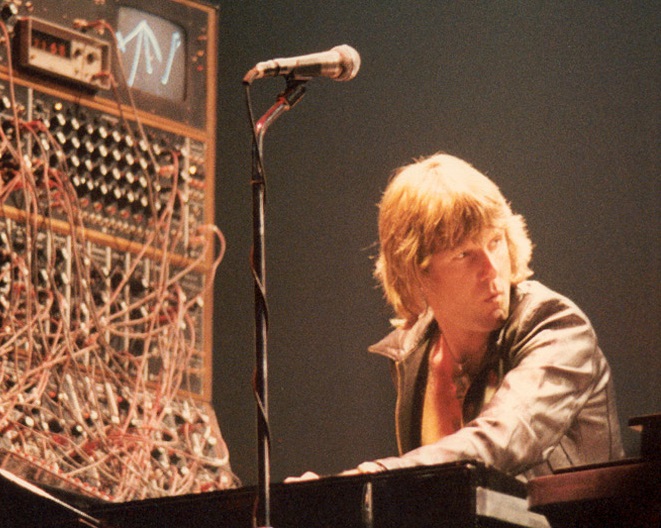
Keith Emerson (2 November 1944 – 10 March 2016) was an English keyboardist and composer whose work helped shape the sound and spectacle of progressive rock. Born in Todmorden in the West Riding of Yorkshire, he first came to public attention in the late 1960s with the group The Nice and achieved international fame after forming Emerson, Lake & Palmer (ELP) in 1970 with Greg Lake and Carl Palmer. Emerson was widely recognised for his technical facility on multiple keyboard instruments, his early championing of the Moog synthesizer as a solo instrument in rock, and for integrating classical themes into rock arrangements.
Image gallery
10 Images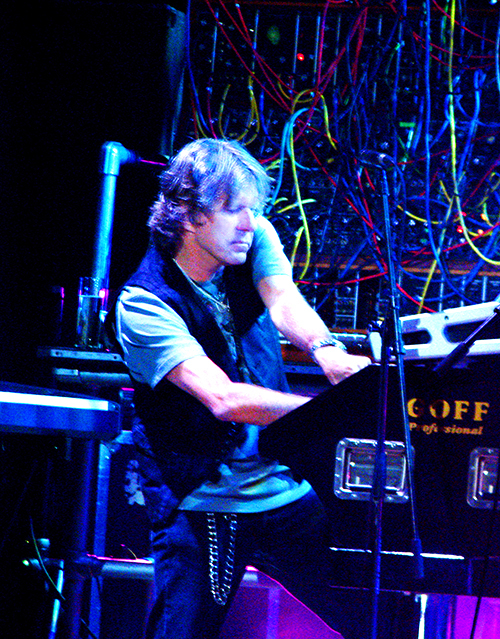



Early life and first bands
Emerson showed an early interest in piano and keyboards and played in several local and regional groups before becoming prominent on the London scene. In the late 1960s he was a member of P. P. Arnold's backing band and then led The Nice, a trio that combined rock, jazz and classical influences. With The Nice he began arranging and adapting classical pieces for a rock context, an approach that later became a hallmark of his work.
Emerson, Lake & Palmer and major recordings
In 1970 Emerson co-founded Emerson, Lake & Palmer. ELP became one of the best-known progressive rock acts of the early 1970s, combining extended compositions, virtuosic playing and ambitious studio production. Notable ELP releases include the albums Tarkus and Brain Salad Surgery, which showcased long-form pieces, complex arrangements and prominent synthesizer solos. The group scored commercial success with a mixture of original suites and reworkings of older material; they toured extensively and became associated with large-scale live productions.
Musical style and innovations
Emerson's playing blended formal knowledge of classical repertoire, a feel for jazz harmony and the energy of rock. He performed on acoustic piano, Hammond organ, clavinet, Mellotron and early modular synthesizers. His use of the Moog synthesizer as a featured, lead voice onstage was pioneering: he treated the instrument as a solo voice, expanding the palette available to rock bands and helping to normalise synthesizers in popular music performance. He also produced ambitious arrangements that brought motifs from nineteenth- and twentieth-century composers into rock settings.
Stagecraft and public image
Part of Emerson's fame derived from his theatricality. He was known for elaborate keyboard rigs, rapid shifts between instruments and flamboyant performance gestures that made ELP concerts visually striking as well as musically adventurous. His approach emphasised spectacle and technical showmanship alongside compositional ambition, which contributed to both admiration and occasional critical controversy.
Later career and collaborations
After ELP's commercial peak the group members pursued solo projects and other collaborations; Emerson released solo recordings and worked with a variety of musicians from rock and classical backgrounds. He and his bandmates reunited for tours and recordings at different times in later decades. Reports indicate Emerson experienced health problems in his final years that affected his ability to perform; nevertheless he remained engaged with music through revisiting earlier works and performing where possible.
Death and aftermath
Keith Emerson died on 10 March 2016 at his home in Santa Monica, California. His death was widely reported as a result of a self-inflicted gunshot wound; he was 71. News of his passing prompted many tributes from fellow musicians and fans, and prompted renewed interest in his recordings and influence on keyboard playing in rock.
Legacy and influence
Emerson is remembered as one of the formative keyboard figures in progressive rock. His technical skill, willingness to adopt new technology, and habit of adapting classical material for rock ensembles influenced generations of keyboardists and composers in both popular and progressive music. His work with The Nice and with Emerson, Lake & Palmer helped expand the vocabulary of rock keyboards and contributed to the 1970s era of ambitious album- and concert-scale projects.
Further reading and resources
For biographical timelines, interviews and discographies consult specialist resources and published biographies. Helpful starting points include biographical overviews and primary interviews: biography and timeline, interviews and primary sources, and detailed discographies: ELP discography and releases. For broader context on progressive rock and Emerson's place within the genre see genre surveys and retrospective analyses: genre surveys and analyses. For session credits, recording details and release histories consult dedicated music archives and reference sites: recording archives and credits.
Questions and answers
Q: Who was Keith Emerson?
A: Keith Emerson was an English keyboardist and composer.
Q: Did Keith Emerson play in a number of bands before finding commercial success?
A: Yes, he played in a number of bands before finding his first commercial success with P. P. Arnold's backing band the Nice in the late 1960s.
Q: When was Keith Emerson born?
A: Keith Emerson was born on 2 November 1944.
Q: Where was Keith Emerson born?
A: Keith Emerson was born in Todmoreden, West Riding of Yorkshire.
Q: Was Keith Emerson a founding member of Emerson, Lake & Palmer (ELP)?
A: Yes, Keith Emerson was a founding member of ELP in 1970.
Q: Did Emerson, Lake & Palmer become one of the best-known progressive rock groups of the 1970s?
A: Yes, Emerson, Lake & Palmer were successful through much of the 1970s, and they became one of the best-known progressive rock groups of the era.
Q: How did Keith Emerson die?
A: Keith Emerson committed suicide by shooting himself in the head at his Santa Monica, California home.
Related articles
Author
AlegsaOnline.com Keith Emerson — English keyboardist, composer and progressive rock pioneer Leandro Alegsa
URL: https://en.alegsaonline.com/art/123494
Sources
- vh1.com : "VH1.com: Keith Emerson: Biography"
- dailymail.co.uk : "British music star Keith Emerson dies aged 71 from reported suicide | Daily Mail Online"
- theguardian.com : "Keith Emerson of Emerson, Lake and Palmer found dead aged 71"
- wikidata.orgQ319751.html : wikidata.orgq319751.html
- authority.bibsys.no : 2080892
- catalogo.bne.es : XX886154
- catalogue.bnf.fr : cb13945816r
- data.bnf.fr : (data)
- d-nb.info : 118971794
- isni.org : 0000 0000 5949 8860
- id.loc.gov : nr90009705
- kopkatalogs.lv : 000150445
- musicbrainz.org : e1350b4d-286e-40f1-894f-8c88a03351fe
- id.ndl.go.jp : 00620629
- aleph.nkp.cz : ola2002151900