
Kazimir Malevich: Pioneer of Suprematist Abstraction
Overview of Kazimir Malevich, the founder of Suprematism, his methods, major works, teaching, and lasting influence on abstract art and modernism.
Kazimir Malevich (1879–1935) was a painter and art theorist best known as the founder of the Suprematist movement, a radical form of geometric abstraction that sought to reduce art to basic shapes and pure sensation. Born near Kiev to parents of Polish origin, he spent his early life within the geopolitical boundaries of the Russian Empire and is usually described in modern accounts in the context of Ukraine and Russian cultural history. Malevich combined practical work as a painter with published theory as an art theoretician, and he became one of the most influential figures of the Russian avant-garde.
Image gallery
10 Images



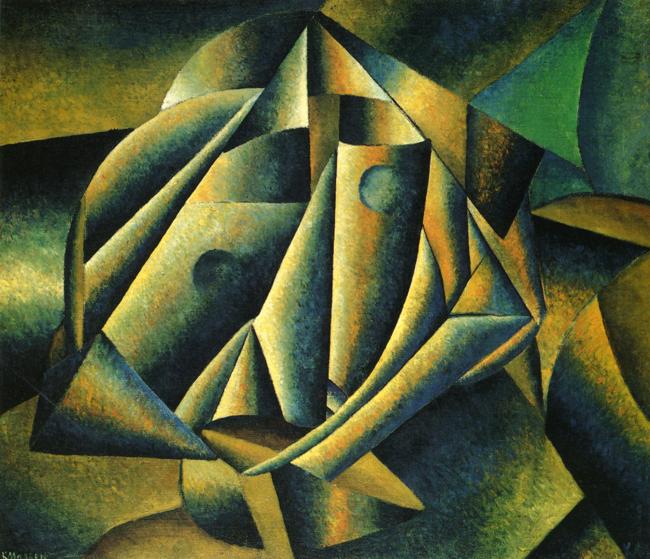
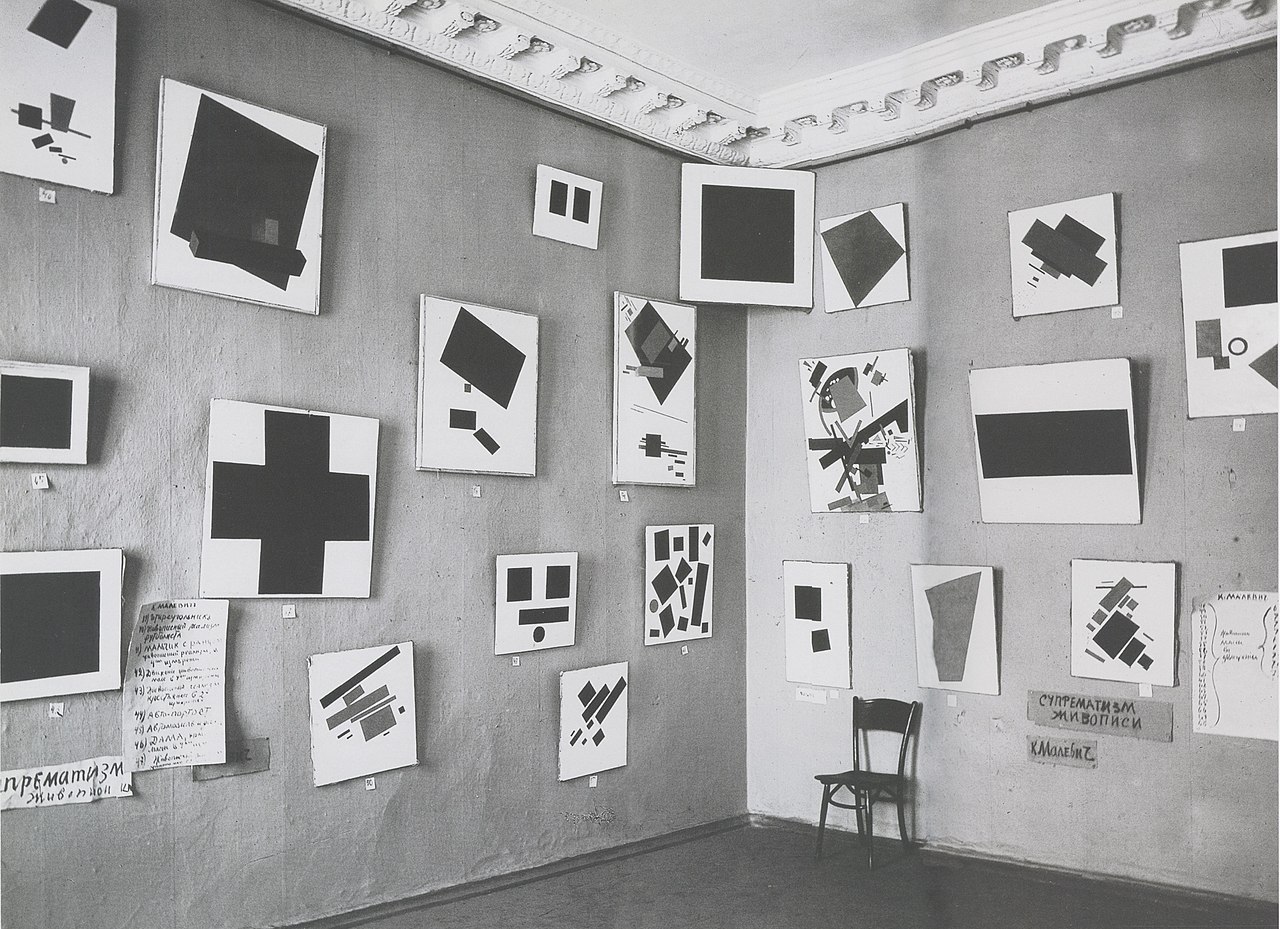
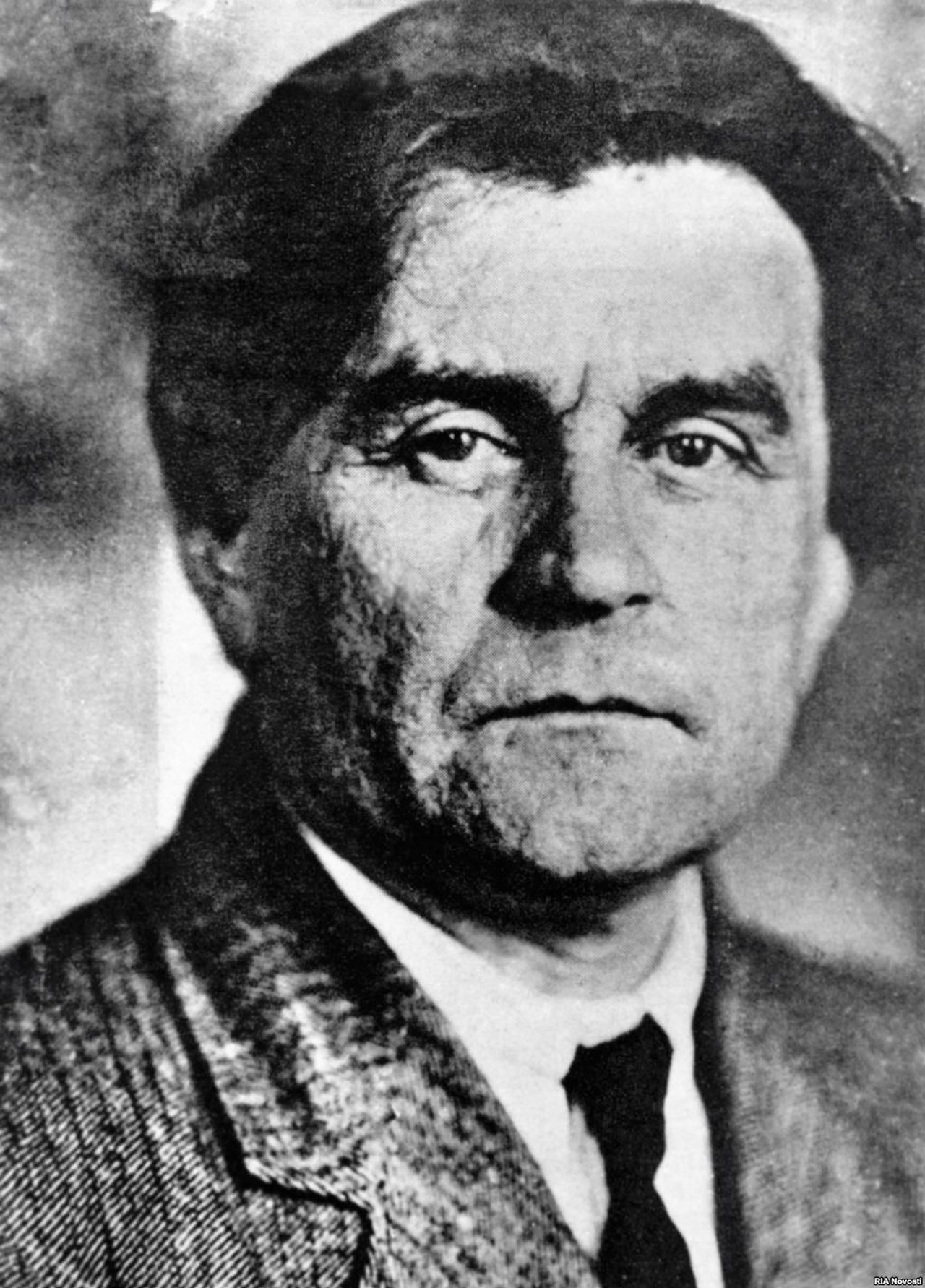


Artistic approach and defining works
Malevich argued for an art freed from representation, which he called Suprematism (Suprematism). Suprematist paintings emphasize basic geometric forms — squares, circles, crosses, and rectangles — and stark, often limited palettes. His most famous work, Black Square (painted around 1915), exemplifies this reduction to a single, flat form intended to evoke pure feeling rather than depict objects. Malevich's approach emphasized material flatness, pictorial tension, and the spiritual dimension of non-objective art.
Historical context and development
Malevich's ideas developed amid rapid artistic change across Europe. Russian artists absorbed influences from Cubism and Futurism — movements that were visible in Moscow exhibitions and performances. For example, an important 1913 exhibition in Moscow and the success of the Cubo-Futurist opera Victory Over the Sun helped circulate new visual ideas; Malevich contributed stage design to that production and showed works abroad, including at Paris salons. Critics often compare these exchanges with earlier shifts in France around artists such as Paul Cézanne, and many contemporaries adapted cubist principles to Russian concerns.
Teaching, groups, and collaboration
After 1917 Malevich was active as an educator and organizer. He worked with younger artists, led workshops, and participated in collectives that advocated new art. In several centers he guided groups that promoted non-objective practice, and his writings articulated a theoretical foundation for abstract composition. These activities helped move Suprematism beyond single pictures into applied design, stagecraft, and pedagogy.
Legacy, reception, and later life
During the 1920s and 1930s, changing Soviet cultural policies increasingly favored representational art, and Malevich experienced marginalization and restrictions. Nonetheless, his ideas had a major international impact on abstract art, influencing movements across Europe and later generations of abstract and minimalist artists. Museums and retrospectives have restored his reputation, and his writings and paintings continue to be studied for their formal clarity and philosophical ambition.
Key characteristics and notable facts
- Central doctrine: art should express pure feeling through basic geometric forms rather than imitate the visible world.
- Signature works include Black Square and other monochrome or reduced-shape compositions from the 1910s.
- Participated in major avant-garde events, including stage and exhibition collaborations; his work intersected with the Cubo-Futurist scene and other modernist currents.
- Remembered as both a practitioner and theoretician whose essays framed Suprematist aims for students and fellow artists.
For further reading on aspects of his life and work — biographical details, exhibition histories, and theoretical texts — see specialized catalogues and museum resources that document his role within the broader Russian avant-garde. Studies of contemporaries such as Aristarkh Lentulov and the influence of European developments provide useful context for understanding how modern art evolved in the early twentieth century. Malevich's career illustrates the tensions between radical experimentation and political change in the wake of the Partitions of Poland and the upheavals that shaped Eastern Europe in his lifetime. His work remains a touchstone for discussions of abstraction, reduction, and the purpose of art in society; key primary texts and pictorial examples are available in many collections and academic studies (painter, theoretician, influences, techniques, regional, ethnic, historical).
Questions and answers
Q: Who was Kazimir Malevich?
A: Kazimir Malevich was a Russian painter and art theoretician born in Ukraine to ethnic Polish parents.
Q: What was Malevich's contribution to art?
A: Malevich was a pioneer of geometric abstract art and the originator of the avant-garde Suprematism movement.
Q: Where did Malevich settle during the partitions of Poland?
A: Malevich settled near Kiev in Kiev Governorate of the Russian Empire during the partitions of Poland.
Q: Which exhibition influenced Malevich's work?
A: The exhibition of Aristarkh Lentulov's paintings in Moscow in March 1913 influenced Malevich's work.
Q: What was Malevich's stage-set for?
A: Malevich's stage-set was for the Cubo-Futurist opera Victory Over the Sun.
Q: When did Malevich exhibit his works in the Salon des Independants in Paris?
A: Malevich exhibited his works in the Salon des Independants in Paris in 1914.
Q: Who else absorbed the cubist principles after the exhibition of Aristarkh Lentulov's paintings in Moscow?
A: All the main Russian avant-garde artists of the time, including Malevich, absorbed the cubist principles after the exhibition of Aristarkh Lentulov's paintings in Moscow.
Related articles
Author
AlegsaOnline.com Kazimir Malevich: Pioneer of Suprematist Abstraction Leandro Alegsa
URL: https://en.alegsaonline.com/art/123462
Sources
- encyclopedia.com : Malevich, Kasimir — A Dictionary of Twentieth-Century Art
- encyclopedia.com : Casimir Malevich — The Columbia Encyclopedia, Sixth Edition
- en.uartlib.org : "Kazimir Malevich and Ukraine - Ukrainian Art Library"
- antykwariat.waw.pl : Malewicz w Warszawie: Rekonstrukcje i Symulacje
- dziennik.com : Walczą o polskość Malewicza (Advocating the Polishness of Malewicz)
- nytimes.com : Rare Glimpse of the Elusive Kazimir Malevich
- nytimes.com : "A Malevich and a Bronze by Brancusi Set Auction Highs for the Artists"