
Kakuei Tanaka (Japanese Prime Minister and political leader)
Japanese politician Kakuei Tanaka (1918–1993), premier from 1972–74, known for infrastructure-driven development, Sino-Japanese normalization, the Tanaka faction and a high-profile bribery scandal.
Kakuei Tanaka (1918–1993) was a major postwar Japanese political figure who served in the House of Representatives from 1947 until 1990 and was Prime Minister of Japan from 1972 to 1974. He combined a businessman’s background with an assertive populist style, building a strong electoral base and a powerful faction within the Liberal Democratic Party.
Image gallery
9 Images
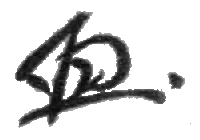


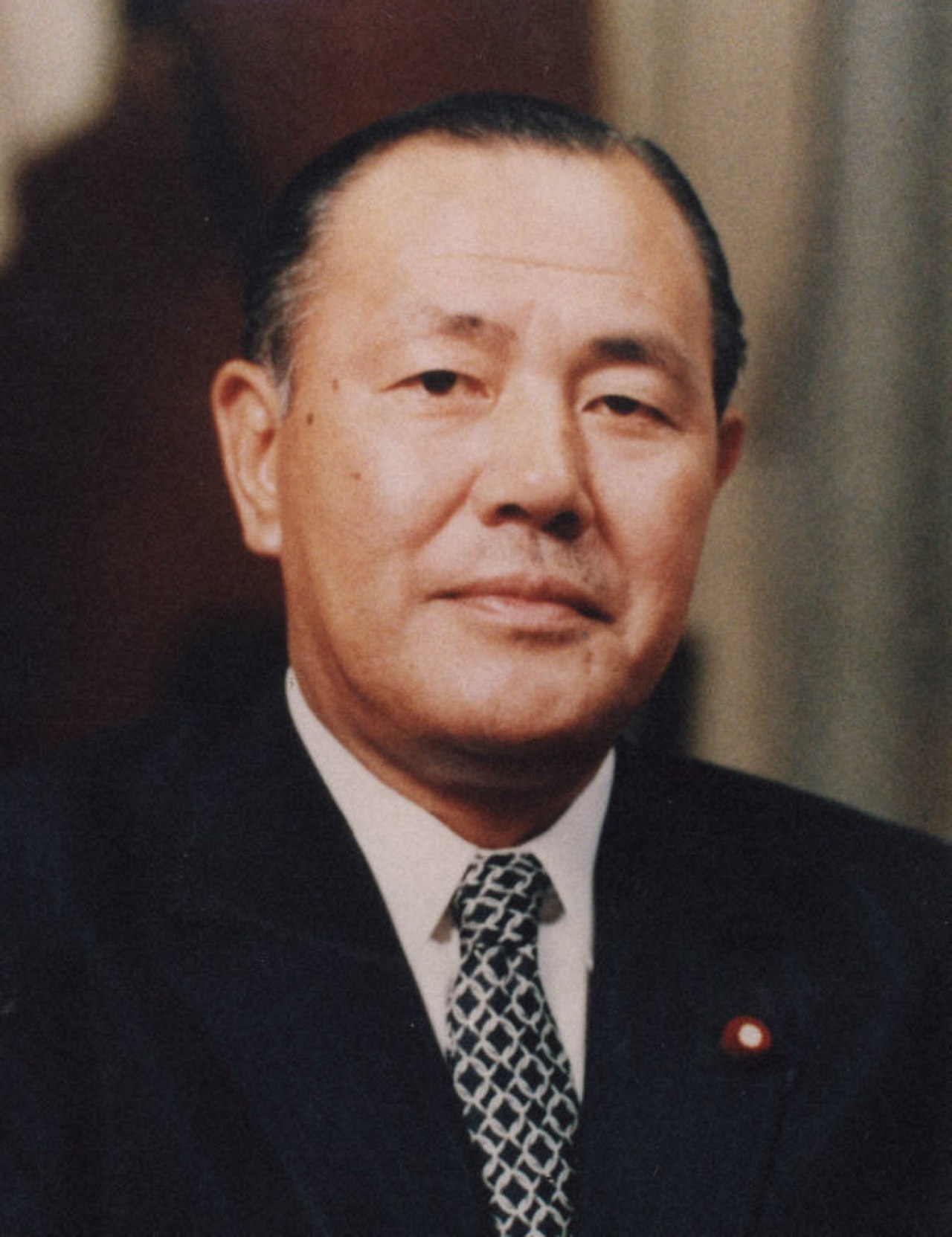

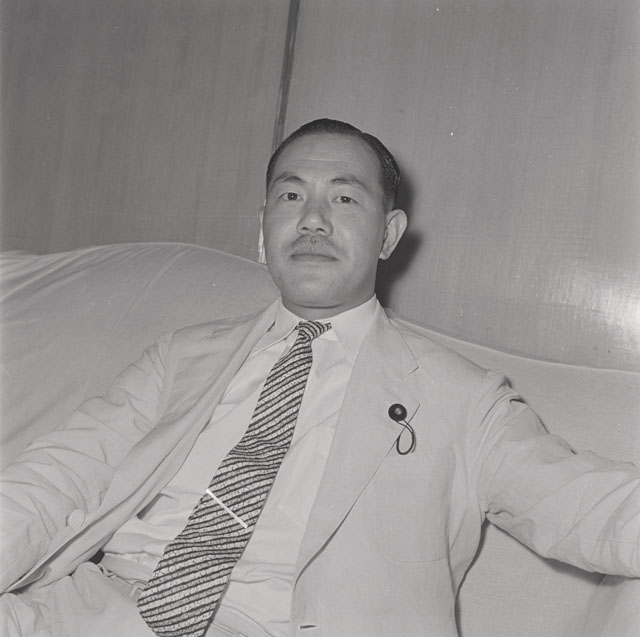

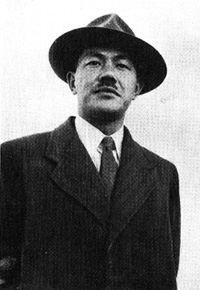
Overview
Tanaka is remembered for championing large-scale public works and regional development projects intended to spread economic growth beyond Tokyo. His administration pursued active fiscal stimulus through infrastructure investment and pursued a pragmatic foreign policy that included the normalization of relations with the People’s Republic of China in 1972.
Political career and policies
Rising from local politics to national leadership, Tanaka cultivated close ties with construction and regional interests and used patronage to strengthen his influence. His signature policy initiative, often called the "Plan for Remodeling the Japanese Archipelago," prioritized roads, bridges and urban renewal to reduce regional disparities.
Controversies and legal troubles
Tanaka’s style of “money politics” and close ties to business led to allegations of corruption. He was implicated in the international Lockheed bribery scandal, arrested on bribery-related charges in the 1970s, and later faced trial and convictions that were contested through appeals and prolonged litigation.
Legacy and notable facts
- Built one of the most influential intra-party blocs, often called the Tanaka faction, which shaped LDP leadership for decades.
- Seen as a master of constituency service and political patronage; critics accused him of encouraging clientelism and environmental harm from unchecked construction.
- Often described as a consummate power broker or “shadow shogun” for his behind-the-scenes influence even after leaving office.
Tanaka’s career highlights tensions in Japan’s postwar development: rapid modernization and infrastructure-led growth, alongside controversies over political finance and corruption. For further reading, see a general biographical overview and resources on his premiership and policies at additional references.
Questions and answers
Q: Who was Kakuei Tanaka?
A: Kakuei Tanaka was a Japanese politician.
Q: When did Kakuei Tanaka serve in the House of Representatives?
A: Kakuei Tanaka served in the House of Representatives from 1947 to 1990.
Q: When was Kakuei Tanaka born and when did he pass away?
A: Kakuei Tanaka was born on May 4, 1918, and passed away on December 16, 1993.
Q: What was the position of Kakuei Tanaka in the Japanese government?
A: Kakuei Tanaka was the Prime Minister of Japan from 1972 to 1974.
Q: How long did Kakuei Tanaka serve as the Prime Minister of Japan?
A: Kakuei Tanaka served as the Prime Minister of Japan for two years, from 1972 to 1974.
Q: What was special about Kakuei Tanaka's political career?
A: Kakuei Tanaka's political career was quite long as he served in the House of Representatives for 43 years.
Q: What were some of the achievements of Kakuei Tanaka?
A: There is no mention of any achievements of Kakuei Tanaka in the given text.
Related articles
Author
AlegsaOnline.com Kakuei Tanaka (Japanese Prime Minister and political leader) Leandro Alegsa
URL: https://en.alegsaonline.com/art/123246