
Juan Manuel Santos — Colombian president and Nobel Peace Prize laureate
Comprehensive overview of Juan Manuel Santos, Colombian president (2010–2018), leader of peace negotiations with FARC, Nobel Peace Prize winner and prominent figure in contemporary Colombian politics.
Overview
Juan Manuel Santos Calderón (born 10 August 1951) is a Colombian politician, journalist and statesman who served as President of Colombia from 7 August 2010 until 7 August 2018. He is best known internationally for leading negotiations with the Revolutionary Armed Forces of Colombia (FARC) that produced a 2016 peace agreement and for receiving the Nobel Peace Prize that same year. Santos came to the presidency after holding high-level public posts and positions in business and media.
Image gallery
6 Images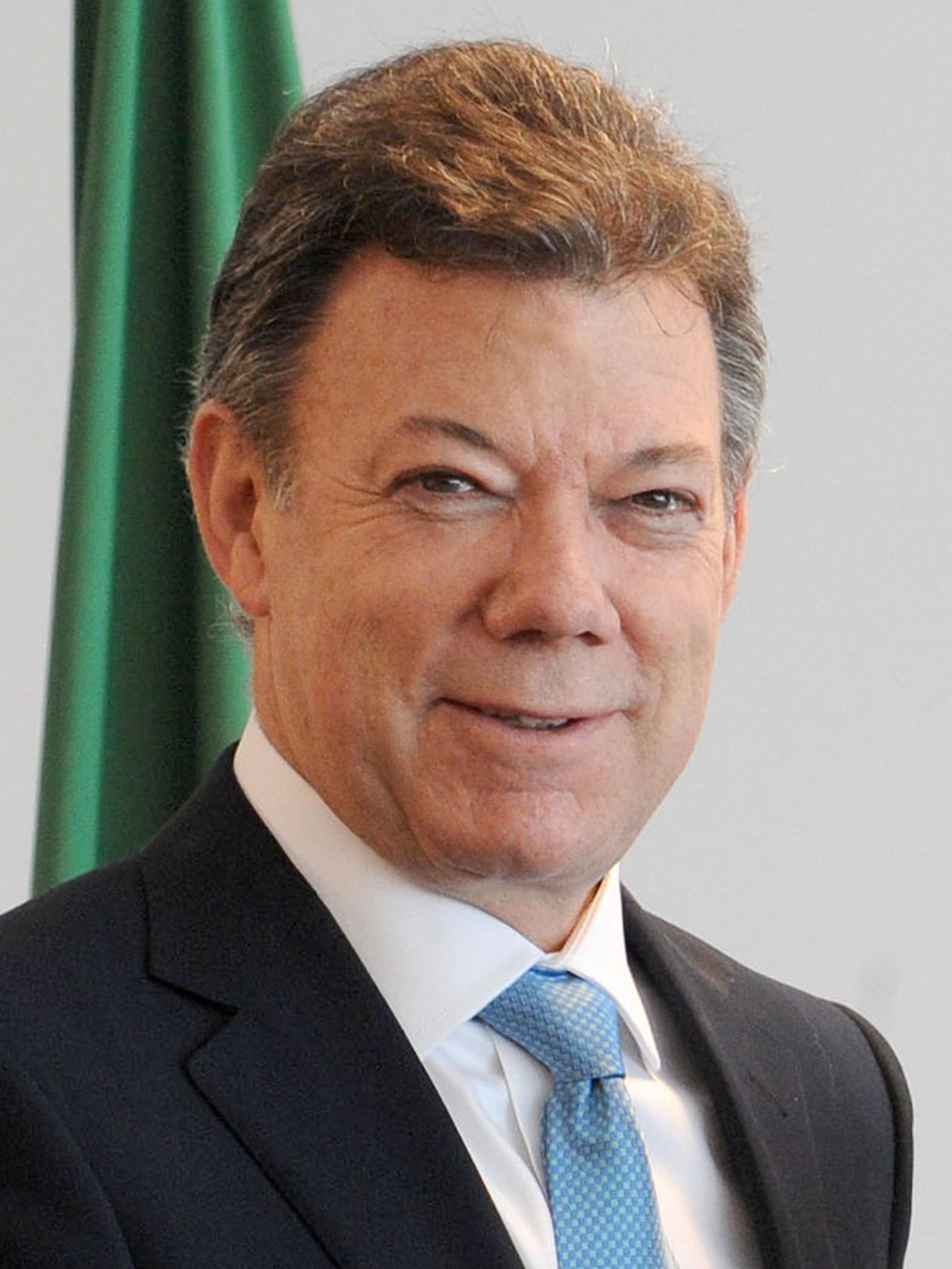


Early life and background
Santos was born into a prominent Colombian family known for its involvement in politics and publishing. He received part of his education abroad, including studies in the United States, and worked in journalism and private enterprise before entering government service. His professional experience, which combined business, media and public administration, contributed to his reputation as a pragmatic and technocratic manager. For more on his family and early career see biographical sources.
Political career and ministerial roles
Before winning the presidency, Santos held several senior positions in the Colombian government, including serving in the cabinet of his predecessor. He was defense minister during the administration of Álvaro Uribe, a role that raised his profile and associated him with national security policy, while he later distanced his platform from some aspects of his predecessor's style. Readers can consult a summary of his ministerial record at career overview. His time in government mixed continuity on security matters with an increasing emphasis on social programs and diplomacy.
Presidency and the peace process
As president, Santos promoted a diverse agenda that combined economic management, social policy initiatives and regional diplomacy. The defining element of his second term was the sustained effort to negotiate an end to the armed conflict with the FARC guerrillas. After years of talks, his administration and FARC negotiators reached an agreement in 2016. The initial accord encountered setbacks, including a narrow rejection in a public referendum, but was subsequently revised and implemented through national institutions. For details about the negotiations and official texts see peace documentation and contemporary reporting at news coverage.
Policies, reception and legacy
Santos articulated a program that emphasized national unity, social investment and restoring international ties with neighboring countries. Supporters credit him with a significant diplomatic achievement in advancing a negotiated settlement to a decades-long conflict and with policies aimed at poverty reduction and infrastructure. Critics argued that some parts of the peace settlement granted concessions that were too lenient and that security and justice challenges remained. His Nobel Peace Prize in 2016 recognized the effort to end hostilities, while debates about implementation and long-term effects continue in Colombia's political life. For commentary and analysis consult analytical pieces.
Timeline and notable facts
- Born 10 August 1951; raised in a politically influential family.
- Held ministerial and public roles including the defense portfolio prior to the presidency.
- Served as President of Colombia from 7 August 2010 to 7 August 2018.
- Presided over peace negotiations with the FARC, culminating in a 2016 agreement and awarding of the Nobel Peace Prize that year.
- Left office in 2018 and was succeeded by Iván Duque Márquez; see succession details.
Juan Manuel Santos remains a polarizing but central figure in recent Colombian history: admired by many for pursuing peace through dialogue, criticized by others for choices made during negotiation and implementation. His tenure illustrates the challenges of translating negotiated settlements into durable political and social change in a country with a long history of internal armed conflict.
Questions and answers
Q: Who replaced Juan Manuel Santos Calderón as President of Colombia?
A: Iván Duque Márquez replaced Juan Manuel Santos Calderón as President of Colombia.
Q: What did Juan Manuel Santos intend to focus on during his presidency?
A: During his presidency, Juan Manuel Santos intended to focus on the social needs of the country and improving relations with Colombia's neighbors.
Q: How old is Juan Manuel Santos?
A: Juan Manuel Santos is 65 years old.
Q: What family is he from?
A: He is from one of the most politically influential families in Colombia.
Q: Is he married and does he have children?
A: Yes, he is married to Maria and has three children.
Q: What was the main conflict that Juan Manuel Santos worked on during his presidency?
A: The main conflict that Juan Manuel Santos worked on during his presidency was trying to end the long-running conflict between the Colombian government and FARC militia which had been at war since the 1960s.
Q: Did he win a Nobel Peace Prize for his efforts in ending this conflict? A; Yes, in 2016, after a lot of negotiations, he announced a peace deal with FARC militia and was awarded the Nobel Peace Prize for it.
Related articles
Author
AlegsaOnline.com Juan Manuel Santos — Colombian president and Nobel Peace Prize laureate Leandro Alegsa
URL: https://en.alegsaonline.com/art/123044
Sources
- washingtonpost.com : "Juan Manuel Santos takes oath as Colombia's new president"
- archive.news.ku.edu : "Colombian president to visit KU Sept. 24"
- semana.com : "Historical Challenge"
- nobelprize.org : "The Nobel Peace Prize for 2016"