
Joshua Lederberg: Pioneer of Bacterial Genetics, AI, and Space Biology
American geneticist Joshua Lederberg (1925–2008) discovered bacterial gene exchange, won the 1958 Nobel Prize, and contributed to artificial intelligence and NASA life-detection efforts.
Overview
Joshua Lederberg was an American scientist whose work reshaped understanding of microbial heredity and influenced early artificial intelligence and space biology programs. He rose to prominence as a young researcher who demonstrated that bacteria can exchange genetic material, a finding that altered concepts of evolution, disease, and biotechnology. Lederberg received the Nobel Prize in Physiology or Medicine in 1958 at age 33, and later applied his biological expertise to computing and planetary science.
Image gallery
7 Images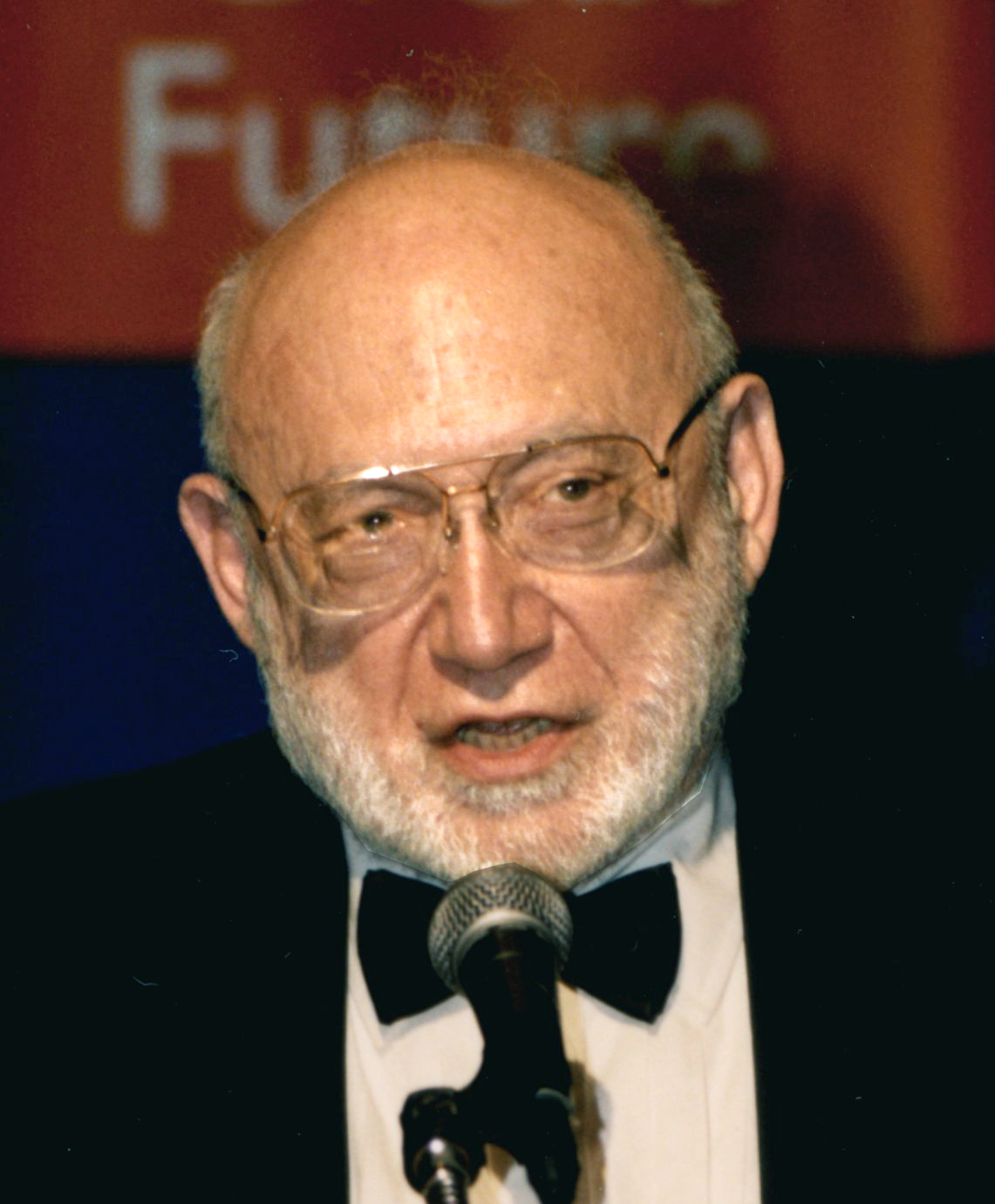


Scientific contributions
Lederberg's experimental work established that genetic recombination occurs among bacteria, showing mechanisms by which traits can move between cells. His investigations touched on bacterial conjugation and collaborative studies of transduction, clarifying how genes spread in microbial populations. These discoveries provided a foundation for molecular genetics, microbial genetics, and the emerging fields of genetic engineering and microbiome research.
Artificial intelligence and expert systems
Beyond laboratory genetics, Lederberg helped bridge biology and computation. He was involved in the development of DENDRAL, an early expert system designed to interpret mass spectrometry data and assist chemists in structural identification. That project illustrated how domain knowledge could be encoded to support scientific reasoning and inspired later bioinformatics tools and computational approaches in biology.
Space biology and policy
Lederberg advised on efforts to search for life beyond Earth and on how to protect planetary environments from contamination. He worked with NASA-related research programs exploring the possibilities of Martian life and the design of experiments that could detect biological signatures. His views influenced thinking about planetary protection and the responsibilities of space missions that handle biological materials.
History, honors, and influence
The Nobel Prize awarded in 1958 recognized Lederberg's role in revealing bacterial genetic exchange; that same award year honored Edward Tatum and George Beadle for work on fungal genetics. Over a long career, Lederberg held academic appointments, participated in national science advisory bodies, and received multiple honors that acknowledged both his laboratory discoveries and his interdisciplinary initiatives. He also engaged with ethical and societal implications of genetics and emerging technologies.
Further notes and resources
For readers seeking more context, the following short links point to topics associated with Lederberg's life and work: geneticist profile, biological research overview, transduction studies, bacterial genetics, artificial intelligence, space exploration programs, Edward Tatum, George Beadle, Neurospora genetics, fungal model systems, biology context, NASA collaborations, life-detection efforts, chemistry interfaces, DENDRAL project, and biographical background.
- Key topics: bacterial recombination, expert systems, planetary protection.
- Legacy: influence on genetics, computation in science, and space research policy.
Lederberg's career illustrates how a single scientist can span laboratory discovery and broader scientific infrastructure, moving from hands-on experiments to shaping tools and policies that guide research across disciplines.
Questions and answers
Q: Who was Joshua Lederberg?
A: Joshua Lederberg was an American geneticist known for his work on bacterial transduction, artificial intelligence, and space exploration.
Q: What did Joshua Lederberg win the Nobel Prize in Physiology or Medicine for?
A: Joshua Lederberg won the 1958 Nobel Prize in Physiology or Medicine for discovering that bacteria can mate and exchange genes.
Q: Who did Joshua Lederberg share the Nobel Prize with?
A: Joshua Lederberg shared his Nobel Prize with Edward Tatum and George Beadle who won for their work on the genetics of the fungus Neurospora.
Q: What other areas of research did Joshua Lederberg work in besides biology?
A: Besides biology, Joshua Lederberg did extensive research in artificial intelligence. This included work in the NASA experimental programs seeking life on Mars and the chemistry expert system Dendral.
Q: How old was Joshua Lederberg when he won the Nobel Prize?
A: Joshua Lederberg was just 33 years old when he won the Nobel Prize in Physiology or Medicine.
Q: What was Joshua Lederberg's ethnic background?
A: Joshua Lederberg was of Jewish descent.
Q: What significant contribution did Joshua Lederberg make to science?
A: Joshua Lederberg's discovery that bacteria can mate and exchange genes was a significant contribution to science.
Related articles
Author
AlegsaOnline.com Joshua Lederberg: Pioneer of Bacterial Genetics, AI, and Space Biology Leandro Alegsa
URL: https://en.alegsaonline.com/art/122959
Sources
- newswire.rockefeller.edu : Joshua Lederberg, Rockefeller University's fifth president, dies at 82