
Joseph Hewes: Merchant, North Carolina Patriot and Signer of the Declaration
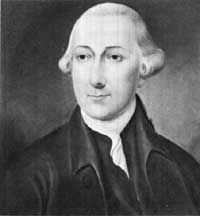
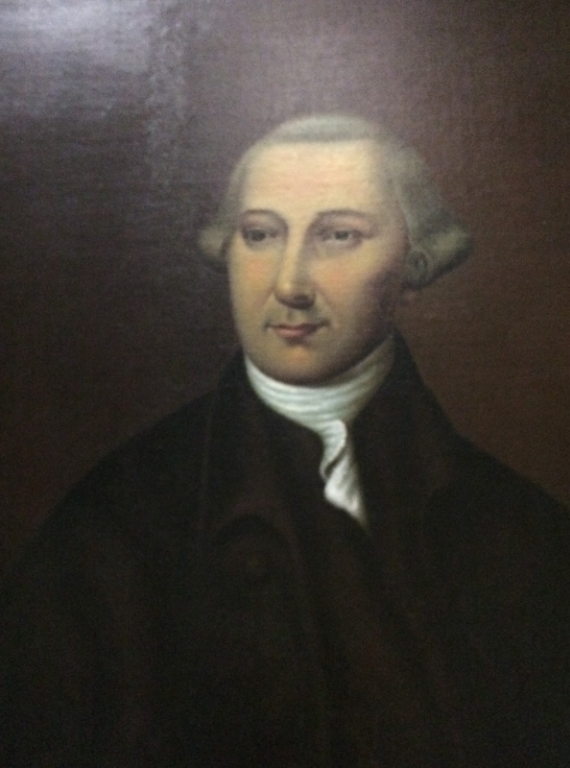
Joseph Hewes (1730–1779), a Princeton-educated merchant who settled in Edenton, North Carolina, represented his state in the Continental Congress, signed the Declaration of Independence, and helped organize naval supplies.
Overview
Joseph Hewes (January 23, 1730 – November 10, 1779) was a merchant, colonial politician and one of North Carolina's three signers of the Declaration of Independence. Born near Princeton in what is now New Jersey, he received a classical education at the college later known as Princeton University. After completing a commercial apprenticeship with a local merchant, Hewes established himself in Atlantic trade and developed a reputation for probity and sound business judgment that would shape his public career and influence his work for the revolutionary cause.
Image gallery
4 Images

Early life and education
Hewes was raised in a family associated with the Society of Friends, but his professional path was mercantile rather than clerical. The education he received in New Jersey provided him with the classical and practical knowledge prized by colonial merchants. His apprenticeship taught ship outfitting, credit practices, and the organization of long-distance trade. That background gave Hewes both the means and the credibility to settle permanently in the South and take part in provincial government.
Commercial career and move to North Carolina
In his thirties Hewes moved to Edenton, where he married into local society and became a leading merchant and landowner. His firm conduct and business success won him civic trust and allowed him to play a prominent role in town and county affairs. The personal reputation he created through commerce helped secure electoral support when he entered politics in his adopted state of North Carolina.
Provincial politics
Shortly after arriving in North Carolina Hewes was elected to serve in the colonial assembly and later in the provincial legislature. He is recorded as having been elected to the North Carolina legislature in the 1760s and he took a seat in successive sessions, becoming an articulate advocate for measures that protected colonial commercial interests. Hewes's legislative service (North Carolina legislature) gave him a platform to press for coordination among the southern colonies and to promote measured responses to British policy.
Continental Congress and naval work
In the 1770s Hewes was chosen to represent North Carolina in the Continental Congress. In Congress he worked with North Carolina colleagues including William Hooper and John Penn, and aligned with delegates across the continent who moved the colonies toward independence, including voices from Massachusetts. Hewes drew on his commercial experience in committee work: he was active on committees concerned with procurement, naval affairs and supply, helping to establish procedures for outfitting vessels, contracting for goods, and organizing the flow of materiel essential to sustaining the revolutionary effort.
Signer of the Declaration and later years
Hewes signed the Declaration of Independence as a representative of North Carolina in 1776. During the war years he continued to serve in Congress, where his practical knowledge of maritime commerce and credit proved especially valuable. He advocated administrative solutions to problems of naval provisioning and transport, and he helped shape early American efforts to create a naval force and to supply the Continental armies.
Death and legacy
Joseph Hewes died in office in 1779. Historians remember him as a businessman who translated commercial skills into public administration during a formative period in American history. His work on naval and supply committees contributed to the organizational foundations on which the Revolutionary cause depended. As one of North Carolina's signers, Hewes stands among the generation of colonial leaders who combined private enterprise and public service to create a new nation.
- Born: January 23, 1730, near Princeton
- Education: studied at Princeton University
- Career: merchant and ship outfitter; prominent in Edenton trade
- Political roles: member of the North Carolina legislature; delegate to the Continental Congress
- Associates: William Hooper, John Penn; worked alongside delegates from Massachusetts and other provinces
For more detailed study consult provincial records, Continental Congress committee minutes and specialist biographies that examine Hewes's committee reports and correspondence. Primary sources shed light on how merchant networks, credit arrangements and naval logistics influenced the politics and administration of the Revolution; secondary studies place Hewes among the merchants-turned-statesmen who shaped the wartime republic and the administrative practices that followed.
Questions and answers
Q: Where was Joseph Hewes born?
A: Joseph Hewes was born in Princeton, New Jersey.
Q: What religion were his parents?
A: His parents were part of the Quaker Society of Friends.
Q: What university did he attend?
A: He attended Princeton University.
Q: How old was he when he moved to Edenton, North Carolina?
A: He moved to Edenton, North Carolina at the age of 30.
Q: When was he elected to the North Carolina legislature?
A: He was elected to the North Carolina legislature in 1763.
Q: How many times was he re-elected to the legislature?
A: He was re-elected many times to the legislature.
Q: What job did Hewes focus on after being re-elected multiple times?
A: After being re-elected multiple times, Hewes focused on a new and more ambitious job as a Continental Congressman.
Related articles
Author
AlegsaOnline.com Joseph Hewes: Merchant, North Carolina Patriot and Signer of the Declaration Leandro Alegsa
URL: https://en.alegsaonline.com/art/122920