
José Mujica
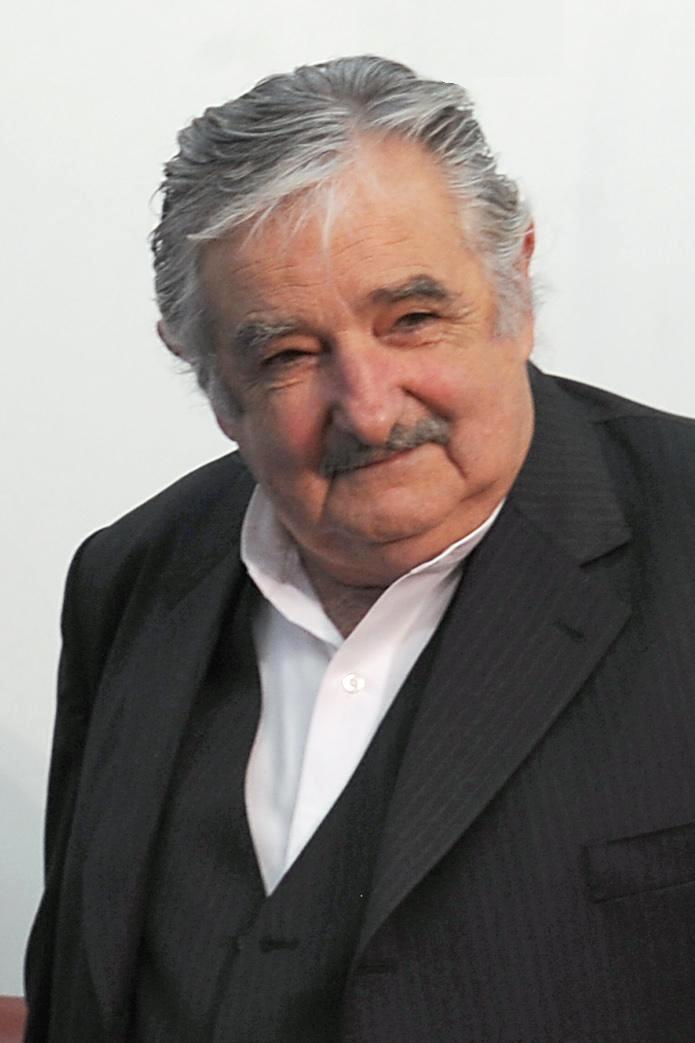
José 'Pepe' Mujica (born 1935) is a Uruguayan politician and former guerrilla who served as President (2010–2015). He is noted for an austere lifestyle, donating most of his salary and advancing progressive reforms.
Overview
José Alberto "Pepe" Mujica Cordano (born 20 May 1935) is an Uruguayan politician and public figure who served as President of Uruguay from 2010 to 2015. Celebrated internationally for his plain living, direct manner and outspoken views on consumption and equality, Mujica became a symbol of political humility while leading a left-leaning government that pursued social reform.
Image gallery
10 Images


Early life and militancy
Mujica was raised in a rural family and later became involved in urban activism. In the 1960s and 1970s he was a member and leader of the Tupamaros, an urban guerrilla organization that sought social and political change through direct action. Arrested during the era of the civic-military dictatorship, he spent many years in prison under harsh conditions. He was released after democracy was restored in the mid-1980s and subsequently entered formal politics.
Political career and presidency
After returning to public life Mujica joined the Broad Front (Frente Amplio) coalition and the Movement of Popular Participation. He held legislative posts and a ministerial position before winning the presidency in 2009. His administration emphasized social inclusion, poverty reduction and institutional reforms. Notable measures under his government included legislation to regulate and control the production and sale of cannabis and the legalization of same-sex marriage, both landmark steps in regional social policy.
Personal style and legacy
Mujica became widely known as the "world's poorest president" because he maintained a modest lifestyle: he lived on a small farm, drove an old Volkswagen Beetle and donated a large portion of his official salary to charities and grassroots projects. After leaving office he returned to legislative duties and continued to speak publicly on topics such as environmental limits, simple living and civic responsibility.
Notable facts
- Nickname: "Pepe" — a common familiar form of José in Spanish-speaking countries.
- Background: former guerrilla leader who later embraced parliamentary politics.
- Reputation: admired internationally for austerity and plainspoken ethics as much as for policy achievements.
Mujica's combination of radical past, pragmatic governance and personal austerity has made him a distinctive figure in contemporary Latin American politics and a frequent subject of commentary on leadership and values in public life.
Questions and answers
Q: Who is José Mujica?
A: José Mujica is an Uruguayan politician who served as President of Uruguay from 2010 to 2015.
Q: When did José Mujica take office as President of Uruguay?
A: José Mujica took office as President of Uruguay on 1 March 2010.
Q: Why is José Mujica called "the world's 'poorest' president"?
A: José Mujica is called "the world's 'poorest' president" because he donates around 90 percent of his $12,000 monthly salary to charities to help poor people and small entrepreneurs.
Q: What did José Mujica do during his presidency?
A: The text does not provide specific details about what José Mujica did during his presidency.
Q: What kind of charities does José Mujica donate to?
A: The text does not provide specific details about the kind of charities that José Mujica donates to.
Q: What is the monthly salary of José Mujica?
A: The monthly salary of José Mujica is $12,000.
Q: How much of his monthly salary does José Mujica donate to charities?
A: José Mujica donates around 90 percent of his $12,000 monthly salary to charities to help poor people and small entrepreneurs.
Related articles
Author
AlegsaOnline.com José Mujica Leandro Alegsa
URL: https://en.alegsaonline.com/art/122872
Sources
- bbc.co.uk : "Jose Mujica: The World's 'Poorest' President"
- diariolarepublica.net : Mujica paseará por Muxika, la tierra de sus antepasados
- diariolarepublica.net : Mujica recibió las llaves de la ciudad de Muxika